Learn how to manage detox anxiety with compassionate, clinically supported care, grounding skills, and a personalized plan for safer early recovery today.

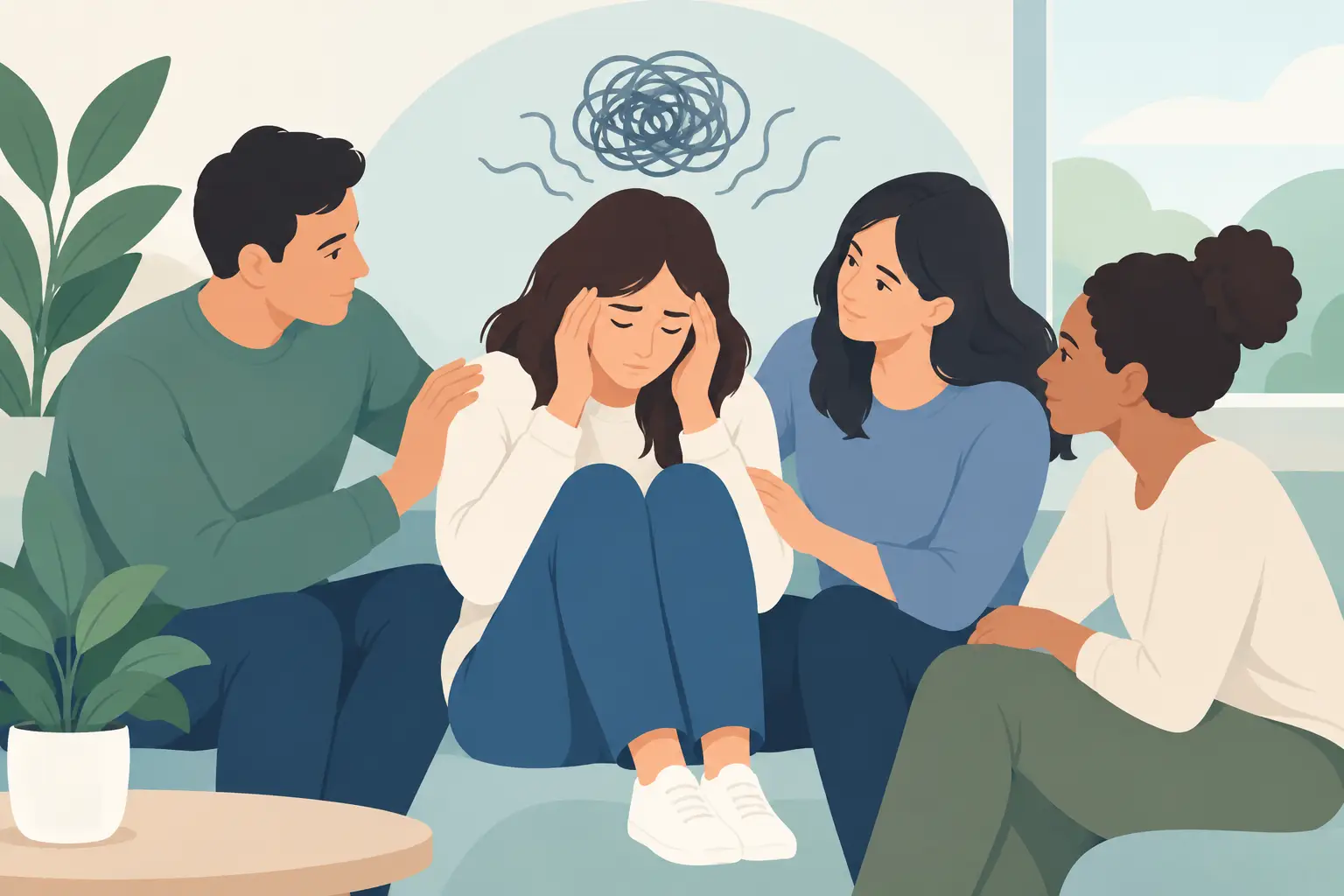
The first hours without alcohol or drugs can make ordinary sensations feel alarming: a racing heart, restless thoughts, trembling hands, or a powerful fear that something is wrong. Learning how to manage detox anxiety begins with recognizing that anxiety can be part of withdrawal, but it should never be something you are expected to face alone. With professional assessment, compassionate support, and a structured environment, it is possible to move through this difficult stage with greater safety and dignity.
Why Detox Can Make Anxiety Feel So Intense
Substances can change the way the brain and body regulate stress, sleep, mood, and physical comfort. When those substances are reduced or stopped, the nervous system may temporarily become overactive. Anxiety can appear as racing thoughts, panic, irritability, trouble sleeping, sweating, nausea, muscle tension, or a strong urge to use again just to feel relief.
For some people, detox anxiety is primarily linked to withdrawal. For others, it brings forward an anxiety disorder, depression, trauma, grief, or the realities that substance use may have helped them avoid. Often, it is a combination. There is no shame in this response. It is a sign that the body and mind need skilled care, patience, and stabilization.
The intensity and medical risk of withdrawal depend on the substance used, how much and how often it was used, other medications, physical health, and past withdrawal experiences. Alcohol, benzodiazepines, and some other substances can cause severe or potentially life-threatening withdrawal symptoms. Opioid withdrawal may be profoundly distressing and can increase the risk of relapse or overdose if a person returns to use after their tolerance has changed.
How to Manage Detox Anxiety Safely
The most effective approach is not to simply push through anxiety. It is to create enough safety around the person that their nervous system can begin to settle. For many adults, that means clinically managed detoxification rather than attempting to stop at home.
Start with a professional assessment
A clinical team can evaluate withdrawal risk, mental health symptoms, medical history, medications, and immediate safety needs. This assessment helps determine the right level of care and whether medication may help reduce withdrawal symptoms, cravings, or anxiety. Medication decisions should be made by qualified medical professionals who understand detox, not through self-treatment or borrowed prescriptions.
Structured detox also provides regular monitoring. If symptoms change, care can change with them. That responsiveness matters when anxiety overlaps with dehydration, sleep deprivation, panic, or more serious withdrawal complications.
Tell the team exactly what you are feeling
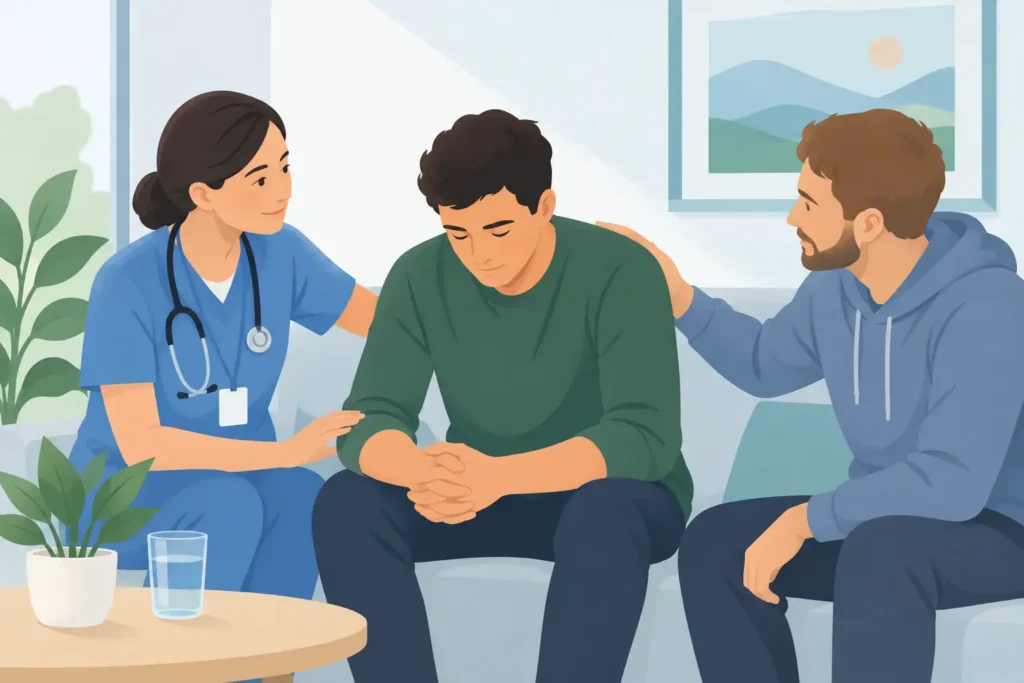
Anxiety often grows in silence. Let staff know if you are having panic symptoms, frightening thoughts, intense cravings, nightmares, trouble sleeping, or fears about your health. Be honest about what and when you last used, even if it feels uncomfortable. Accurate information allows the care team to protect you and tailor your treatment plan.
If you are a family member, encourage honesty without interrogation or judgment. Simple words such as, “You do not have to handle this by yourself,” can make it easier for someone to accept help.
Use grounding skills for the present moment
Grounding will not erase withdrawal, but it can reduce the spiral that occurs when the mind interprets every sensation as danger. The goal is not to force calm. The goal is to return attention to what is happening right now, one moment at a time.
Try slowing your exhale by breathing in gently and breathing out a little longer. Notice five things you can see, four things you can physically feel, and three things you can hear. Hold a cool washcloth, sit with both feet on the floor, or name the date and where you are. These small actions give the brain signals of orientation and safety.
It also helps to keep expectations realistic. During acute detox, “I need to feel perfectly calm” can become another source of pressure. A more useful goal may be, “I can get through the next ten minutes without using.” That is meaningful progress.
Support the body without overcomplicating it
Withdrawal can disrupt appetite, sleep, hydration, and energy. Gentle nourishment, fluids when medically appropriate, rest, and a quieter setting can all support stabilization. Chef-prepared meals, comfortable accommodations, and wellness practices are not luxuries when someone is detoxing. They can help restore routines that substance use and anxiety have interrupted.
Avoid relying on caffeine, energy drinks, nicotine increases, or unapproved supplements to get through detox anxiety. These may worsen jitteriness, interfere with sleep, or complicate clinical care. Ask the treatment team before adding anything new.
Accept support before cravings make the decision
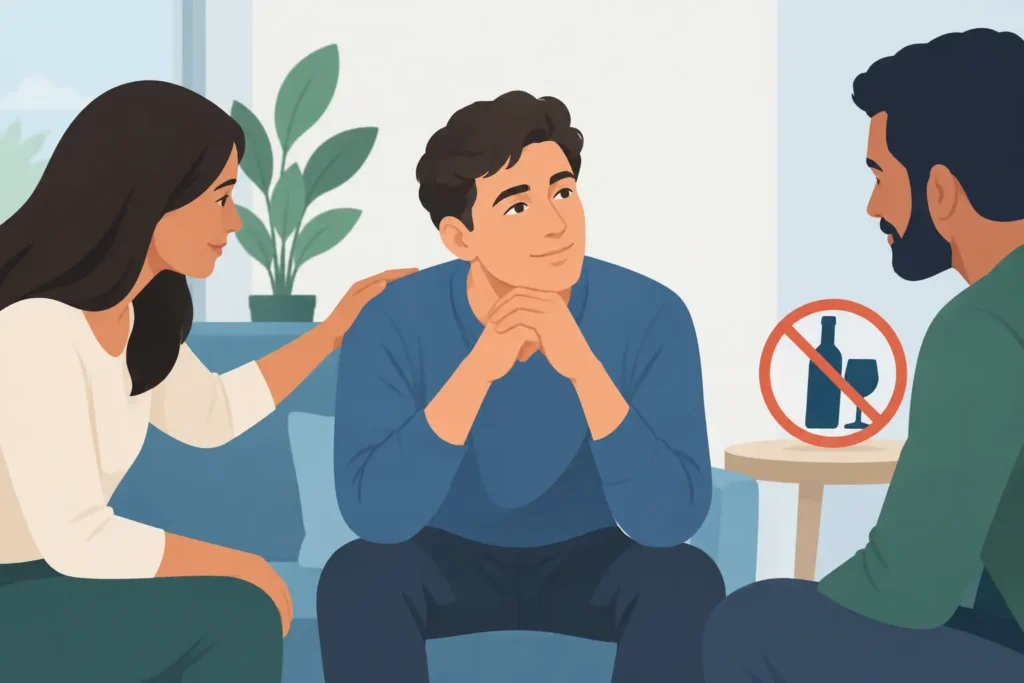
Anxiety and cravings can reinforce one another. A person feels anxious, remembers that a substance once brought temporary relief, and begins to believe using is the only way to make the feeling stop. This is where connection is protective.
In a residential setting, clients can speak with clinicians, attend groups, connect with peers, and practice recovery tools before a craving becomes a relapse. Individual therapy can help identify the thoughts driving fear. Group therapy reminds people that they are not uniquely broken or alone. A 12-step-based recovery approach can offer structure, accountability, and a path toward purpose beyond immediate discomfort.
What Loved Ones Can Do During Detox Anxiety
Families often feel helpless when someone they care about is frightened, uncomfortable, or asking to leave treatment. Compassion does not mean agreeing with every anxious impulse. It means staying calm, listening, and encouraging the next safe step.
Avoid arguing about whether the anxiety is “real.” It is real to the person experiencing it. Instead, validate the feeling while supporting professional care: “I hear that you are scared. Let’s tell your treatment team so they can help.” Try not to promise that detox will be easy or that the person will never feel anxious again. Recovery is more honest and more hopeful when it is approached one day at a time.
Family therapy can also help loved ones understand addiction, boundaries, communication, and the role they can play after treatment. Lasting transformation is more likely when recovery is supported at home as well as in treatment.
When Detox Anxiety Needs Urgent Medical Attention
Do not assume severe symptoms are only anxiety. Seek immediate medical help for seizures, hallucinations, confusion, fainting, chest pain, severe vomiting, difficulty breathing, extreme agitation, or thoughts of self-harm or suicide. Call 911 or seek emergency care if there is immediate danger.
It is also wise to seek urgent professional guidance if a person is withdrawing from heavy alcohol use or benzodiazepines, has a history of complicated withdrawal or seizures, is pregnant, has significant medical conditions, or is using multiple substances. Detox is not a test of willpower. Clinical support can help prevent avoidable suffering and serious complications.
Detox Is the Beginning of Care, Not the Finish Line
As the most acute withdrawal symptoms ease, anxiety may still need attention. This does not mean treatment has failed. It means the work is becoming clearer. Ongoing therapy, psychiatric support when appropriate, recovery meetings, healthy routines, family involvement, and a thoughtful aftercare plan can help people respond to anxiety without returning to substances.
At Harlow Gardens, individualized residential care is designed to support the physical, emotional, and spiritual dimensions of early recovery in a private, compassionate setting. Detox can be uncomfortable, but no one has to face it without support, structure, and a plan for what comes next.
If anxiety is making it hard to stop using or stay in treatment, reaching out now can be the most courageous next step. Relief may not arrive all at once, but with the right care, each safe hour can become the foundation for a more stable and purposeful life.
Book a Consultation
It’s easy and free!