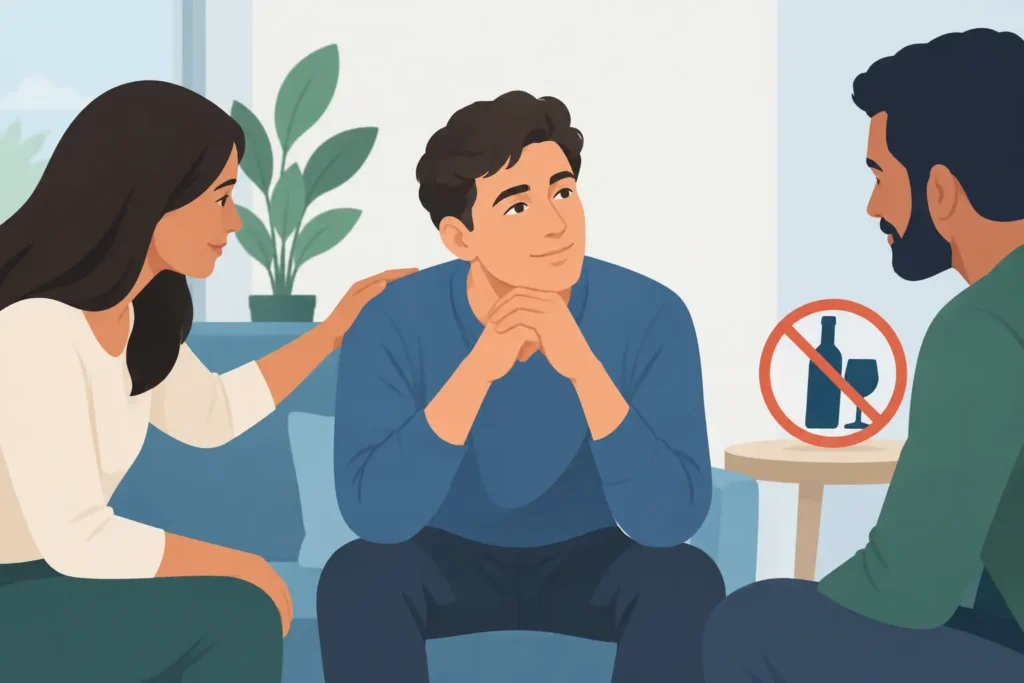
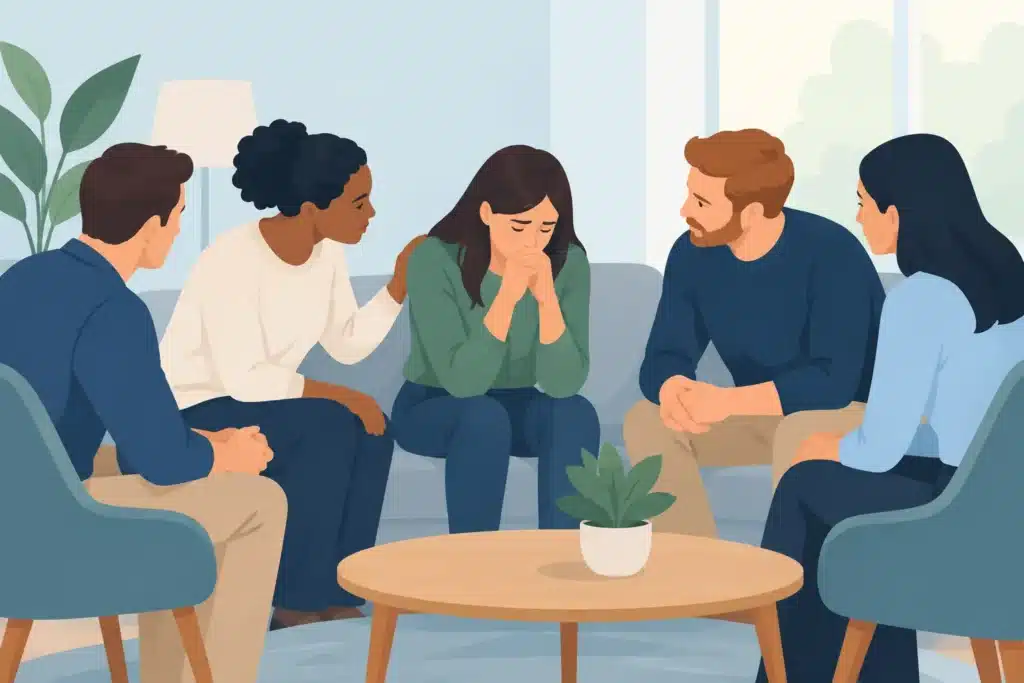
Drug detox is a first step toward recovery. Learn why medically supported, personalized care protects comfort, safety, and a lasting path forward safely.

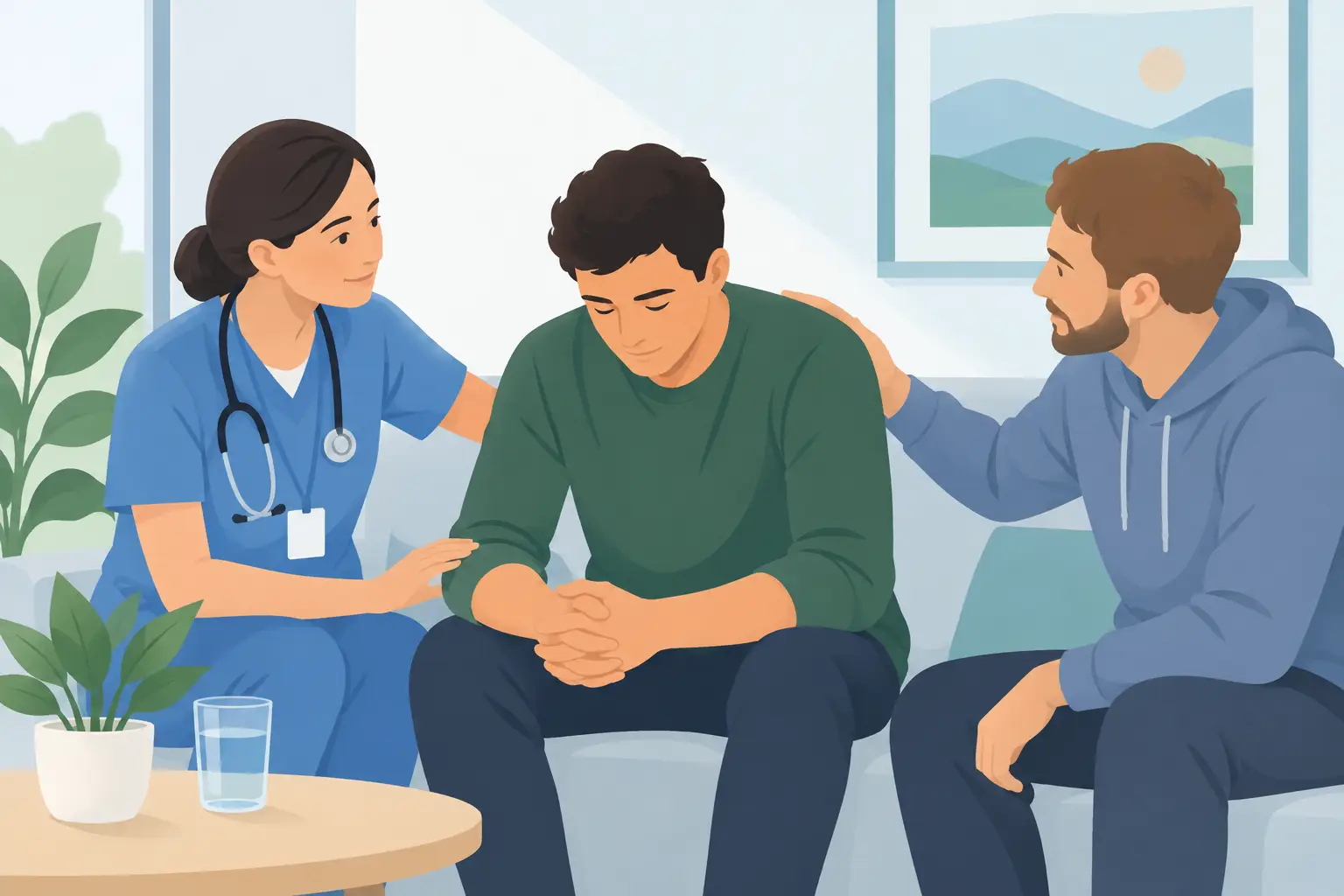
The decision to stop using drugs can arrive in a quiet moment of clarity or after a frightening crisis. Either way, drug detox is not simply a matter of willpower or getting through a few difficult days. For many people, it is a medical and emotional turning point that deserves compassionate, structured support.
Withdrawal can affect the body, mood, thinking, sleep, and sense of safety. The right setting helps a person stabilize with dignity while experienced professionals monitor their needs, respond to discomfort, and begin building a foundation for the work ahead.
What drug detox is – and what it is not
Drug detox is the process of allowing substances to leave the body while addressing withdrawal symptoms and immediate health concerns. Depending on the substance, the amount used, the length of use, a person’s physical health, and co-occurring mental health needs, withdrawal may range from uncomfortable to medically serious.
Detox is often the first phase of addiction treatment, but it is not treatment in its entirety. Clearing drugs from the body does not automatically resolve cravings, trauma, depression, anxiety, relationship strain, or the patterns that made substance use feel necessary. Lasting transformation usually requires continued clinical care, community, and a practical plan for life after treatment.
That distinction matters for families as much as for the person seeking help. A loved one may seem physically better after withdrawal has eased, yet still be vulnerable to relapse without ongoing support. Detox creates the space to think clearly and engage in recovery. It is the beginning of the path, not the finish line.
Why medically supported detox matters
Trying to detox alone can be unpredictable. Some withdrawal symptoms are intensely uncomfortable, including nausea, sweating, insomnia, agitation, muscle aches, anxiety, and strong cravings. Others can require urgent medical attention. Alcohol, benzodiazepines, and certain sedatives are especially associated with potentially dangerous withdrawal complications, though risks vary widely from person to person.
A medically and clinically supervised setting provides assessment before and during detox. Care teams can consider substance-use history, current medications, medical conditions, mental health symptoms, prior withdrawal experiences, and the possibility of multiple substances being involved. This information guides an individualized care plan rather than a one-size-fits-all approach.
When appropriate, providers may use medications to support comfort, reduce specific symptoms, or help manage cravings. Monitoring also allows the treatment team to recognize changes early and adjust care as needed. The purpose is not to make withdrawal painless or to rush someone through it. It is to help them move through an inherently challenging process as safely and humanely as possible.
If someone is experiencing seizures, hallucinations, severe confusion, chest pain, trouble breathing, loss of consciousness, suicidal thoughts, or behavior that may cause harm, call 911 or seek emergency medical care immediately. These symptoms should never be managed at home.
The first days: a focus on stabilization and dignity
Admission to a residential detox program usually begins with a comprehensive evaluation. This is a chance to speak honestly about drug use, alcohol use, medications, physical health, emotional distress, and previous attempts to stop. Honest answers help the care team protect safety and make recommendations that fit the individual.
The first few days may include medical observation, rest, nourishment, hydration, and support for sleep and withdrawal symptoms. For someone who has been living with chaos, poor sleep, isolation, or fear, a calm environment can be deeply restorative. Privacy and comfort are not luxuries in this stage. They can help a person feel secure enough to accept care.
Emotional support matters just as much. People often enter detox carrying shame, grief, anger, or uncertainty about what comes next. They may fear disappointing their family again, losing work, facing legal or financial consequences, or living without the substance they have come to depend on. A compassionate treatment environment meets those fears with accountability and respect, not judgment.
What affects the drug detox timeline?
There is no universal detox schedule. Withdrawal may begin within hours of last use for some substances, while symptoms for others emerge later or continue longer. The most intense physical symptoms may pass in several days, but sleep disruption, low mood, anxiety, fatigue, and cravings can linger well beyond the acute phase.
The timeline depends on the drug involved, whether more than one substance is being used, frequency and duration of use, dosage, metabolism, overall health, age, and prior withdrawal history. Mental health conditions can also complicate the experience. Someone with panic symptoms, depression, post-traumatic stress, or bipolar disorder may need coordinated behavioral health support throughout the process.
This is why comparing one person’s detox experience to another’s can be unhelpful. Recovery is personal. The meaningful question is not whether a person is progressing on someone else’s timetable, but whether their needs are being recognized and addressed with appropriate care.
Detox should lead into a larger recovery plan
Once acute withdrawal begins to stabilize, the deeper work of recovery can begin. Residential rehabilitation offers time and structure to understand the function substances have served in a person’s life. For some, drugs have been a way to manage anxiety, numb emotional pain, cope with trauma, or escape loneliness. Treatment helps identify those patterns and develop healthier responses.
A comprehensive program may include individual therapy, group therapy, family involvement, psychiatric support when indicated, wellness programming, and a 12-step-based recovery philosophy. Evidence-based care and peer connection can work together. Therapy provides insight and skills, while community helps people practice honesty, accountability, and belonging.
Family therapy can be particularly valuable when loved ones have been affected by substance use. It creates a supported space to address communication, boundaries, trust, and realistic expectations. Families do not need to have all the answers before treatment begins. They need accurate information, guidance, and support of their own.
At Harlow Gardens, detox and residential care are designed to honor the whole person – physical, emotional, and spiritual. In a private Palm Springs setting, clients can begin recovery with personalized clinical support, nourishing meals, wellness practices, and a community centered on resilience and purpose.
Planning for life after residential treatment
Leaving a protected treatment setting can feel hopeful and intimidating at the same time. The transition deserves careful attention. A meaningful aftercare plan considers where a person will live, who they can call, how they will continue therapy or recovery meetings, what triggers they may face, and what to do if cravings or emotional distress return.
Continuing care might include outpatient treatment, medication management, individual counseling, alumni support, family sessions, sober living, or regular 12-step participation. The right combination depends on the individual. Someone returning to a high-stress home or workplace may benefit from more structure, while another person may need focused support around mental health, relationships, or relapse prevention.
A relapse does not mean recovery is impossible, but it should be taken seriously. It can signal that the recovery plan needs more support, greater honesty, or a different level of care. Reaching out early is an act of strength. The goal is not perfection. It is to keep choosing safety, connection, and meaningful change.
Taking the next step
If you are considering drug detox for yourself, you do not have to wait until every consequence becomes more severe. If you are researching for someone you love, you do not need to carry the responsibility alone. Asking for help is a practical decision that can protect health, restore dignity, and create room for a different future.
A confidential admissions conversation can help clarify the appropriate level of care, discuss insurance options, and determine whether residential treatment is the right next step. Recovery often begins before a person feels fully ready – with one honest call, one safe place, and one decision to accept support.
Book a Consultation
It’s easy and free!