Learn alcohol dependence signs, when drinking becomes a medical concern, and how compassionate, personalized treatment can help recovery begin safely.

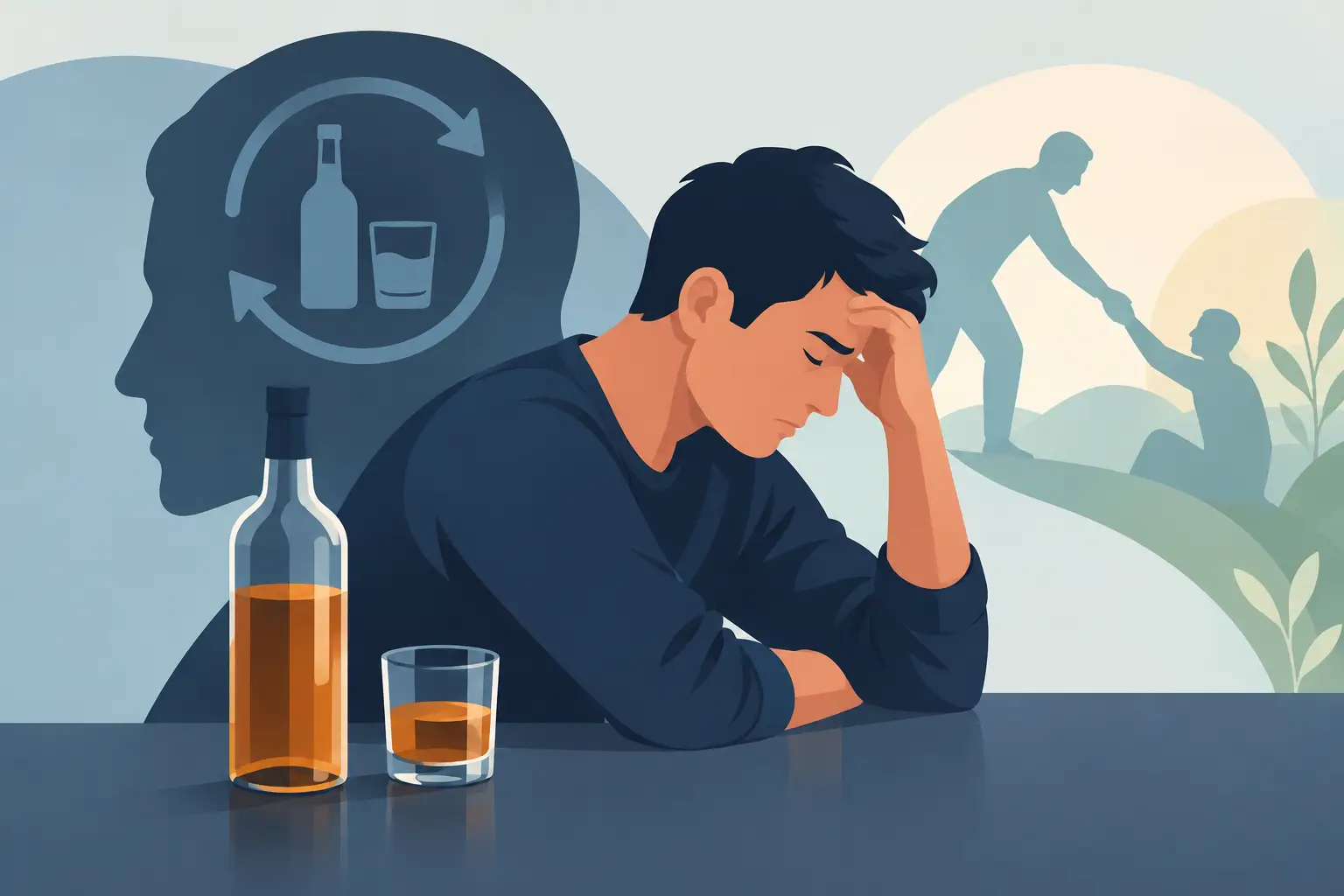
A person can be successful at work, present for family dinners, and still be quietly losing control of their drinking. Alcohol dependence signs do not always look like a dramatic crisis. More often, they appear as a growing pattern of physical discomfort, broken promises, emotional strain, and a life that becomes organized around alcohol.
Recognizing that pattern is not about labeling someone or assigning blame. It is a chance to respond with compassion, honesty, and appropriate clinical support before alcohol causes further harm. Recovery is possible, and asking for help can be a powerful act of resilience.
What alcohol dependence can look like
Alcohol dependence, often diagnosed as part of alcohol use disorder, develops when drinking becomes difficult to control despite clear consequences. It is not defined only by how often someone drinks or whether they drink every day. The central question is whether alcohol has begun to take more from a person than it gives.
Someone may drink heavily on weekends and struggle with dependence. Another person may have a few drinks each evening but find they cannot sleep, relax, socialize, or get through the day without them. Tolerance, health conditions, mental health needs, medications, and past substance use all affect how alcohol impacts an individual.
Dependence is not a character flaw. Alcohol changes the brain‘s reward, stress, and decision-making systems over time. That is why willpower alone may not be enough, particularly when withdrawal symptoms or co-occurring anxiety, depression, trauma, or other behavioral health concerns are present.
Common alcohol dependence signs
No single sign confirms dependence, and only a qualified clinician can provide a diagnosis. Still, certain changes deserve careful attention, especially when several occur together or become more severe over time.
Drinking more or longer than intended
A person may plan to have one or two drinks and repeatedly continue until they are intoxicated. They may set rules such as only drinking after work or only drinking on weekends, then find themselves breaking those rules. Attempts to cut down can lead to intense cravings, irritability, or a quick return to prior drinking patterns.
Needing alcohol to feel normal
Tolerance is a common warning sign. A person may need more alcohol than before to feel relaxed, numb, confident, or intoxicated. They may also begin drinking earlier in the day, drinking alone, hiding alcohol, or keeping alcohol nearby to prevent discomfort.
When alcohol becomes necessary to feel emotionally steady or physically functional, it may be time for a professional assessment.
Withdrawal symptoms when alcohol wears off
Withdrawal can begin within hours after a person reduces or stops drinking. Symptoms can include shakiness, sweating, nausea, headache, trouble sleeping, anxiety, agitation, or a racing heart. Some people drink again not because they want to celebrate or unwind, but because they want those symptoms to stop.
Alcohol withdrawal can be medically dangerous for people with significant or long-term alcohol use. Severe symptoms may include confusion, hallucinations, seizures, fever, or severe tremors. These symptoms require immediate medical attention. Do not encourage a person who may be physically dependent on alcohol to quit suddenly without medical guidance.
Increasing consequences at home, work, or school
Alcohol dependence can quietly erode reliability. A person may miss work, arrive late, have declining performance, or make mistakes they would not normally make. At home, they may withdraw from loved ones, become defensive when drinking is mentioned, or repeatedly fail to follow through on commitments.
Financial stress, legal problems, risky driving, arguments, injuries, and neglected responsibilities can also signal that alcohol has begun to take priority over safety and stability.
Giving up what once mattered
Hobbies, friendships, exercise, family time, and goals can become less important when drinking takes up more space. Some people avoid events where alcohol is unavailable or leave early to drink. Others isolate because they feel ashamed, exhausted, or afraid someone will notice how much they are consuming.
This loss of connection can be especially painful. It also reinforces dependence, because isolation often makes alcohol feel like the only available source of relief.
Continuing to drink despite harm
Many people recognize that alcohol is hurting their sleep, mood, relationships, physical health, or ability to manage anxiety. Yet they keep drinking because stopping feels overwhelming or impossible. This is one of the clearest alcohol dependence signs: continuing alcohol use even when the cost is becoming impossible to ignore.
When drinking and mental health become intertwined
Alcohol can temporarily dull anxiety, grief, loneliness, trauma symptoms, or depression. The relief may feel real in the moment, but alcohol often intensifies these concerns afterward. Sleep becomes less restorative, mood becomes more unpredictable, and the next day can bring shame or anxiety that fuels further drinking.
For this reason, effective treatment does more than remove alcohol. It helps a person understand the role alcohol has been playing in their life and develop healthier ways to manage distress. Individual therapy, group support, family involvement, psychiatric care when appropriate, wellness practices, and peer connection can all be part of a personalized recovery plan.
A person does not have to wait until they have lost everything to seek care. Early support may prevent further medical, relational, and emotional consequences. For someone whose drinking has already become severe, comprehensive treatment can provide the structure and dignity needed to begin again.
How to talk to someone you are worried about
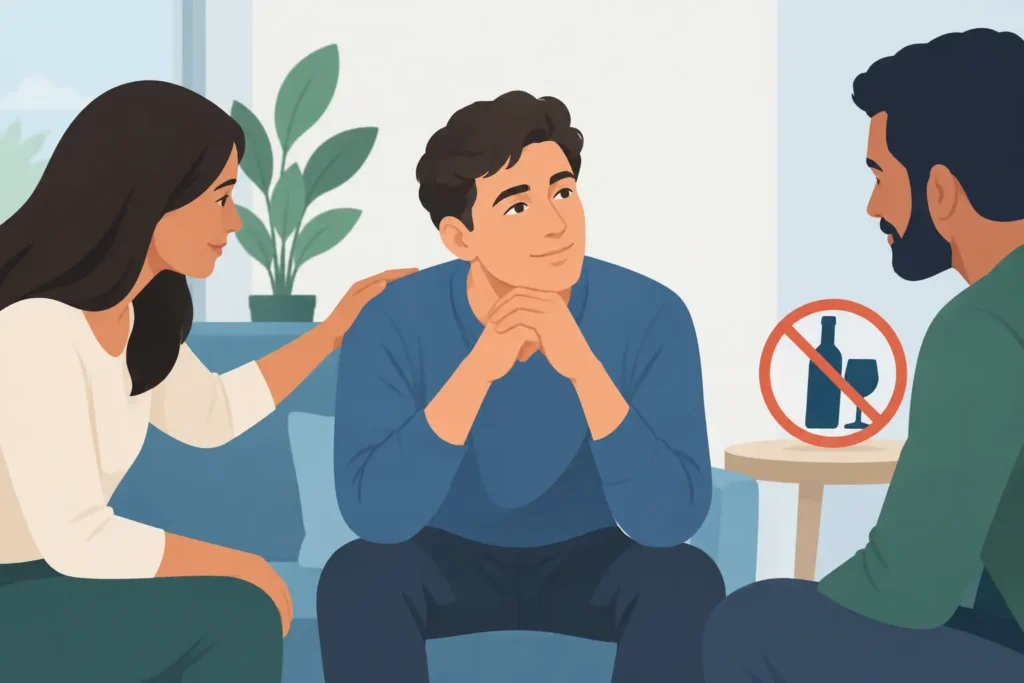
Conversations about alcohol are rarely easy. Timing and tone matter. Choose a private moment when the person is sober and relatively calm. Speak from what you have observed rather than making accusations. For example: “I have noticed you seem sick in the mornings and have been missing work. I am worried about you, and I want to help you find support.”
Avoid debating whether they are “really” an alcoholic. That question can become a distraction from what is happening. Focus instead on the impact of drinking and the support available now. It is also wise to set clear boundaries around unsafe behavior, financial requests, driving while intoxicated, or alcohol use around children.
Loved ones cannot force lasting recovery, but they can offer a steady, nonjudgmental invitation to treatment. Family therapy and education can help relatives communicate more effectively while protecting their own well-being.
What safe treatment may involve
The right level of care depends on a person’s alcohol use, withdrawal risk, mental and physical health, living environment, and previous treatment history. A clinical assessment can clarify whether clinically managed detoxification is needed before residential or outpatient care.
Detox is not the same as recovery. It is the first stage of stabilization, where clinical staff can monitor withdrawal symptoms and help a person become physically safe. After detox, residential treatment can offer a protected environment away from daily triggers, with structured days, evidence-based therapies, recovery education, and compassionate accountability.
At Harlow Gardens, individualized residential care addresses the physical, emotional, and spiritual dimensions of addiction. Clients can receive support through clinical programming, group and family therapy, 12-step-based recovery principles, wellness activities, and aftercare planning designed to support lasting transformation after treatment ends.
Comfort and privacy matter, but they are not substitutes for clinical care. The most meaningful treatment experience pairs a calm, respectful setting with experienced addiction-treatment leadership, a clear care plan, and support that continues beyond discharge.
Taking the next step without shame
If alcohol dependence signs are affecting you or someone you love, a confidential conversation with an admissions or clinical professional can bring clarity. Asking about treatment does not commit anyone to a particular program. It creates space to understand withdrawal risk, insurance options, and what level of care may be appropriate.
If someone is experiencing severe withdrawal symptoms, has had a seizure, is confused or hallucinating, has threatened self-harm, or is in immediate danger, call 911 or seek emergency medical care right away.
Recovery often begins before a person feels fully ready. It begins when someone chooses to believe that their health, relationships, purpose, and dignity are worth protecting – and allows compassionate support to meet them there.
Book a Consultation
It’s easy and free!