Learn how to manage detox withdrawal safely with personalized clinical care, comfort-focused support, and a clear path into lasting recovery right now.

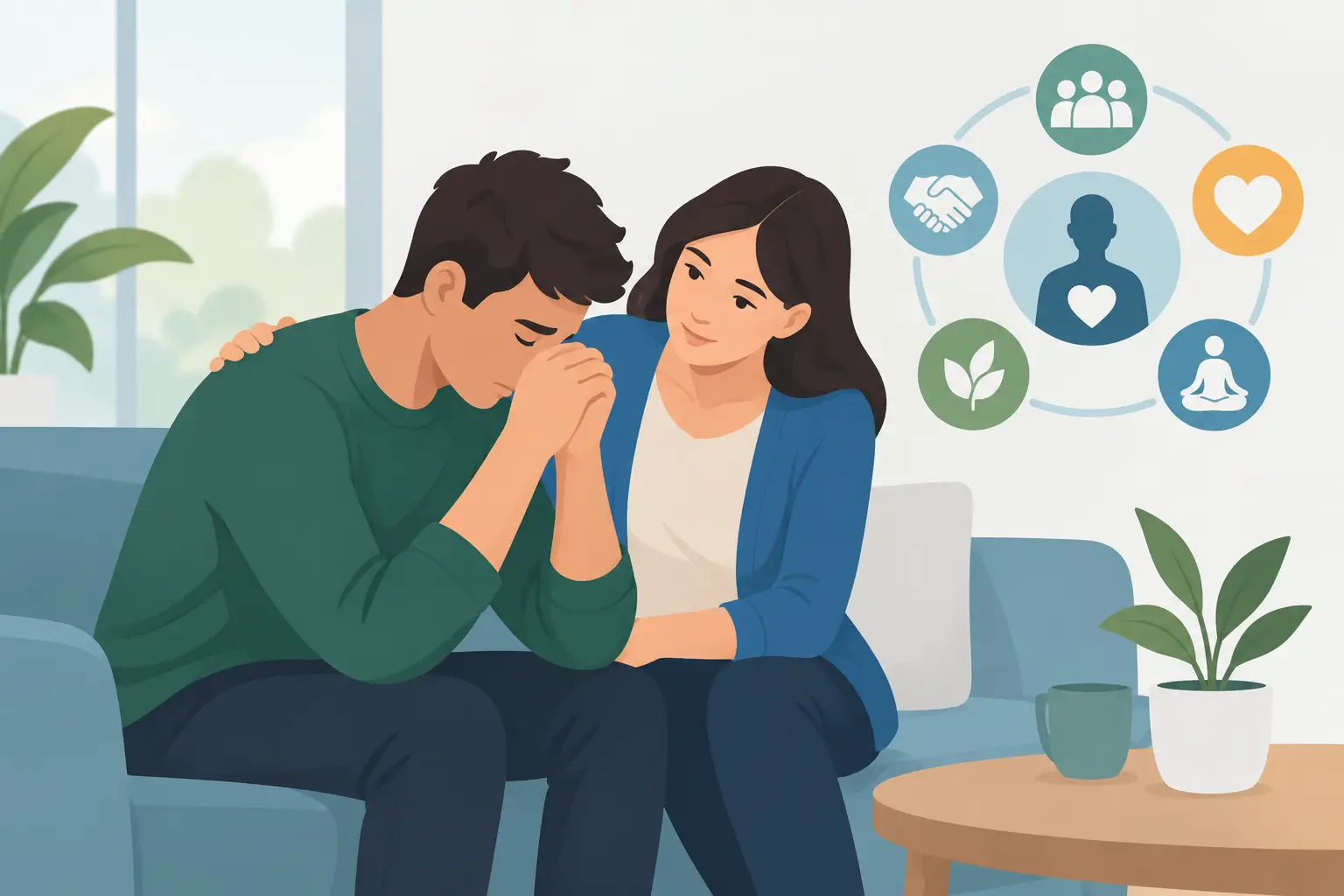
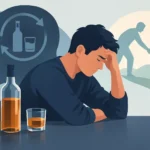
Withdrawal is not a test of willpower. When alcohol or drugs leave the body after regular use, the nervous system can react with symptoms that range from deeply uncomfortable to life-threatening. The safest way to manage detox withdrawal is with professional assessment, compassionate monitoring, and a plan that responds to the substance involved and the person’s individual health needs.
For many people, the hardest part is taking the first step: admitting that stopping alone may not be safe. That decision is not a failure. It is an act of courage, dignity, and self-protection. Detoxification can create the physical stability needed to begin meaningful treatment, but it should never be treated as the whole recovery process.
Why Detox Withdrawal Needs Individualized Care
Withdrawal does not follow one predictable path. Its timing and intensity can depend on the substance used, how often it was used, the amount used, a person’s age, medical history, mental health, and whether multiple substances are involved. Someone withdrawing from alcohol may face very different risks than someone withdrawing from opioids, benzodiazepines, stimulants, or prescription medications.
Alcohol and benzodiazepine withdrawal can be medically dangerous. Severe symptoms may include seizures, confusion, hallucinations, dangerously high blood pressure, or delirium. These risks are why people who have been drinking heavily, using benzodiazepines regularly, or who have experienced serious withdrawal before should not try to stop abruptly without medical guidance.
Opioid withdrawal is often intensely distressing, even when it is not typically life-threatening on its own. Nausea, vomiting, diarrhea, sweating, body aches, anxiety, insomnia, and powerful cravings can lead someone back to use. After even a short period without opioids, tolerance can drop, which increases overdose risk if a person returns to their previous amount. Clinical support helps reduce discomfort and creates a safer bridge into ongoing care.
Stimulant withdrawal may bring exhaustion, depression, disrupted sleep, agitation, and suicidal thoughts. Cannabis and other substances can also cause symptoms that deserve attention, particularly when they occur alongside anxiety, depression, trauma, or other behavioral health concerns. A comprehensive assessment looks at the whole person rather than treating withdrawal as an isolated event.
How to Manage Detox Withdrawal Safely
A safe detox begins with an honest clinical assessment. This includes discussing what substances have been used, when they were last used, prior withdrawal experiences, current medications, physical health conditions, and mental health symptoms. With this information, experienced treatment professionals can determine the appropriate level of care and monitor for complications.
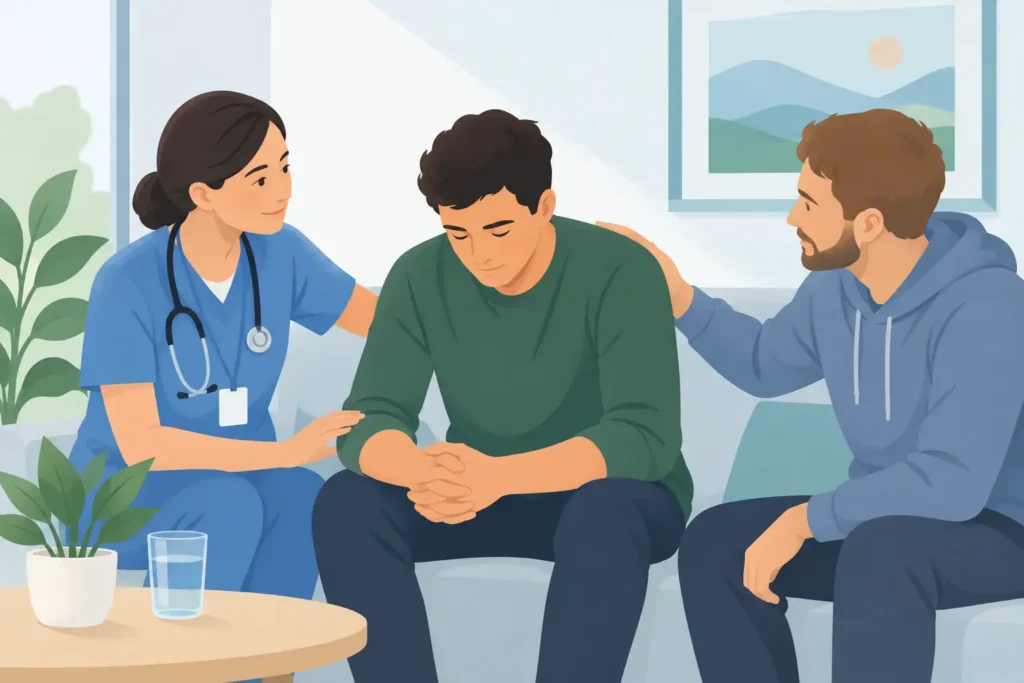
In a clinically supported setting, the care team provides continuous presence, emotional support, and wellness monitoring. When medication may be appropriate to ease symptoms, support sleep, or help manage cravings, the team coordinates care with licensed medical providers. The goal is not simply to make someone comfortable. It is to support safety, stabilize the body, and give the person enough clarity to engage in the next phase of recovery.
Monitoring also matters. Withdrawal symptoms can change quickly, especially during the first several days. Regular observation allows staff to identify worsening symptoms early and adjust care as needed. This structure can be a profound relief for someone who has been trying to hold everything together alone.
Comfort-focused care has a real role as well. Rest, hydration, nourishing meals, a calm environment, and emotional reassurance can support the body as it recovers. These measures are not substitutes for medical care when medical care is needed, but they help people feel seen and supported during a physically demanding time.
Signs That Require Immediate Help
Call 911 or seek emergency medical care immediately if someone has a seizure, loses consciousness, has severe confusion, hallucinations, chest pain, trouble breathing, a very high fever, persistent vomiting, or thoughts of suicide or self-harm. Do not leave the person alone while waiting for help.
It is also wise to seek urgent professional guidance before stopping alcohol or benzodiazepines if there has been daily or heavy use, a past seizure, delirium, serious medical illness, pregnancy, or use of several substances at once. Families do not need to determine the level of risk by themselves. An admissions or clinical team can help assess what is needed and coordinate an appropriate next step.
What Loved Ones Can Do During Withdrawal
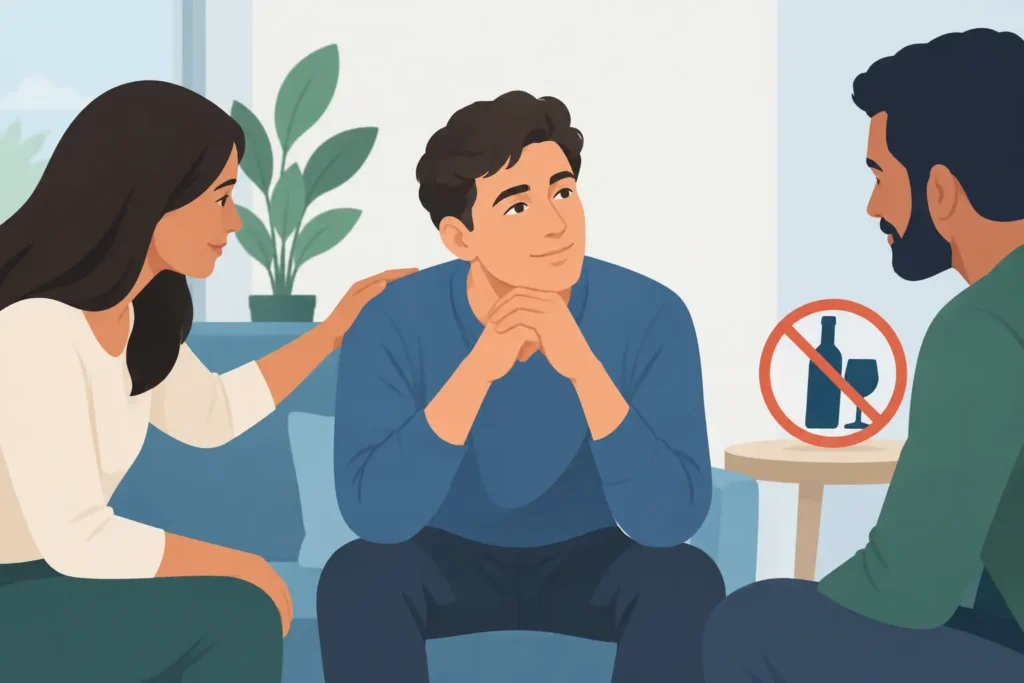
Families often want to help but may feel frightened, frustrated, or unsure what to say. The most helpful approach combines compassion with clear boundaries. Speak calmly, focus on immediate safety, and avoid arguing about the past while someone is in acute withdrawal. If there are signs of medical danger, call for help rather than trying to manage the crisis at home.
Practical support can include helping arrange an assessment, providing accurate information to the treatment team, securing transportation, and removing access to alcohol, drugs, or unsafe medications when appropriate. Loved ones should also understand that promises made in the distress of withdrawal may change once cravings or discomfort return. A structured treatment plan offers more protection than relying on determination alone.
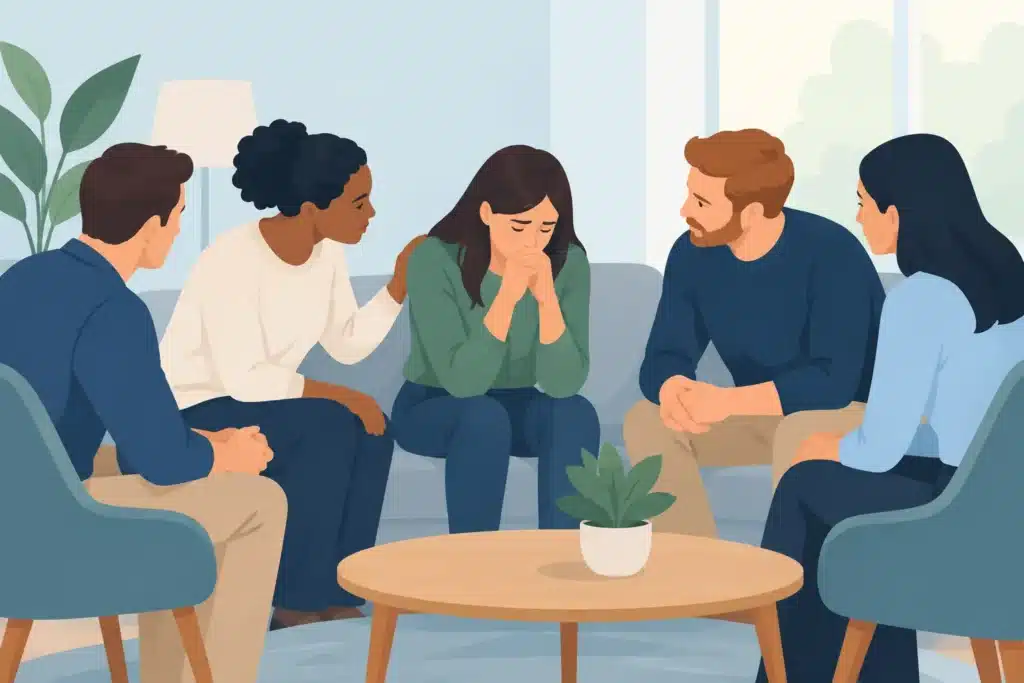
Family participation can be especially valuable after stabilization. Addiction affects relationships, communication, trust, and daily routines. Family therapy and education give loved ones a place to learn about addiction, establish healthier boundaries, and participate in recovery without taking responsibility for another person’s choices.
Detox Is the Beginning, Not the Finish Line
Detox clears substances from the body, but it does not automatically resolve the reasons substance use became necessary or difficult to stop. Without continued care, people can return to familiar patterns when stress, grief, conflict, mental health symptoms, or cravings reappear.
Residential treatment offers time and distance from the environments that may reinforce use. It also provides a consistent daily structure, individual therapy, group connection, behavioral health support, wellness programming, and recovery education. For many people, this is where the deeper work begins: understanding triggers, practicing coping skills, rebuilding self-respect, and developing a life that can support sobriety.
A 12-step-based recovery philosophy can offer meaningful peer connection and accountability, while evidence-based therapies help people address thoughts, behaviors, trauma, anxiety, depression, and relationship patterns. No single approach fits every person. The strongest plan is one that is personalized, clinically informed, and flexible enough to evolve as recovery progresses.
At Harlow Gardens, detoxification and residential care are designed to support the physical, emotional, and spiritual dimensions of healing. In a private Palm Springs setting, clients can receive structured, compassionate care while beginning to build resilience, purpose, and a foundation for lasting transformation.
Preparing for Life After Detox
Before leaving treatment, a person needs more than good intentions. A thoughtful aftercare plan may include ongoing therapy, psychiatric care when appropriate, recovery meetings, medication management, sober living considerations, family support, alumni connection, and a clear response plan for cravings or relapse risk.
The details depend on each person’s circumstances. Someone returning to a supportive home may need a different plan than someone facing housing instability, an unsafe relationship, or a work environment connected to substance use. A strong discharge plan considers these realities directly and helps turn recovery goals into practical next steps.
Recovery asks for honesty, support, and continued action, not perfection. If withdrawal is happening now, or if stopping feels impossible without help, reach out for a professional assessment. The right care can bring safety to a frightening moment and make room for a life that feels steady, connected, and worth protecting.
Book a Consultation
It’s easy and free!