Learn what to look for in drug and alcohol rehab Palm Springs, from safe detox and personalized therapy to family support and aftercare planning today.


A search for drug and alcohol rehab Palm Springs often begins at a difficult moment. A person may be frightened by how much they are using, exhausted by relapse, or watching someone they love become less reachable each day. The right next step is not simply finding a beautiful place to stay. It is finding compassionate, clinically structured care that can meet the realities of addiction while protecting each person’s dignity.
Palm Springs can offer a restorative setting for treatment, but location alone does not create recovery. Meaningful change requires a thoughtful assessment, an individualized plan, experienced clinical support, and a clear path for life after residential care. For many adults and families, understanding what quality treatment should include can make the admissions process feel less overwhelming and more hopeful.
What Drug and Alcohol Rehab in Palm Springs Should Provide
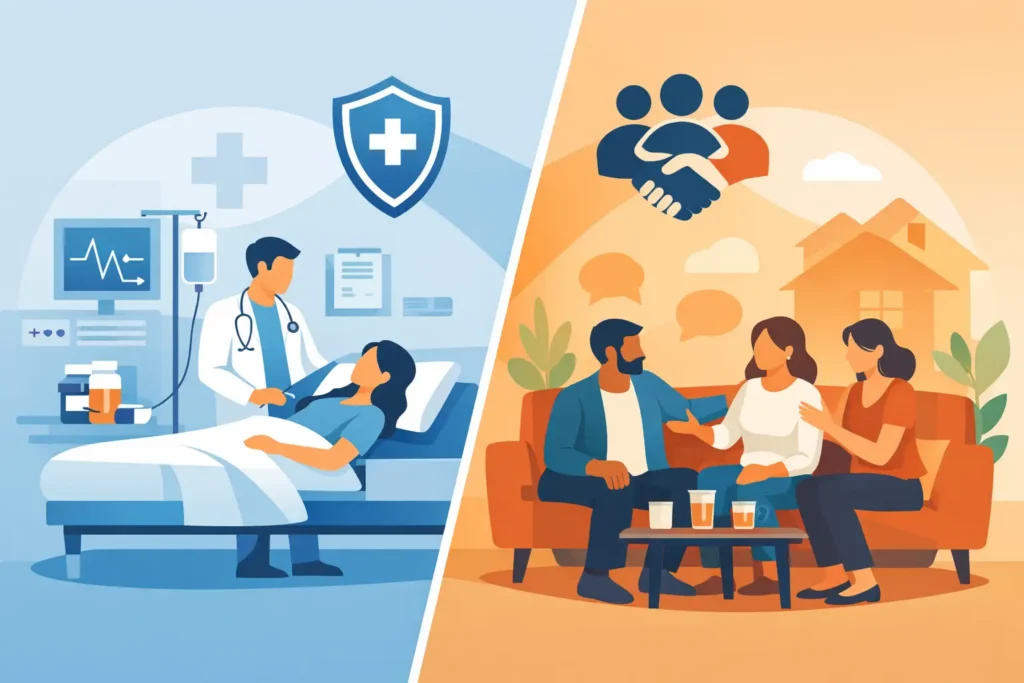
Residential treatment gives clients the time, structure, and separation from daily triggers that are often needed at the start of recovery. Rather than trying to stop substance use while managing work pressures, strained relationships, access to drugs or alcohol, and untreated emotional distress, clients can focus fully on stabilization and healing.
A high-quality program begins by getting to know the individual, not just the substance involved. Alcohol, opioids, stimulants, benzodiazepines, and other drugs can create different medical and psychological concerns. The same is true for the circumstances surrounding use. Some clients arrive after a first serious consequence. Others have been through treatment before, are returning after relapse, or have lived with addiction for years.
Personalized care planning should consider substance-use history, withdrawal risk, physical health, mental health symptoms, trauma, family dynamics, recovery strengths, and practical needs after discharge. This is the foundation for care that is both evidence-based and humane. A treatment plan should not make a client feel like they are being moved through a preset schedule without being seen.
Detoxification is a critical first decision
For many people, detoxification is the first phase of treatment. Withdrawal from certain substances can be deeply uncomfortable and, in some cases, medically dangerous. A professional assessment helps determine the appropriate level of monitoring, support, and medical coordination before a person enters the full rhythm of residential rehabilitation.
Detox is not the same as recovery. It helps the body begin to stabilize, but it does not resolve the patterns, pain, beliefs, and environments that have kept addiction in place. Continuing directly into residential treatment can help clients build momentum when they are especially vulnerable to returning to use.
If someone is experiencing severe withdrawal symptoms, confusion, chest pain, seizures, thoughts of self-harm, or another immediate medical or psychiatric emergency, emergency services should be contacted right away. Safety comes before every other decision.
Treatment Must Address More Than Substance Use
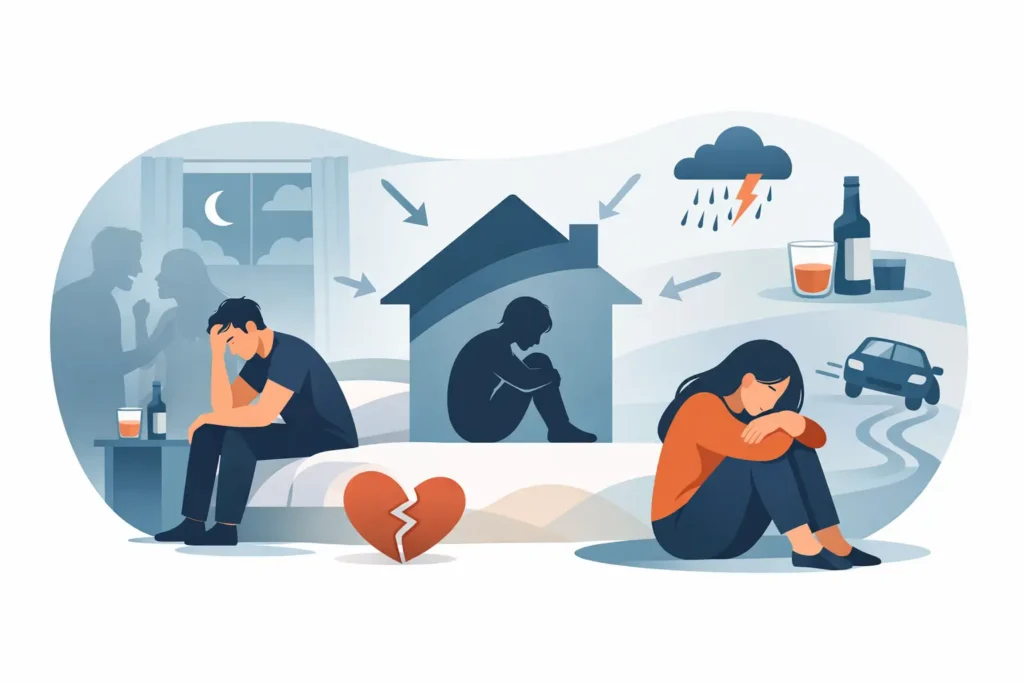
Addiction rarely exists in isolation. Anxiety, depression, grief, trauma, chronic stress, relationship conflict, and shame can all contribute to substance use or become more visible once substances are removed. Comprehensive treatment gives clients room to understand these connections without reducing them to a diagnosis or a mistake.
Individual therapy provides confidential space to explore the personal drivers of addiction and practice healthier responses. Group therapy offers something equally valuable: the realization that recovery does not have to be carried alone. In a respectful community, clients can hear their own experiences reflected in others, receive honest feedback, and begin rebuilding trust through daily accountability.
A 12-step-based recovery philosophy can provide enduring structure and peer connection for many people. It encourages honesty, responsibility, service, and ongoing spiritual growth in a way that supports lasting sobriety. At the same time, a responsible program recognizes that each client’s recovery path is personal. The clinical team should help clients engage with recovery principles in a way that is meaningful, practical, and consistent with their needs.
Wellness also has a place in treatment. Nutritious meals, restorative sleep, movement, mindfulness, and time in a serene setting are not substitutes for clinical care. They can, however, support it. When a person has spent months or years in survival mode, learning how to care for their body and regulate stress can become part of rebuilding resilience.
Privacy, Comfort, and Structure Can Work Together
Many people delay treatment because they fear being judged, exposed, or placed in an impersonal environment. Those concerns are understandable. A private residential setting can offer a needed sense of safety, especially for professionals, parents, caregivers, and anyone whose addiction has been accompanied by significant shame.
Comfort should never mean a lack of accountability. The most effective environment balances dignity with consistent expectations. Clients need a calm place to rest and reflect, but they also need a schedule, therapeutic participation, recovery education, and compassionate guidance when difficult emotions arise. Recovery asks people to be honest about the consequences of substance use while reminding them that their future is not defined by those consequences.
The Palm Springs environment may be especially appealing to people seeking distance from familiar triggers or a setting that feels peaceful rather than institutional. Still, traveling for care involves trade-offs. Family participation may require planning, and returning home after treatment can bring a new set of challenges. These factors should be discussed early so the treatment team can prepare clients and loved ones for a stable transition.
Family Support Helps Recovery Extend Beyond Rehab
Addiction affects the whole family system. Loved ones may feel worried, resentful, confused, or unsure how to help without enabling. The person entering treatment may carry guilt or fear about repairing relationships. Family therapy and education can create a more honest, supportive starting point for healing.
The goal is not to force quick reconciliation or place blame. It is to help families understand addiction, communicate with healthier boundaries, and develop realistic expectations for early recovery. In many cases, loved ones also benefit from their own support and education. Recovery is stronger when family members have tools for responding to setbacks, protecting their well-being, and recognizing meaningful progress.
For those who cannot involve family safely or comfortably, treatment should still provide a supportive community and help identify appropriate recovery allies. Every client deserves connection, but the shape of that support should respect their history and circumstances.
Aftercare Is Where Treatment Becomes Daily Life
Discharge should not feel like stepping off a cliff. A residential stay can be transformative, yet the real test comes when clients return to work, relationships, responsibilities, and situations that once led to use. Continuing care planning is therefore a core part of treatment, not an administrative task saved for the final day.
A thoughtful aftercare plan may include outpatient therapy, psychiatric follow-up when appropriate, recovery meetings, sober living considerations, alumni connection, family support, relapse-prevention strategies, and a plan for high-risk moments. The details depend on the person. Someone returning to a supportive home may need a different level of care than someone facing housing instability, ongoing conflict, or easy access to substances.
Relapse prevention is also more than a promise never to use again. It means recognizing personal warning signs, identifying triggers, practicing coping skills, knowing whom to call, and responding quickly when recovery begins to feel unsteady. A return to use is serious, but it does not erase a person’s worth or make recovery impossible. Early, honest action can prevent a lapse from becoming a longer crisis.
Questions to Ask Before Choosing a Program
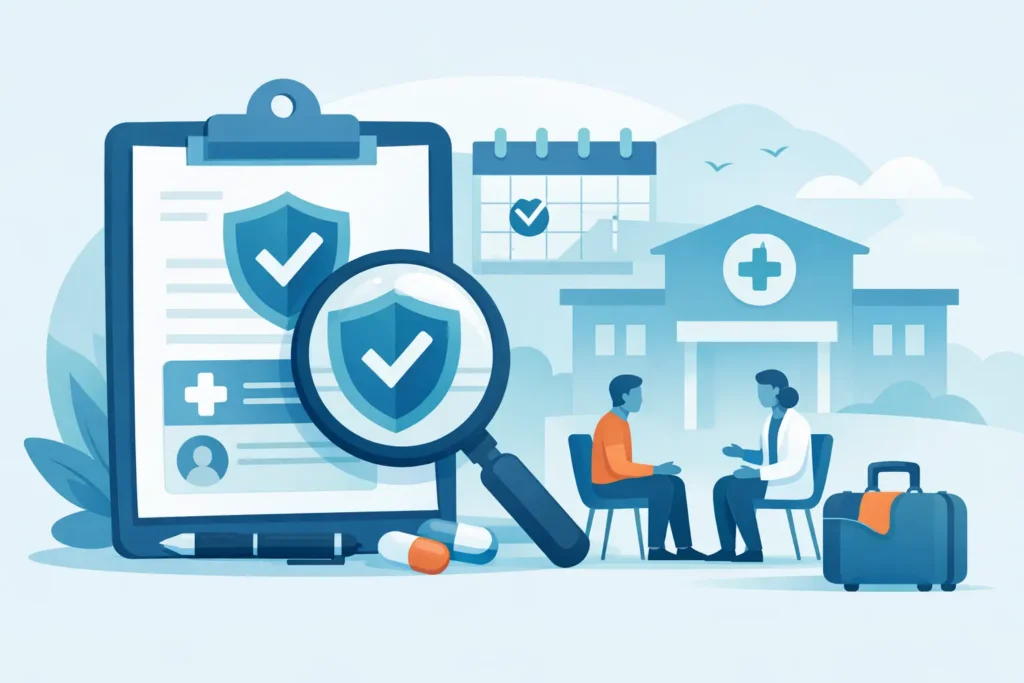
When comparing treatment options, families often focus first on insurance coverage, location, or availability. Those details matter, particularly when a loved one needs help quickly. It is also wise to ask how the program evaluates withdrawal needs, how treatment plans are individualized, what credentials and experience guide clinical care, and how mental health concerns are addressed alongside substance use.
Ask how family involvement works, what a typical day in residential treatment includes, and how the program approaches aftercare. If privacy is important, ask directly about confidentiality, living arrangements, and the overall setting. A trustworthy admissions team should answer clearly, explain what they can and cannot provide, and help you understand whether the level of care is appropriate.
Insurance verification can reduce uncertainty for people with PPO coverage, while private-pay options may be available depending on the program. Financial questions deserve straightforward answers. The decision to seek care is significant enough without confusion about the process.
At Harlow Gardens, recovery is approached as a whole-person process rooted in evidence-based treatment, compassionate community, and purposeful continuing care. Whether you are seeking help for yourself or making calls for someone you love, you do not need to solve every part of the future before taking the first safe step. A confidential conversation with a qualified admissions professional can turn uncertainty into a plan and make room for the lasting transformation recovery can bring.
Book a Consultation
It’s easy and free!