A residential treatment center Palm Springs residents can trust offers detox, personalized therapy, family support, and aftercare for lasting recovery.


When substance use has begun to affect health, relationships, work, or a person’s sense of self, waiting for the perfect moment can carry a real cost. A residential treatment center Palm Springs residents and families can turn to provides a protected place to step away from daily triggers, receive clinical support, and begin rebuilding with dignity.
Residential care is not simply a place to stay while someone stops using drugs or alcohol. It is a structured, compassionate level of care designed to address the physical, emotional, and spiritual dimensions of recovery. For many adults, that separation from familiar routines is what makes honest healing possible.
What Residential Treatment Provides
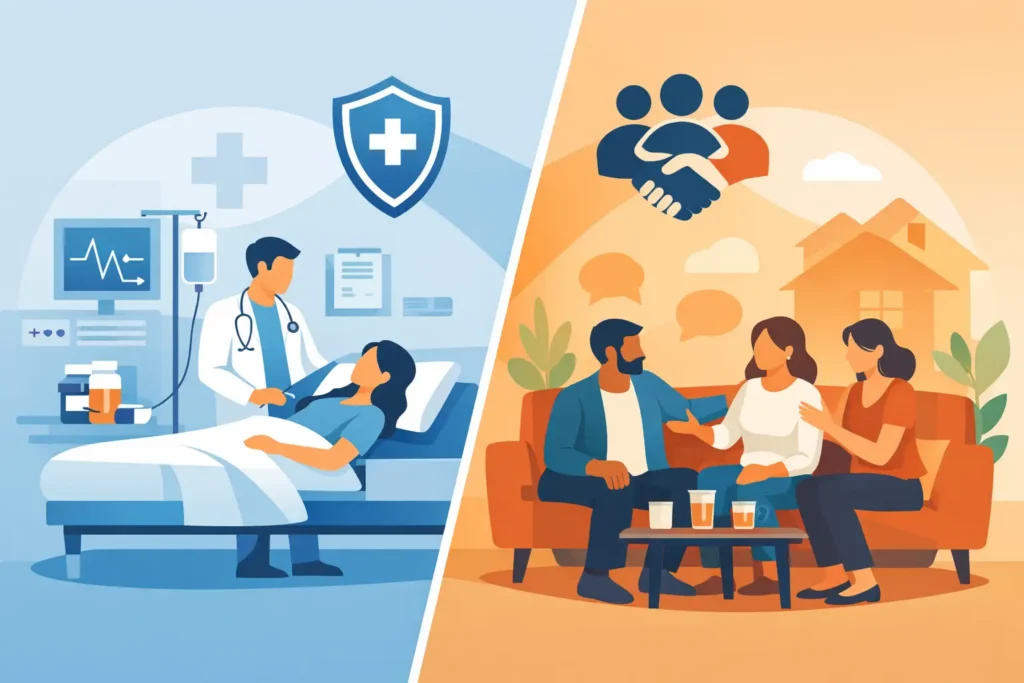
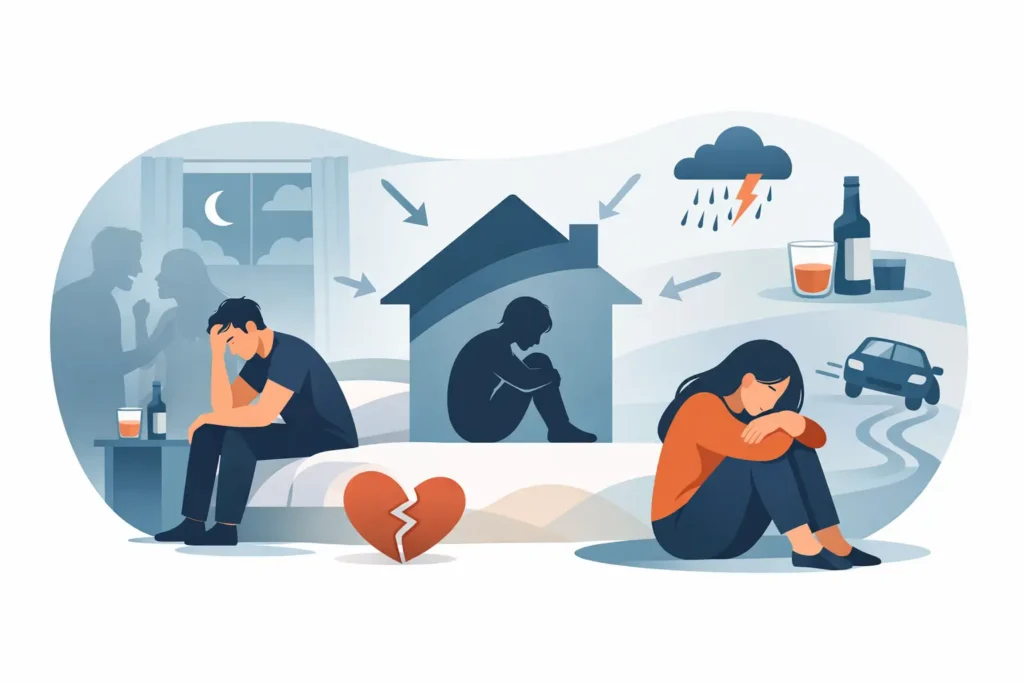
Addiction can narrow a person’s life until getting through the day revolves around obtaining, using, or recovering from substances. Residential treatment creates a different rhythm. Clients live in a supportive setting while participating in a personalized schedule of clinical services, recovery work, wellness activities, and peer connection.
The first priority may be detoxification. Alcohol, benzodiazepines, opioids, and other substances can lead to uncomfortable or medically serious withdrawal symptoms. A professional assessment helps determine whether detox is appropriate and what level of monitoring is needed. Detox is an essential first step for many people, but it is not the full treatment process. Lasting change requires time to understand the patterns, pain, beliefs, and circumstances that have kept substance use in place.
During residential rehabilitation, individualized care plans can include evidence-based therapy, group sessions, family therapy, recovery education, and a 12-step-based philosophy. Treatment should also make room for the realities of co-occurring behavioral health concerns, such as anxiety, depression, grief, trauma, or chronic stress. Substance use rarely exists in isolation, and care should not treat it that way.
A calm, private environment matters as well. Comfort is not a replacement for clinical care, but it can help clients feel safe enough to participate fully in it. Chef-prepared meals, restorative wellness programming, a serene setting, and a respectful community support the basic stability that recovery requires.
Choosing a Residential Treatment Center in Palm Springs
The right program is not necessarily the one with the most polished description or the shortest promise. Families and prospective clients deserve clear answers about how treatment works, who provides it, and what happens after residential care ends.
Start by asking whether the program completes a thorough clinical assessment before recommending treatment. A meaningful plan should consider substance-use history, withdrawal risk, mental health needs, previous treatment experiences, medications, family circumstances, and personal recovery goals. One person may need medically supported detox before entering residential care. Another may be medically stable but need intensive structure following a relapse or escalating emotional distress.
It is also wise to ask about the clinical approach. Evidence-based addiction treatment and individualized therapy should be central, not an optional add-on. Group therapy and peer support are valuable because addiction often thrives in isolation, yet private sessions are equally important for addressing personal history and building practical coping skills. A 12-step-based recovery philosophy can offer community, accountability, and purpose, particularly for people who want an established path of ongoing support. The best fit depends on the person, but a quality center should explain how its approaches work together.
Privacy is another meaningful consideration. Seeking treatment can feel vulnerable, especially for professionals, parents, and people whose communities are closely connected. Ask how confidentiality is protected, how the living environment is structured, and how the program balances personal space with community participation. Recovery does not require public disclosure. It does require honesty in a setting built to hold that honesty with respect.
Finally, look beyond the admission date. A residential program should begin planning for the next stage of care well before discharge. Without a realistic transition plan, the return to work, home responsibilities, relationships, and familiar environments can feel overwhelming.
Signs That Residential Care May Be Appropriate
Residential treatment can be a strong option when outpatient appointments are no longer enough to interrupt substance use or create stability. It may also be appropriate after repeated relapse, when withdrawal concerns are present, when mental health symptoms are worsening, or when a home environment makes early recovery difficult.
For families, the question is often not whether their loved one “looks sick enough” for help. A more useful question is whether the current situation is safe, sustainable, and improving. If the answer is no, a professional admissions assessment can provide needed clarity. Treatment is not a punishment for reaching a crisis point. It is a purposeful response to a health condition that deserves comprehensive care.
Care That Addresses the Whole Person
Early recovery asks a great deal of the body and mind. Sleep may be disrupted. Appetite can change. Emotions that were muted by substances may surface quickly. A person may feel relief, fear, grief, hope, and uncertainty in the same day. This is why comprehensive residential care matters.
Therapy helps clients identify triggers, practice healthier responses, and examine the underlying experiences connected to substance use. Group sessions reduce isolation and help people learn from others who understand the work of recovery. Family therapy can repair communication, establish appropriate boundaries, and give loved ones a more accurate understanding of addiction and healing.
Wellness should be integrated with, not separated from, clinical treatment. Nutritious meals, movement, rest, mindfulness, and time in a peaceful environment can help restore routines that substance use has disrupted. These practices do not make recovery effortless. They give clients a stronger foundation for doing the difficult work with resilience.
At Harlow Gardens, this whole-person approach is paired with personalized, evidence-based care and a community-centered residential experience. The goal is not to create a temporary pause in substance use. It is to help each client develop the insight, support, and daily practices needed for meaningful change.
Family Involvement Without Blame
Addiction affects entire families, and loved ones often arrive exhausted by worry, confusion, and broken trust. Family involvement can be a powerful part of treatment when it is guided carefully. It offers space to discuss the impact of substance use, rebuild healthier communication, and learn how to support recovery without rescuing, controlling, or ignoring harmful behavior.
Family therapy is not about assigning blame. It is about creating a more honest path forward. Some families need to establish firmer boundaries. Others need help speaking openly for the first time in years. Every situation is different, which is why treatment should respect both the client’s privacy and the family’s need for education and support.
Insurance, Admissions, and the First Call
Practical concerns can make it tempting to delay care. Many people wonder whether insurance will help cover treatment, whether they can take time away from work, or what they should bring. These are valid questions, and they should be answered directly by an admissions team.
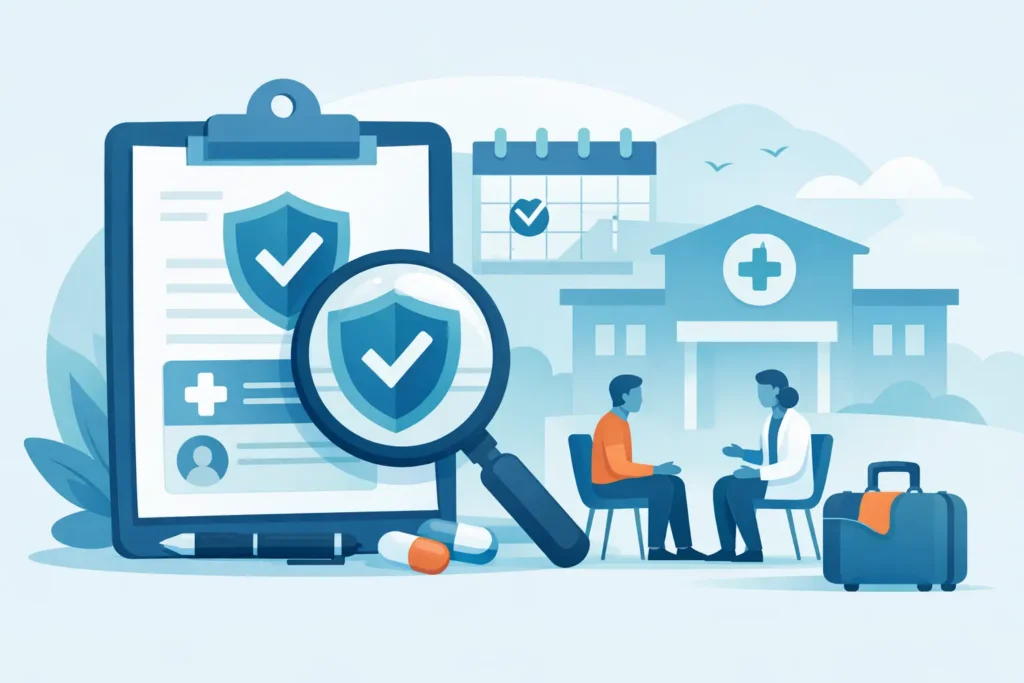
If you have PPO insurance, verification can clarify available benefits and potential out-of-pocket costs. Coverage varies by plan and clinical need, so it is better to ask than to assume treatment is out of reach. A responsive admissions process should also explain the assessment process, expected arrival steps, and whether immediate detox support may be needed. Around-the-clock admissions support can be especially important when a family is facing an urgent situation outside normal business hours.
Recovery Needs a Plan for What Comes Next
The work of residential treatment continues after discharge. Returning home can bring meaningful opportunities, but it can also reintroduce stress, access to substances, and old relationship patterns. Aftercare planning turns recovery principles into practical next steps.
A thoughtful plan may include outpatient therapy, recovery meetings, psychiatric or medical follow-up when appropriate, sober support, family agreements, and alumni connection. It should also address the situations most likely to challenge sobriety, from loneliness and conflict to travel, celebrations, or a demanding work schedule. The plan does not need to predict every difficulty. It needs to give the person a clear way to respond when difficulty arrives.
If you or someone you love is struggling, reaching out for an assessment can be the first act of recovery. Help can begin before every answer is known. A safe place, experienced guidance, and a willingness to accept support can make room for a life guided by purpose rather than addiction.
Book a Consultation
It’s easy and free!