Learn the signs residential treatment is needed, how detox and structured care help, and when to seek compassionate support for lasting recovery today.

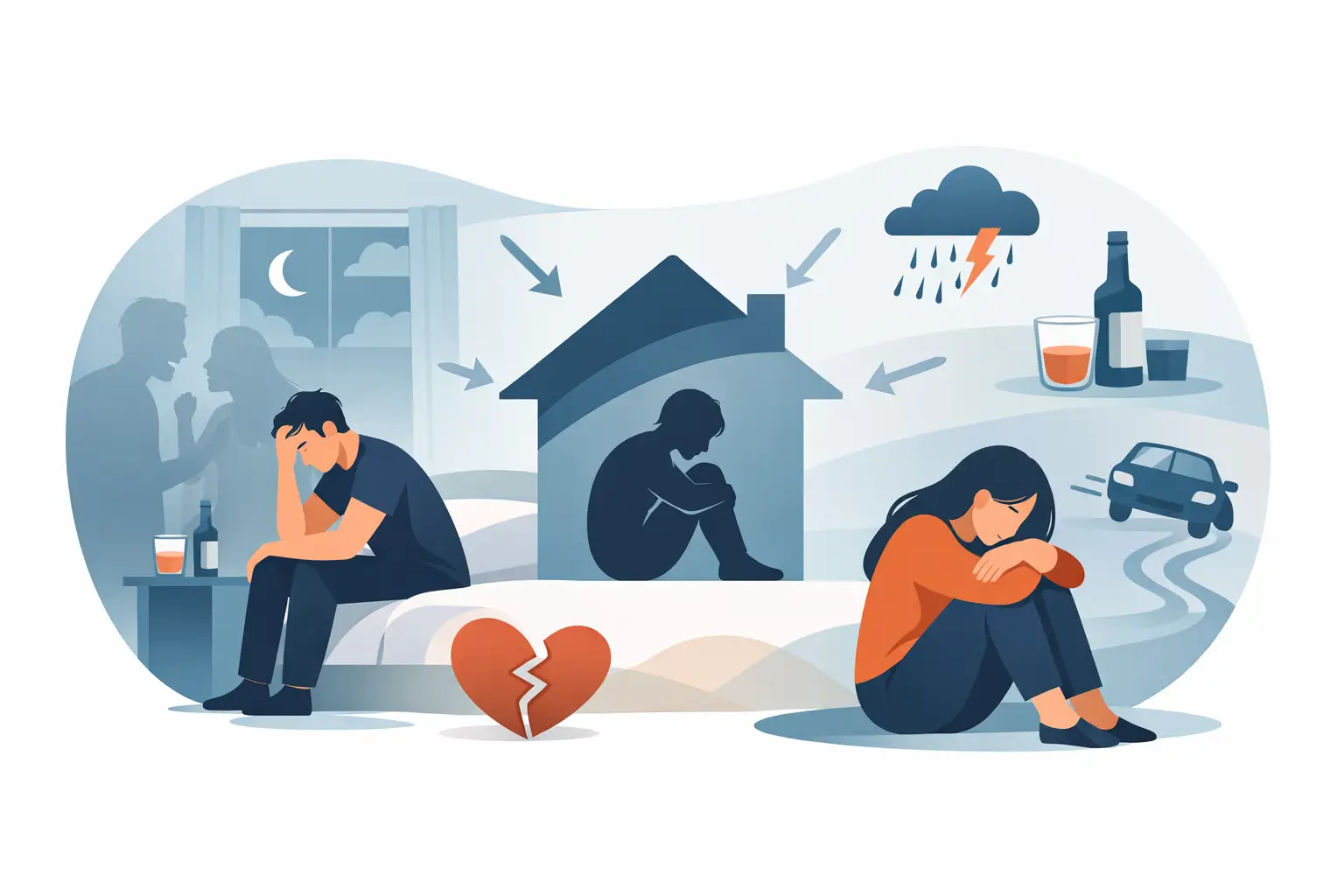
A person may promise to stop drinking or using after a frightening night, a missed shift, or another painful argument – and sincerely mean it. But when the same pattern returns despite those promises, the question changes from “Why can’t they just stop?” to “What level of support will keep them safe?” Recognizing the signs residential treatment is needed can replace uncertainty and shame with a clear, compassionate next step.
Residential care is not a punishment or a sign that someone has failed. It is a structured setting where adults can step away from the people, places, stressors, and access to substances that may be reinforcing addiction. With medical oversight when appropriate, individualized therapy, peer support, wellness services, and a plan for continued care, treatment can create the stability needed to begin lasting transformation.
When Outpatient Support Is No Longer Enough
Outpatient therapy, recovery meetings, medication support, and a strong home network can be effective for many people. Residential treatment may be the better fit when a person cannot maintain sobriety while living in their current environment, when symptoms are escalating, or when safety has become a concern.
The decision is personal and should be guided by a qualified clinical assessment. Still, certain patterns deserve immediate attention. The more often these signs appear together, the more likely a higher level of care may be appropriate.
Substance use is becoming harder to control
A central warning sign is continued use after repeated efforts to cut down or quit. Someone may set limits around how much they will drink, only to drink far more than intended. They may throw away drugs, delete a dealer’s number, or commit to sobriety after a crisis, then return to use within days or hours.
Loss of control is not a lack of character. Addiction can alter judgment, reward pathways, and the ability to follow through on intentions. A residential setting provides distance from immediate triggers and offers daily structure while a person learns practical recovery skills.
Withdrawal, tolerance, or medical risk is present
Needing more of a substance to feel the same effect, or feeling ill when it wears off, can signal physical dependence. Withdrawal may involve anxiety, sweating, shaking, nausea, insomnia, agitation, or intense cravings. Withdrawal from alcohol, benzodiazepines, and some other substances can also be medically dangerous.
Detoxification should never be treated as something to simply endure alone. If someone is confused, having seizures, experiencing hallucinations, struggling to breathe, unconscious, expressing suicidal thoughts, or in immediate danger, call 911 or seek emergency medical help right away. For non-emergency concerns, a treatment professional can help determine whether medically supervised detox should come before residential rehabilitation.
Daily life is shrinking around alcohol or drugs
Addiction often becomes visible in the spaces it takes away. Work performance may decline. Financial problems may build. Parenting responsibilities, relationships, health appointments, and basic routines can fall away as finding, using, or recovering from substances takes priority.
One missed obligation does not automatically mean residential care is necessary. The concern is a repeated pattern, especially when consequences are becoming more serious and the person continues using anyway. Residential treatment offers time and accountability to address the underlying drivers of that pattern rather than only managing the latest consequence.
Mental health symptoms and substance use are feeding each other
Many people use substances to quiet panic, grief, trauma-related symptoms, depression, loneliness, or persistent emotional pain. Over time, alcohol or drugs can intensify those symptoms, creating a cycle that is difficult to interrupt without comprehensive support.
When substance use and behavioral health concerns occur together, care should address the whole person. Individual therapy, group therapy, psychiatric support when indicated, wellness practices, and compassionate connection can help clients understand what they have been trying to escape and build healthier ways to respond. Residential treatment is especially worth considering when emotional distress repeatedly leads to use, relapse, or unsafe decisions.
The home environment cannot support early recovery
Even the most motivated person can struggle when they return each day to active substance use, conflict, isolation, unstable housing, or easy access to drugs and alcohol. Sometimes family members are doing everything they can, yet everyone is exhausted and trust has been damaged.
A private residential setting can offer a needed reset. It gives clients a consistent daily rhythm, recovery-focused community, nourishing meals, and time away from the conditions that have made change harder. Family therapy can also help loved ones communicate with greater clarity, establish healthy boundaries, and begin healing without taking responsibility for another person’s recovery.
Signs Residential Treatment Is Needed After a Relapse
Relapse can be painful, but it does not erase prior progress or make recovery impossible. It is information. A return to use may show that a person needs more time in a structured environment, different coping tools, treatment for co-occurring mental health concerns, or a stronger aftercare plan.
Residential care may be appropriate after relapse when use becomes rapid or dangerous, when overdose risk has increased, or when an individual cannot regain stability through outpatient services. It can also be a meaningful option for someone who has completed treatment before but returned too quickly to the same routines and triggers.
The goal is not to judge the relapse. The goal is to understand it. Experienced clinicians can work with a client to identify warning signs, strengthen relapse-prevention strategies, and create a realistic plan for life after treatment. Recovery is often built through renewed honesty, accountability, and support.
What Residential Treatment Can Provide
A quality residential program gives clients more than a place to stop using. It provides a protected period to stabilize physically and emotionally while participating in a personalized plan of care. Days are structured around therapeutic work, recovery education, community, rest, nutrition, and practices that support overall well-being.
At Harlow Gardens, adults receive comprehensive addiction treatment in a serene Palm Springs setting designed to protect privacy, dignity, and comfort. Evidence-based clinical care is paired with a 12-step-based recovery philosophy, group and individual therapy, family involvement, wellness programming, chef-prepared meals, and thoughtful aftercare planning.
No program can promise that recovery will be effortless. Residential treatment requires willingness to participate, openness to feedback, and a commitment to practice new behaviors. It can also require time away from work, family, and familiar responsibilities. Yet for someone whose addiction has made everyday life unmanageable, that temporary step back can be the beginning of a more purposeful return.
How Families Can Respond With Compassion and Clarity
Loved ones often wait for certainty before raising the subject of treatment. They may fear saying the wrong thing, provoking anger, or making the situation worse. A calm, direct conversation is usually more helpful than trying to argue with someone while they are intoxicated or in crisis.
Choose a time when the person is as clear-headed as possible. Speak from specific observations: missed work, dangerous withdrawal symptoms, escalating use, a recent overdose, or the inability to stay sober despite trying. Avoid labels and accusations. You can be compassionate while still naming what you see and setting boundaries around what you can and cannot continue to support.
It is also helpful to prepare for practical questions. A treatment center can discuss admissions, insurance verification, detox needs, what to bring, and how family participation may work. When someone is ready to accept help, having a plan can prevent fear or logistics from becoming another reason to delay.
If you are wondering whether residential treatment is necessary, you do not have to solve that question alone. A confidential conversation with an admissions or clinical professional can clarify the safest next step. Asking for help is not the end of someone’s independence – it can be the moment they begin reclaiming their health, relationships, and future.
Book a Consultation
It’s easy and free!