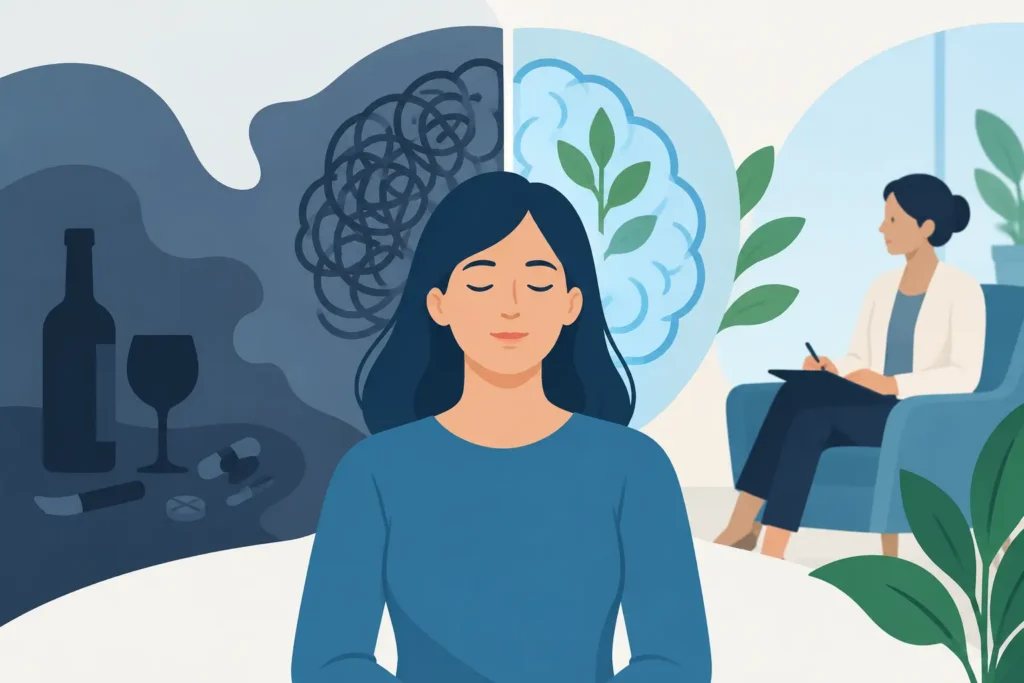
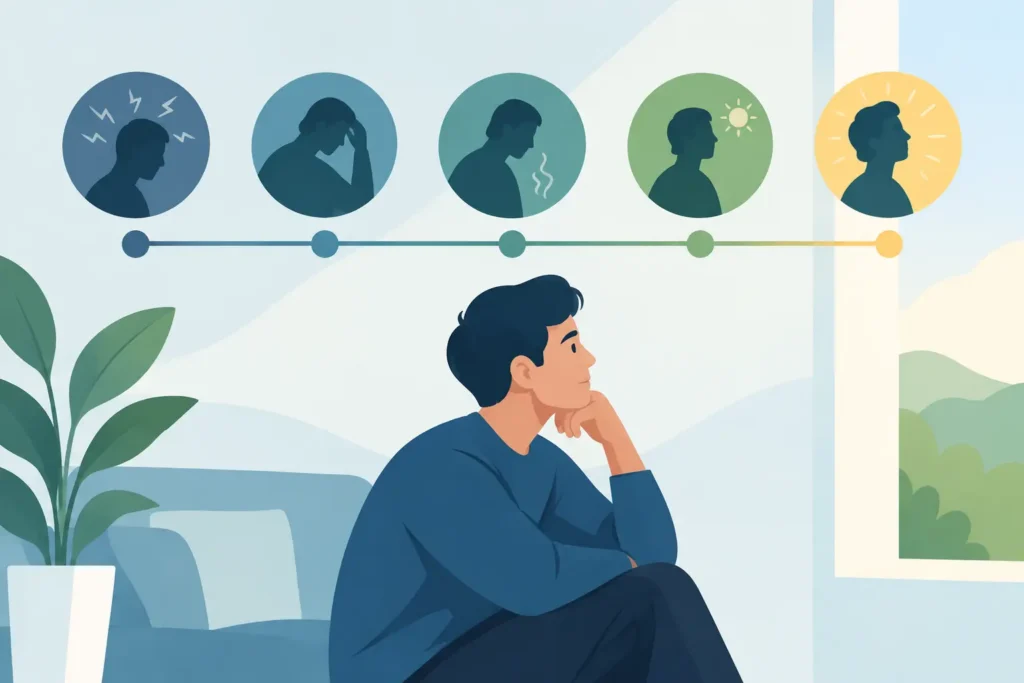
You may be reading this because something does not feel right anymore. Maybe you promised yourself you would cut back or stop using substances, but nothing seems to stick. You could be supporting someone you love and wondering if they need more help than they are getting now. These questions often come quietly, late at …

You may be reading this because something does not feel right anymore. Maybe you promised yourself you would cut back or stop using substances, but nothing seems to stick. You could be supporting someone you love and wondering if they need more help than they are getting now. These questions often come quietly, late at night, when distractions fade and honesty feels unavoidable.
This blog is meant to help you slow down and look at your situation clearly. Instead of labels or assumptions, it walks you through specific questions that can point toward whether inpatient rehab may be the right step. These questions are not about judgment. They are about safety, stability, and giving yourself the best chance to heal.

Can I stop when I want to?
If you find yourself saying you will stop tomorrow, next week, or after one last time, this question matters. Many people begin with control, but over time that control weakens. You may notice that once you start using, stopping feels almost impossible. You might spend large parts of your day thinking about getting the substance, using it, or recovering from it. Failed attempts to quit are not a lack of willpower. They are a sign that your brain has been changed by repeated use.
Inpatient rehab helps by removing access and giving your brain time to reset. You are supported through cravings instead of fighting them alone. With structure and guidance, you can relearn how to respond to urges without giving in. This environment gives your impulse control space to heal so you can make choices again instead of reacting automatically.
Is my real life falling apart?
This question can be painful, but it is important. You may still be functioning on the outside while things quietly unravel underneath. Maybe your job performance is slipping, bills are piling up, or relationships feel tense and fragile. You might notice that promises to loved ones are broken more often, or that trust has faded. When substances begin to take priority over responsibilities, it often means extra support is needed.
Inpatient rehab creates a pause from the chaos. It gives you time away from daily pressures so you can focus fully on recovery. While you are there, you work on repairing emotional damage and learning healthier ways to cope. This kind of care helps you rebuild stability so when you return to your life, you are better prepared to protect what matters most.
Do I feel physically sick or panicked when I try to stop?
If stopping causes shaking, sweating, nausea, racing thoughts, or intense anxiety, your body may be dependent on the substance. These symptoms can be frightening and sometimes dangerous. Many people keep using simply to avoid feeling sick or panicked, even when they want to quit. This cycle can make stopping on your own unsafe.
Inpatient rehab offers medically supervised detox when needed. This means trained professionals monitor your symptoms and help your body adjust safely. You are not left alone with fear or discomfort. Medical support reduces risks and helps manage severe side effects. Once your body stabilizes, you can focus on emotional healing and long term recovery instead of just getting through the day.

Is my environment making it impossible to quit?
Sometimes the problem is not only the substance but also where and how you live. If your home life is filled with stress, conflict, or constant exposure to people who use, staying sober can feel like an uphill battle. Triggers may be everywhere, from certain places to specific people or routines. Even strong motivation can fade when you are surrounded by temptation.
Inpatient rehab removes you from that environment and places you in a space designed for recovery. You are surrounded by people who share the same goal and staff who support your progress. This break from triggers allows you to build new habits without constant pressure. It also helps you practice coping skills so you are better prepared when you return to daily life.
Palm Springs Residential Addiction Rehab
Asking yourself these questions takes courage. They are not meant to scare you, but to help you see your situation clearly. These are signs that inpatient rehab could provide the support you need. Recognizing this is a step toward protecting your health and future.
If you or someone you love is facing these challenges, professional help can make a real difference. Harlow Gardens offers substance abuse treatment in a calm and supportive inpatient setting. Our team focuses on safety, structure, and compassionate care to help people stabilize and begin lasting recovery. Reach out for help today.