You may be reading this because you are thinking back on a tough moment or a night of drinking that left you feeling uneasy. Maybe your body still feels off, and you want to know if there is a way to get alcohol out of your system faster. In this blog, we’ll talk about what …

You may be reading this because you are thinking back on a tough moment or a night of drinking that left you feeling uneasy. Maybe your body still feels off, and you want to know if there is a way to get alcohol out of your system faster.
In this blog, we’ll talk about what actually happens when alcohol enters your body and why it can feel like it stays in your system forever. You will learn what helps, what does not, and why many common tips are misunderstood. Most importantly, this explains how treatment and support can help if alcohol use has become more than an occasional issue.

How Long Does Alcohol Stay in Your System?
Many people want to know exactly how long alcohol lingers in the body after they drink alcohol. The truth is it depends on your metabolism, weight, how much you drank, and your overall health. On average, the liver can process about one standard drink per hour. This means even a small amount of alcohol takes time to leave your system completely.
The amount of time alcohol can be detected varies depending on the test used. In blood, alcohol is usually detectable for up to 12 hours. Breath tests, like those used by police, can pick up alcohol for about 12 to 24 hours.
Saliva tests can detect alcohol for roughly 12 to 24 hours as well. In urine, standard tests can show alcohol for 12 to 48 hours, but specialized tests like EtG can detect it for up to 80 hours or more. Alcohol metabolites can even remain in hair follicles for up to 90 days, making hair tests useful for long-term detection.
Even though these tests show alcohol in different ways, your liver is always working at a steady pace to metabolize alcohol. No trick or drink can speed this process significantly. Time is the main factor in how quickly your body clears alcohol.
How Can I Flush Out Alcohol Faster Out of My System Fast?
Many myths exist about ways to flush alcohol quickly. Greasy food is one example. Eating after drinking can help if you were drinking on an empty stomach, but it does not speed up how fast the liver works. Food may reduce stomach irritation and ease discomfort, but it does not help eliminate alcohol.
Drinks like cranberry juice, lemon water, or electrolyte drinks can support hydration. They may reduce dehydration and some hangover symptoms, but they do not push alcohol out of your body. Even pickle juice, hot baths, saunas, or sleep do not make your system work faster. These methods may help you feel calmer or more rested, yet they do not remove alcohol from your system.
The truth is simple but often frustrating. Only time allows the liver to break down alcohol. Nothing makes alcohol leave the body system faster. Tips like water, light food, gentle movement, and rest only help lessen side effects. They do not change how quickly alcohol clears.
How Professional Addiction Treatment Can Help Alcohol Use Disorder
If you are searching for ways to get alcohol out of your body, it may be about more than one rough experience. For some, repeated binge drinking or daily use creates fear around stopping. Quitting suddenly can be dangerous for heavy drinkers. Severe withdrawal can include shaking, panic, or worse.
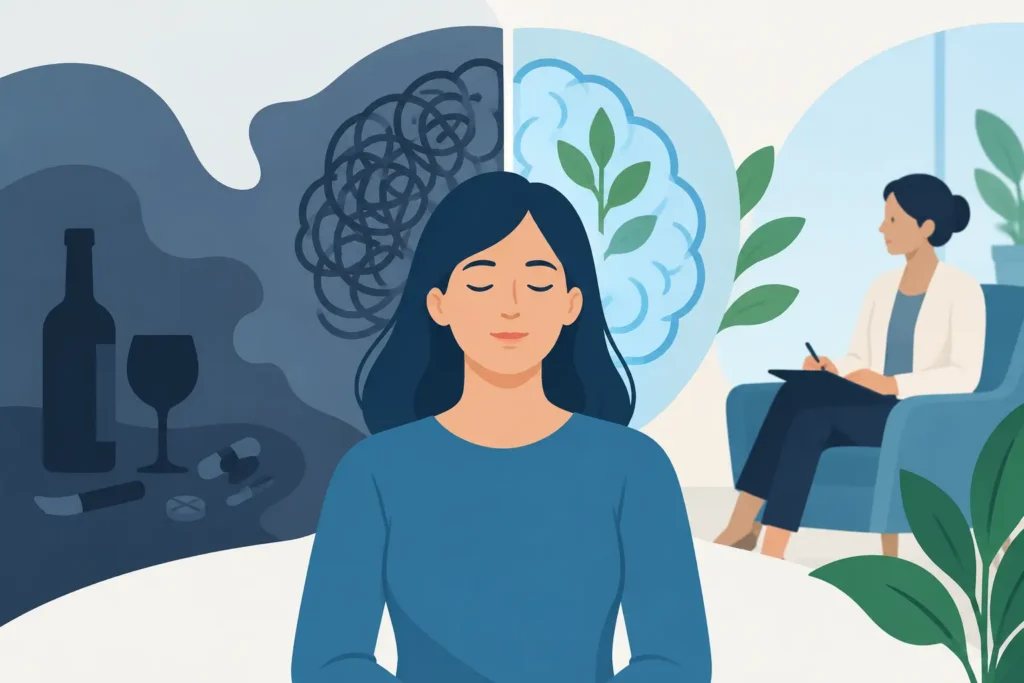
Professional treatment provides safety and structure. In a supervised setting, your body can adjust while symptoms are managed. Treatment also addresses why drinking started and why it continued. Alcohol use often connects to stress, trauma, or habits that feel impossible to break alone.
Programs like those at Harlow Gardens offer alcohol addiction treatment that focuses on both physical stability and emotional healing. Care teams help you understand how alcohol depends on brain chemistry and behavior. This kind of support can change how you relate to alcohol, not just help you stop for a short time.

Best Alcohol Rehab in Palm Springs CA
If your concern about alcohol keeps returning, it may be a sign to look deeper. Repeated discomfort, fear of withdrawal, or loss of control are not personal failures. They are signals that support may be needed.
Harlow Gardens provides substance abuse treatment designed to help people heal safely and fully. We focus on long term recovery, not quick fixes. Contact us today and learn more about how our residential programs can help.