This relapse prevention guide explains how to recognize triggers, build support, and respond to a return to use with compassion, care, and early help.


Recovery can feel steady for days or months, then suddenly fragile after an argument, a lonely evening, a pain flare-up, or an unexpected encounter with alcohol or drugs. A relapse prevention guide is not a promise that difficult moments will disappear. It is a practical, personalized plan for recognizing risk early, using support without shame, and protecting the life you are building.
Relapse is not a moral failure or proof that treatment did not work. It is a serious health concern that deserves an honest, immediate response. With compassionate support, evidence-based care, and a clear plan, many people can interrupt the cycle before a lapse becomes a sustained return to substance use.
What Relapse Prevention Really Means
Relapse prevention is an ongoing part of recovery, not a worksheet completed before leaving treatment. It includes learning how substance use developed, identifying the circumstances that make use more likely, strengthening coping skills, and building a daily life that supports sobriety.
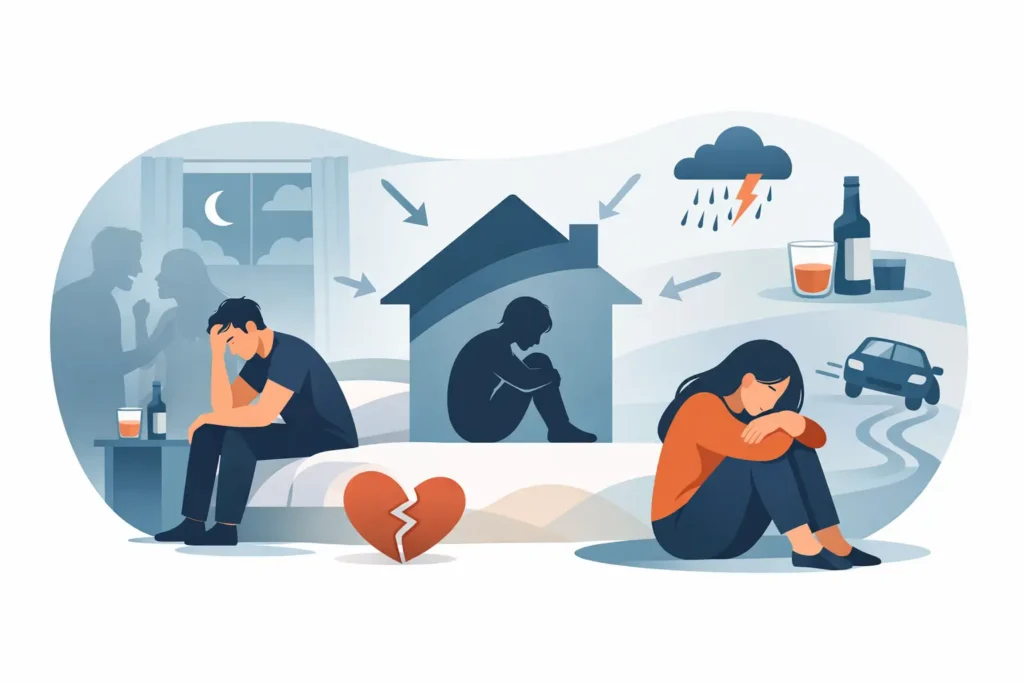
For some people, relapse begins long before they pick up a drink or drug. Emotional relapse may look like isolating, skipping meetings or therapy, becoming irritable, or telling yourself that no one understands. Mental relapse can include romanticizing past use, bargaining about “just one,” or planning how to use without being noticed. Recognizing these earlier stages creates time to ask for help.
A return to use can happen quickly, especially when stress, untreated mental health symptoms, trauma, or withdrawal are involved. That is why a prevention plan should be specific to the person, not based on willpower alone.
Build a Personal Relapse Prevention Plan
A useful plan is simple enough to follow when emotions are high. During residential treatment, clients can create this plan with clinicians and peers who understand their history, strengths, and treatment goals. After treatment, the plan should be reviewed often as relationships, work demands, health, and recovery needs change.
Identify your triggers without judgment
Triggers are not excuses. They are signals that call for additional care. External triggers may include certain people, places, celebrations, paydays, social media content, or easy access to substances. Internal triggers can be harder to spot because they arise within: anxiety, grief, boredom, anger, shame, physical pain, fatigue, or the belief that you deserve relief.
It helps to write down the situations that have led to cravings or use in the past. Then add early warning signs. Perhaps you stop answering calls, neglect meals, stay up late, or begin thinking recovery is taking too much effort. The goal is not to fear every uncomfortable feeling. The goal is to recognize patterns early enough to make a different choice.
Plan for the high-risk moments
A relapse prevention plan should answer a few direct questions: What will I do when a craving begins? Who can I contact at any hour? Which environments are unsafe for me right now? How will I leave a situation where substances are present?
The response should be concrete. Instead of writing, “I will cope better,” choose actions such as calling a sponsor, attending a recovery meeting, taking a walk with a trusted person, using a grounding exercise, or arranging a therapy appointment. If a family gathering centers on drinking, it may mean driving separately, bringing a sober support person, or declining the event altogether. These boundaries can feel disappointing, but protecting recovery is an act of dignity and self-respect.
Create structure that supports healing
Early recovery often benefits from more structure, not less. Regular sleep, nourishing meals, movement, therapy, recovery meetings, medication management when prescribed, and time with supportive people help stabilize the nervous system. These practices are not a substitute for clinical care when it is needed, but they can reduce the vulnerability that comes with exhaustion, hunger, isolation, and unmanaged stress.
Wellness is also personal. One person may find calm through morning walks, while another reconnects with purpose through service, faith, art, or a 12-step community. A sustainable routine should feel realistic. Overfilling every hour can create pressure; leaving every hour unplanned can create risk. The right balance depends on each person’s history and current level of support.
Support Is a Recovery Skill
Addiction often teaches people to withdraw, conceal pain, or insist they can handle everything alone. Lasting recovery asks for a different kind of strength: the willingness to be known and supported.
A strong support network may include a therapist, physician or psychiatrist, sponsor, recovery peers, trusted family members, and alumni community. Each person can serve a different role. A sponsor may understand the immediate pull of cravings. A therapist can help address trauma, relationships, anxiety, depression, or other behavioral health concerns. Family members can learn how to support recovery without monitoring, rescuing, or escalating conflict.
Family therapy can be especially valuable when loved ones are carrying fear, grief, or frustration from past substance use. Recovery is more stable when communication becomes clearer and everyone understands the plan for responding to warning signs. Boundaries are part of this work. They protect both the person in recovery and the people who care about them.
What to Do When Cravings Hit
Cravings can be intense, but they are temporary. Rather than debating with a craving or feeling ashamed by it, name what is happening: “I am having a craving, and I do not have to act on it.” Then create distance between the urge and any decision.
Move away from substances, people who are using, or the place where the urge started. Call someone from your support list and be specific about what you need. Eat, hydrate, rest, or take a shower if your body is depleted. Use breathing, prayer, meditation, or grounding techniques to return attention to the present moment. If the urge continues, do not wait for it to become unbearable. Reach out to a treatment professional, attend a meeting, or spend time in a safe, accountable setting.
Cravings sometimes reveal a need that has gone unattended. You may need rest, connection, grief support, relief from pain, or professional care for depression or anxiety. Addressing that need is not indulgent. It is relapse prevention.
If a Lapse Happens, Act Quickly
A lapse does not have to become a longer relapse. The most protective response is immediate honesty. Tell a trusted person, contact your treatment team or therapist, and remove access to substances as soon as possible. Avoid the thinking that says, “I already ruined everything.” That thought can keep a brief lapse going.
Medical safety comes first. Alcohol, benzodiazepines, and some other substances can cause dangerous withdrawal symptoms, particularly after heavy or prolonged use. Do not attempt to manage severe withdrawal alone. Seek urgent medical attention for symptoms such as seizures, confusion, hallucinations, chest pain, trouble breathing, or thoughts of self-harm. If there is an immediate danger of overdose or self-harm, call 911.
After immediate safety is addressed, look at what happened with compassion and accountability. What warning signs appeared? Which supports were missing? Was there a change in mental health, medication, pain, housing, work, or relationships? This is not about blame. It is about adjusting the care plan so recovery is better protected next time.
When More Support Is the Right Next Step
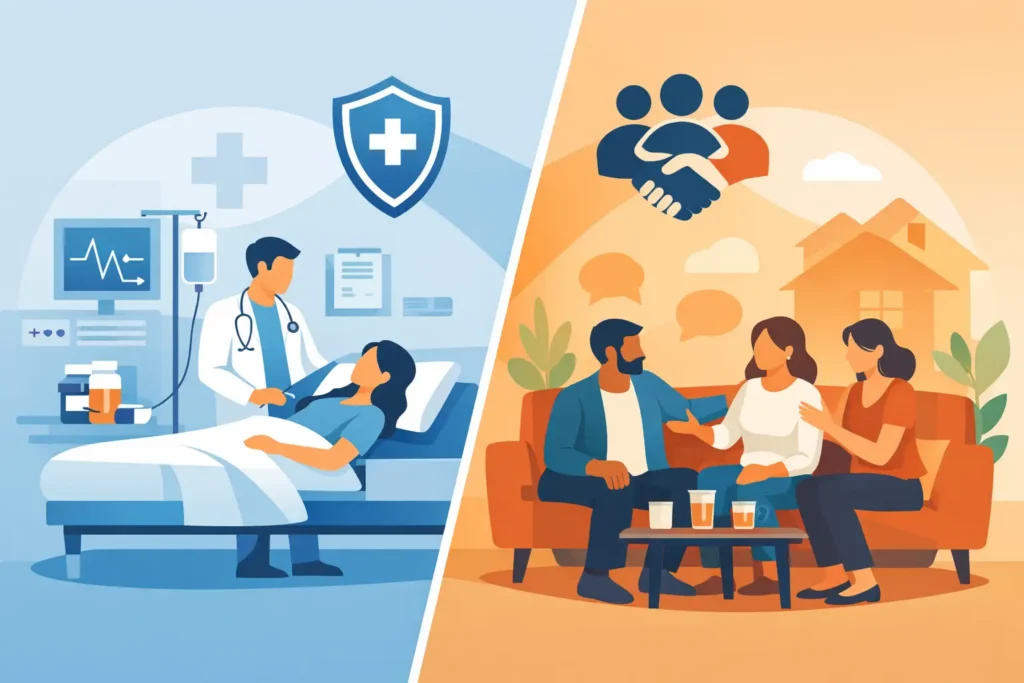
Outpatient therapy and community recovery support are meaningful for many people. At other times, a higher level of care is the safer choice. Residential treatment may be appropriate when substance use has resumed, cravings feel unmanageable, mental health symptoms are escalating, or the home environment is not supportive of recovery.
At Harlow Gardens, recovery planning is integrated into comprehensive residential care from the beginning. Clients receive individualized clinical support, group and family therapy, wellness programming, and aftercare planning designed to support the transition back to daily life. A private, structured setting can provide room to stabilize, rebuild trust in the recovery process, and reconnect with purpose.
The next right step does not need to be figured out alone. Reaching out early can turn a moment of vulnerability into an opportunity for deeper healing, renewed resilience, and a recovery plan that truly fits the life ahead.
Book a Consultation
It’s easy and free!