Private residential rehab California can offer discreet, structured addiction care. Learn how to evaluate detox, therapy, family support, and aftercare.


A search for private residential rehab California options often begins at a difficult moment: a relapse has happened, alcohol or drug use is escalating, or a family can no longer safely manage the situation at home. The right next step is not simply finding a comfortable place to stay. It is finding clinically appropriate care where a person can stabilize, be treated with dignity, and begin building a life that supports lasting recovery.
Private residential treatment can offer meaningful advantages, but “private” should mean more than a quiet setting or individualized amenities. It should mean thoughtful confidentiality, attentive support, a manageable community, and a treatment plan built around the person rather than a generic schedule alone.
What Private Residential Rehab Should Provide
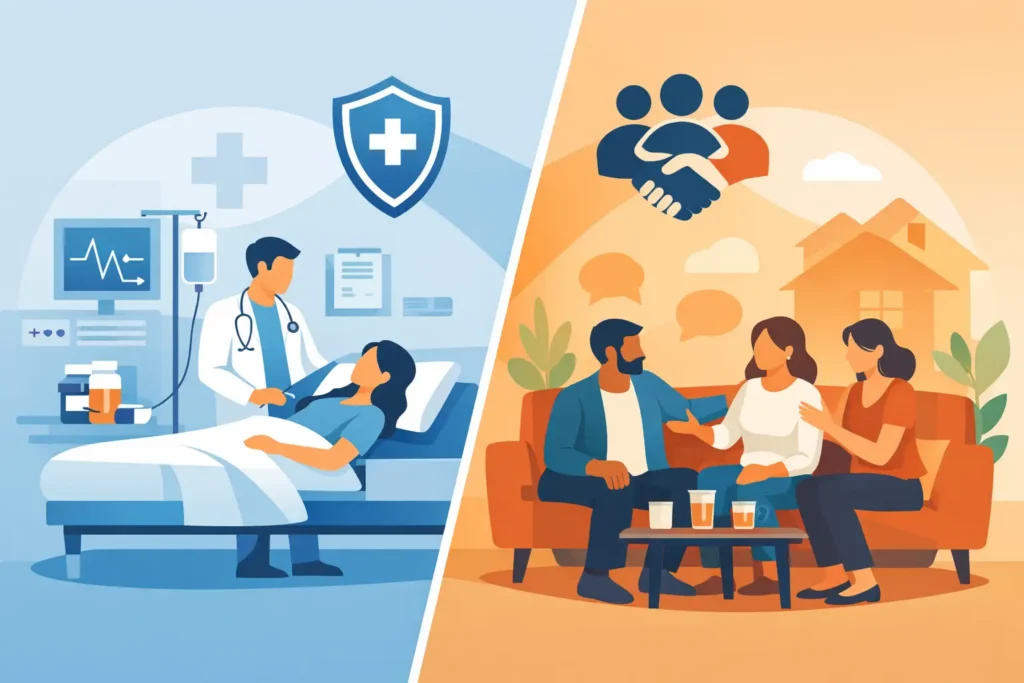
Residential rehab gives adults a structured place to step away from the people, routines, and pressures that can reinforce substance use. Unlike outpatient care, clients live at the treatment center while participating in therapy, recovery programming, wellness activities, and community support. This level of care can be especially valuable after detoxification, during early recovery, or when repeated attempts to stop using have not held outside a structured setting.
A private setting may offer greater comfort and discretion, but clinical quality remains the priority. Addiction affects physical health, emotional well-being, relationships, decision-making, and a person’s sense of purpose. Effective residential care addresses each of those dimensions with compassion and accountability.
Look for a program that starts with a thorough assessment and builds an individualized plan. The plan should consider the substances involved, withdrawal history, mental health concerns, trauma, medications, family circumstances, and recovery goals. Two people can have the same diagnosis and need very different forms of support.
Detoxification and Residential Care Are Not the Same
For many people, a safe beginning requires medically supported detoxification. Withdrawal from alcohol, benzodiazepines, opioids, and other substances can range from deeply uncomfortable to medically serious. Detox helps the body stabilize, but it is only the opening phase of treatment.
Residential rehabilitation provides the time and therapeutic structure to understand what has sustained the addiction and to practice different responses. A program should make the transition from detox to residential care feel connected, not like a handoff that leaves someone to start over emotionally. When detox and rehab are coordinated, clients can begin therapy and recovery planning as soon as they are stable enough to participate.
How to Evaluate Private Residential Rehab in California
California offers many treatment options, and the differences can be significant. A beautiful property may feel reassuring, but it cannot replace experienced clinical leadership, appropriate staffing, and a clear philosophy of care. Families deserve to ask direct questions before making a decision.
First, ask how the center personalizes treatment. Evidence-based care may include individual therapy, group therapy, family therapy, relapse-prevention work, and treatment for co-occurring behavioral health concerns. A 12-step-based approach can also provide a practical framework for accountability, peer connection, and ongoing recovery. The strongest programs use these elements thoughtfully rather than assuming one path works for every person.
Next, ask how often clients receive individual attention and how the team responds when someone is struggling. Recovery can bring grief, anxiety, shame, anger, sleep disruption, and uncertainty. A compassionate program does not judge those experiences. It helps clients name them, develop healthy coping skills, and remain engaged when motivation changes.
It is also wise to ask about licensing, professional credentials, medication practices, and the approach to dual diagnosis. Substance use and mental health concerns often overlap. Depression, anxiety, trauma, and other conditions should not be treated as separate footnotes to addiction. Integrated support gives clients a more honest understanding of their needs and a more stable foundation for recovery.
Privacy Should Support Healing, Not Isolation
For professionals, parents, public-facing individuals, and anyone concerned about stigma, confidentiality can be a deciding factor. Privacy protects a person’s ability to seek help without unnecessary exposure. It can also create the calm needed to focus fully on treatment.
Still, privacy should not become isolation. Recovery is strengthened through safe connection with peers who understand the work firsthand. In a well-run residential community, clients can share honestly, learn from one another, and experience support without sacrificing personal boundaries. The goal is a setting that feels peaceful and respectful while remaining active, accountable, and clinically focused.
Palm Springs can be particularly well suited to this balance. Its desert setting offers space from familiar triggers and daily demands, while a residential environment can provide a steady rhythm of therapy, meals, wellness, reflection, and recovery community. At Harlow Gardens, that atmosphere is designed to feel like a sanctuary while treatment remains structured, personalized, and grounded in evidence-based care.
Comfort Matters, But It Is Part of the Care Plan
Comfort is sometimes misunderstood as a luxury in addiction treatment. In reality, feeling physically safe, well nourished, and respected can help a person stay present for difficult therapeutic work. Chef-prepared meals, restorative outdoor spaces, movement, mindfulness, and a calm living environment can support sleep, emotional regulation, and overall wellness.
These elements are most meaningful when they serve recovery rather than distract from it. A private residential program should not promise an escape from consequences. It should provide a stable setting in which clients can face those consequences with skilled support and begin making practical changes.
That balance matters. Some people need a highly intensive clinical environment because of acute psychiatric symptoms, severe withdrawal risk, or medical needs. Others may benefit from a residential setting that offers a greater emphasis on community, wellness, and reintegration planning. The appropriate level of care depends on the individual, and a responsible admissions team will help determine it honestly.
Family Involvement Can Change the Recovery Process
Addiction rarely affects only one person. Loved ones may feel frightened, exhausted, angry, or unsure how to help without enabling. Clients may carry guilt and fear about the impact of their substance use. Family therapy and education create a structured way to address these realities without turning treatment into a blame exercise.
When appropriate, families can learn about addiction, communication, boundaries, relapse warning signs, and their own need for support. This work can be uncomfortable, but it often helps replace secrecy and crisis management with clearer expectations. Not every family relationship is safe or ready for direct involvement, so participation should always be handled with clinical care and respect for the client’s circumstances.
The Real Test Is What Happens After Discharge
A residential stay is a protected beginning, not the finish line. Before leaving treatment, clients need a practical aftercare plan that accounts for where they will live, how they will spend their time, which recovery supports they will use, and how they will respond to stress or cravings.
Strong continuity of care may include outpatient therapy, psychiatric follow-up when needed, recovery meetings, alumni connection, sober living recommendations, family support, and a written relapse-prevention plan. The details should be realistic. A plan that sounds good in a therapy room but does not fit a person’s job, relationships, transportation, or finances is less likely to hold under pressure.
Recovery also benefits from continued community. Alumni engagement can remind people that returning to daily life does not mean carrying the work alone. Progress is not measured by perfection. It is measured by the willingness to use support, repair setbacks quickly, and continue choosing health and purpose.
Taking the First Step With Clarity
When someone needs help now, families may feel pressure to choose the first available bed. Speed can matter, particularly when withdrawal risk or immediate safety is involved, but asking a few focused questions can protect the quality of that decision. Confirm whether detox is available or can be coordinated, whether the program accepts the person’s insurance or offers private-pay guidance, and whether admissions support is available around the clock.
Most of all, listen for respect. The right private residential rehab in California will speak about a person as more than their addiction or their recent crisis. They should be treated as someone with inherent dignity, clinical needs, relationships worth repairing, and a real capacity for resilience.
The call for help does not have to solve every future question. It only needs to create a safe, supported next step – one where recovery can begin with honesty, skilled care, and room to become possible again.
Book a Consultation
It’s easy and free!