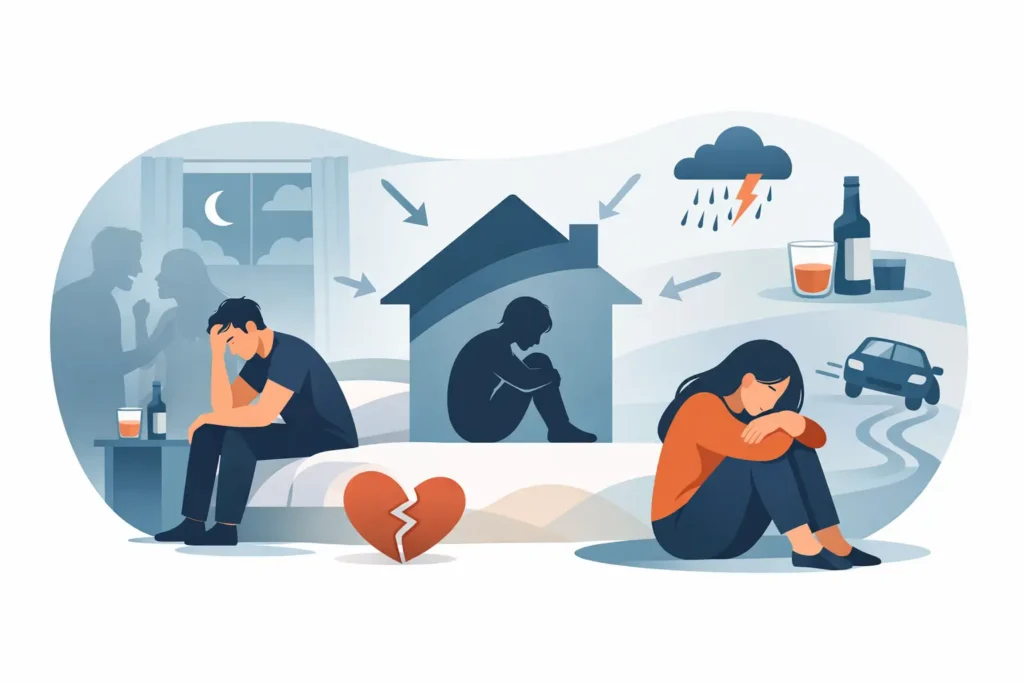
Addiction treatment aftercare planning creates structure, connection, and accountability so recovery can continue with confidence after residential care.


Leaving residential treatment can bring relief, pride, and understandable uncertainty. The structure that supported early healing – scheduled therapy, peer connection, nourishing meals, and consistent accountability – changes quickly after discharge. Thoughtful addiction treatment aftercare planning helps ensure that change does not mean facing recovery alone.
Aftercare is not a final administrative step before going home. It is an active, personalized bridge between the safety of treatment and the realities of daily life. For many people, it becomes the framework that protects the progress made during detoxification and residential care while making room for work, family, community, and a renewed sense of purpose.
Why Aftercare Matters in Early Recovery
Recovery continues long after substances leave the body. Early sobriety can involve shifts in mood, sleep, relationships, finances, and identity. A person may return to familiar places, stressors, or people connected to past substance use before they have had time to practice new responses with confidence.
This is not a sign of failure or a lack of commitment. It is why continuing care matters. Addiction is a chronic condition for many people, and lasting transformation often requires ongoing clinical support, healthy routines, and meaningful connection. A clear aftercare plan helps identify risks early and establishes what to do before a difficult day becomes a crisis.
The plan should be practical enough to use on an ordinary Tuesday, not just inspiring on the day of discharge. It should answer questions such as: Who can I call when cravings rise? Where will I go for therapy? How will I protect my sleep and sobriety when work becomes stressful? What boundaries do I need at home? These details turn hope into a workable path forward.
What Effective Addiction Treatment Aftercare Planning Includes
No two aftercare plans should look exactly alike. The right level of support depends on a person’s substance-use history, mental health needs, home environment, relapse history, work obligations, and available support system. Some people benefit from a step-down level of care, while others may be ready for outpatient therapy and a strong recovery community.
Continued Clinical Care
A quality plan identifies who will provide ongoing therapeutic and medical support. This may include individual therapy, psychiatric care, medication management, trauma-informed counseling, or an intensive outpatient program. For someone managing depression, anxiety, PTSD, or another behavioral health concern alongside addiction, continuity with a qualified provider is especially important.
Residential treatment offers an opportunity to understand the patterns beneath substance use. Continued care helps a person apply that understanding in real-life settings. Therapy can address triggers as they arise, strengthen coping skills, and provide a private place to process the emotions that often surface in early recovery.
Recovery Community and Peer Support
Isolation can quietly increase relapse risk. A strong aftercare plan includes regular connection with people who understand recovery and can offer honest encouragement. This might mean 12-step meetings, recovery-focused peer groups, alumni events, a sponsor, or another trusted accountability partner.
The specific format matters less than consistency and fit. Some people find their foundation in 12-step recovery and service to others. Others benefit from additional peer communities or specialized groups that reflect their life experience. The goal is not to force a person into a single model. It is to make sure they have support that feels credible, accessible, and dependable.
A Plan for Home, Work, and Relationships
Returning home can be one of the most meaningful parts of recovery, but it can also be complicated. Family members may be hopeful while still carrying fear, hurt, or uncertainty. A partner may want immediate reassurance. An employer may expect a quick return to normal. Recovery asks everyone to adjust, often gradually.
Aftercare planning should address those realities directly. It may include family therapy, a conversation about boundaries, a return-to-work schedule, or recommendations for a sober living environment when the home setting is not yet supportive of recovery. In some cases, taking more time before returning to certain relationships or responsibilities is the healthiest decision.
Honesty is essential here. A plan that ignores conflict, access to substances, or overwhelming obligations is unlikely to provide enough protection. A compassionate plan names the challenges without judgment and creates realistic options for navigating them.
Daily Wellness Practices
Wellness is not separate from addiction recovery. Sleep, nutrition, movement, stress management, and spiritual connection can all affect mood, cravings, and resilience. A person does not need to build a perfect routine immediately. Small, repeatable practices are more valuable than an ambitious schedule that collapses under pressure.
This may look like attending a morning meeting, preparing meals at home, taking a walk before work, journaling after therapy, or protecting time for rest. The best routines are personal. They support stability without making recovery feel like another impossible standard to meet.
Preparing for Triggers and Setbacks
A relapse-prevention plan is a central part of aftercare, but it should never be framed as a test of willpower. Triggers can be internal, such as loneliness, anger, grief, or overconfidence. They can also be external, including certain social settings, paydays, travel, conflict, or easy access to alcohol or drugs.
During treatment, clients can learn to recognize their individual warning signs. Aftercare puts that insight into action. The plan may outline specific steps: leave the situation, call a sponsor or therapist, attend a meeting, contact a supportive family member, or seek immediate professional help. Writing these steps down matters. Under stress, even a well-practiced coping skill can be hard to remember.
It is also wise to plan for a lapse without treating one as inevitable. If substance use occurs, the priority is safety and immediate reconnection with support, not secrecy or shame. A lapse does not erase recovery, but delaying help can allow it to become more serious. Knowing exactly whom to contact can shorten the distance between a difficult moment and compassionate intervention.
The Role of Family in Continuing Care
Families often want to help but may not know how. They may unintentionally become overly watchful, avoid hard conversations, or try to manage recovery for their loved one. Family involvement works best when it supports accountability while respecting the recovering person’s responsibility for their own recovery.
Family therapy and education can create a healthier path forward. Loved ones can learn about addiction, boundaries, communication, and the difference between support and enabling. They can also receive care for their own stress and healing. Recovery affects the whole family system, and family members deserve guidance rather than being left to navigate it alone.
How Residential Care Builds the Foundation
Aftercare planning is most effective when it begins well before discharge. At Harlow Gardens, continuing care is considered part of the treatment process, not an afterthought. As clients build insight and stability in a private, structured setting, their clinical team can help them identify the support, routines, and relationships that will sustain them beyond residential care.
This preparation should be collaborative. Clients need a voice in decisions about therapy, recovery meetings, family involvement, and next-step services. At the same time, experienced clinicians can offer the perspective that is difficult to access during a vulnerable transition. The result is a plan grounded in both personal goals and clinical reality.
A strong plan also allows for adjustment. Recovery is not linear, and needs can change after discharge. Someone who initially feels ready for a lighter level of support may need more frequent therapy or additional accountability later. Reaching for that support is a sign of resilience and self-awareness.
The days after treatment do not have to be defined by fear of what comes next. With compassionate guidance, clear structure, and people who remain within reach, recovery can become less about simply avoiding substances and more about building a life that feels worth protecting.
Book a Consultation
It’s easy and free!