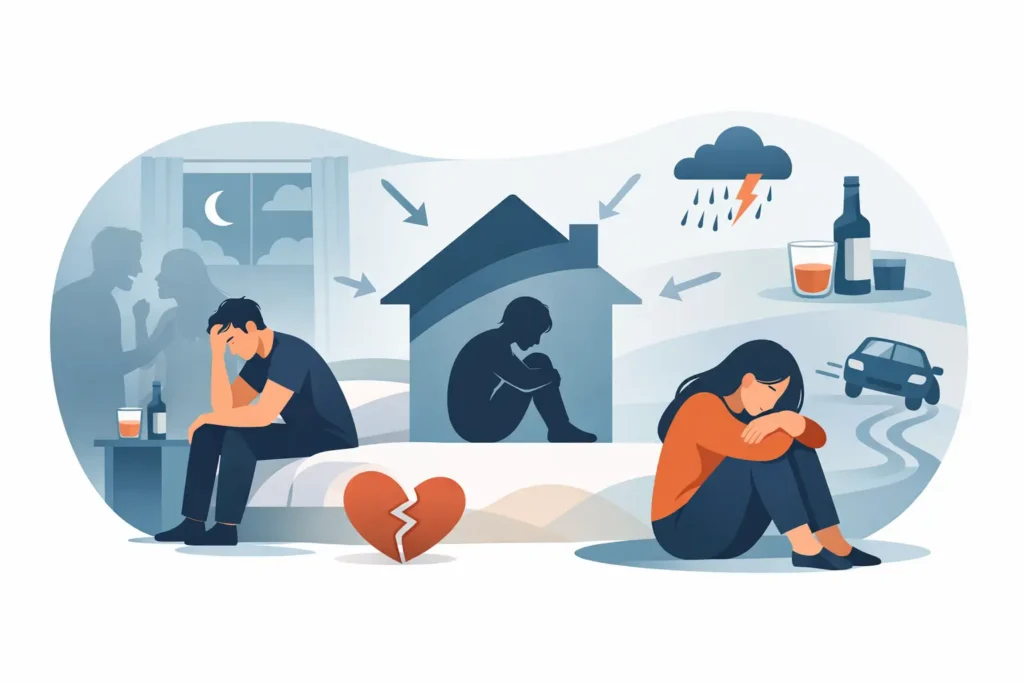
Family therapy for addiction recovery helps rebuild trust, improve communication, and create a steadier foundation for lasting healing at home together.

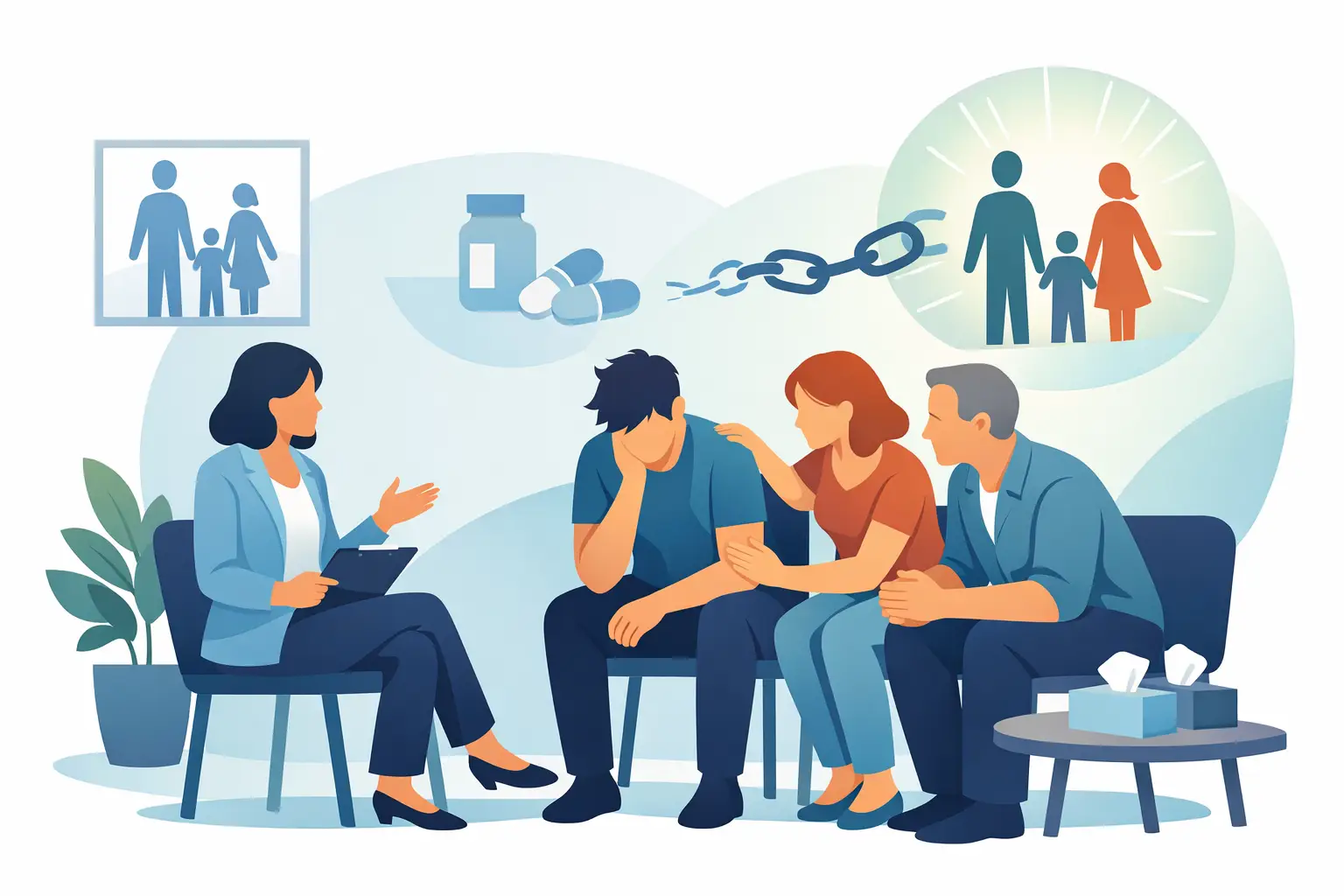
When addiction has affected a household, everyone may be carrying a different version of the pain. One person may feel frightened and exhausted. Another may be angry, distant, or unsure what to believe. The person seeking treatment may feel ashamed, defensive, or deeply alone. Family therapy for addiction recovery gives these experiences a place to be heard with structure, compassion, and clear clinical guidance.
Recovery is personal, but it rarely happens in isolation. Substance use can change communication, routines, finances, trust, and the sense of safety within a family. Thoughtful family involvement helps loved ones move beyond crisis management and toward healthier ways of supporting recovery without losing themselves in the process.
Why Addiction Affects the Whole Family
Addiction can gradually reshape family roles. A parent may begin checking on an adult child constantly. A spouse may take on more responsibilities while trying to conceal the problem from friends or coworkers. Children may become watchful, quiet, or overly responsible. These responses often begin as attempts to keep the family functioning, yet over time they can create resentment, confusion, and isolation.
No family causes addiction through a single mistake, and no family can control another person into recovery. Addiction is a complex health condition shaped by biological, psychological, social, and environmental factors. At the same time, the home environment can either support new recovery behaviors or unintentionally reinforce old patterns.
Family therapy offers a respectful way to look at those patterns. The goal is not to assign blame or force a quick reconciliation. It is to help each person understand what has happened, communicate more honestly, and make practical changes that protect recovery and family well-being.
What Family Therapy for Addiction Recovery Looks Like
Family therapy is guided by a trained clinician who understands addiction, mental health, trauma, and family systems. Sessions may include a spouse or partner, parents, adult children, siblings, or trusted chosen family. Who participates depends on the client’s circumstances, treatment goals, safety needs, and willingness to engage.
In residential treatment, family sessions are often part of a broader, personalized care plan. Individual therapy gives the client room to address personal history, triggers, mental health symptoms, and recovery goals. Group therapy builds peer connection and accountability. Family work focuses on the relationships that will matter when the client returns to everyday life.
Early sessions may center on education. Loved ones can learn how substance use affects the brain and behavior, why relapse risk can be high during early recovery, and what treatment and aftercare are designed to address. This knowledge does not erase the harm caused by addiction, but it can replace some fear and misinformation with a more realistic path forward.
As trust develops, conversations can become more direct. A therapist may help a family member express the impact of broken promises without shaming the person in treatment. The client may have an opportunity to acknowledge harm, listen without immediately defending themselves, and practice accountability. These conversations are not always easy. They are often among the most meaningful work a family can do.
Rebuilding Trust Takes More Than an Apology
Trust is rebuilt through consistent behavior over time. Family therapy can help people define what consistency needs to look like after treatment. That might include attending recovery meetings, following an aftercare plan, participating in outpatient care, being transparent about a lapse, or respecting agreed-upon household expectations.
Loved ones also need room to set their own limits. Supporting recovery does not mean ignoring concerning behavior, lending money without boundaries, or accepting verbal abuse. Healthy boundaries are not punishments. They are clear statements about what each person needs to feel safe and respected.
For example, a family may agree that a client can return home only if they continue recommended care and keep alcohol or drugs out of the home. Another family may decide that financial help will be limited to treatment-related needs. The right plan depends on each family’s circumstances, but clarity is more helpful than vague promises made in an emotional moment.
Learning a Different Way to Communicate
Many families have spent months or years communicating through conflict, avoidance, ultimatums, or secrecy. Therapy creates a more productive framework. Instead of saying, “You never care about anyone but yourself,” a loved one might learn to say, “When you disappeared and did not answer your phone, I felt scared and unsure how to help.”
This shift may seem small, but it changes the conversation. It makes space for honesty while reducing blame and escalation. Clients can also practice stating what they need from loved ones, such as encouragement to attend treatment, time to decompress after a difficult therapy session, or respect for their privacy around recovery.
Communication skills do not make conflict disappear. They help families handle conflict without returning to the patterns that made everyone feel unsafe or unheard.
When Family Participation Needs Careful Planning
Family therapy is valuable, but it is not appropriate in every form for every family. When there is ongoing violence, coercion, active abuse, severe untreated mental illness, or a serious risk to someone’s safety, clinicians may recommend a different approach. Individual support, carefully structured contact, or limited participation may be the healthier choice.
Families also do not need to be close or traditional to benefit. Some clients are estranged from relatives or have chosen friends, partners, mentors, or other supportive people who function as family. What matters is identifying relationships that can support dignity, accountability, and sustained recovery.
It also depends on readiness. A loved one may need their own counseling before they can participate in difficult conversations. A client may need time in detoxification and stabilization before family work can be productive. Responsible treatment honors this pace rather than pushing people into emotionally charged sessions before they are prepared.
Extending Recovery Beyond Residential Treatment
The transition home can be hopeful and vulnerable. A person may leave a structured setting with greater clarity, while their family is still learning how to relate to them without the constant urgency of active addiction. Aftercare planning helps bridge that gap.
A strong plan may include ongoing therapy, recovery support meetings, medication management when clinically appropriate, alumni connection, and scheduled family check-ins. Families can discuss warning signs early, before a problem becomes a crisis. They can also decide who to call and what steps to take if cravings intensify, mental health symptoms return, or a relapse occurs.
Relapse does not mean treatment was meaningless or that a family has failed. It does mean the recovery plan needs immediate attention, honesty, and professional support. Families are better equipped to respond when they have discussed this possibility calmly in advance rather than making decisions in the middle of fear.
At Harlow Gardens, family involvement is approached as part of comprehensive, individualized care. In a private and supportive residential setting, clients and their loved ones can begin practicing the skills that make lasting transformation more possible: truthful communication, consistent boundaries, compassion, and accountability.
A Healthier Role for Loved Ones
Family members often arrive at treatment carrying an impossible responsibility: the belief that they must keep the person they love sober. Family therapy helps replace that burden with a healthier role. Loved ones can offer encouragement, notice changes, uphold boundaries, and participate in their own healing. They cannot do recovery for someone else.
That distinction can bring relief. It allows family members to reclaim sleep, work, friendships, and their own emotional health without abandoning the person in treatment. It also gives the client the dignity of taking responsibility for their recovery, supported by people who care but are no longer trapped in crisis-driven patterns.
Healing a family is rarely a single conversation or a perfect return to how things once were. It is a series of honest choices, practiced over time. With professional support and a shared commitment to healthier patterns, families can become a source of resilience as recovery takes root.
Book a Consultation
It’s easy and free!