Learn how a 12 step residential treatment program combines personalized clinical care, peer support, and aftercare for lasting recovery with confidence.

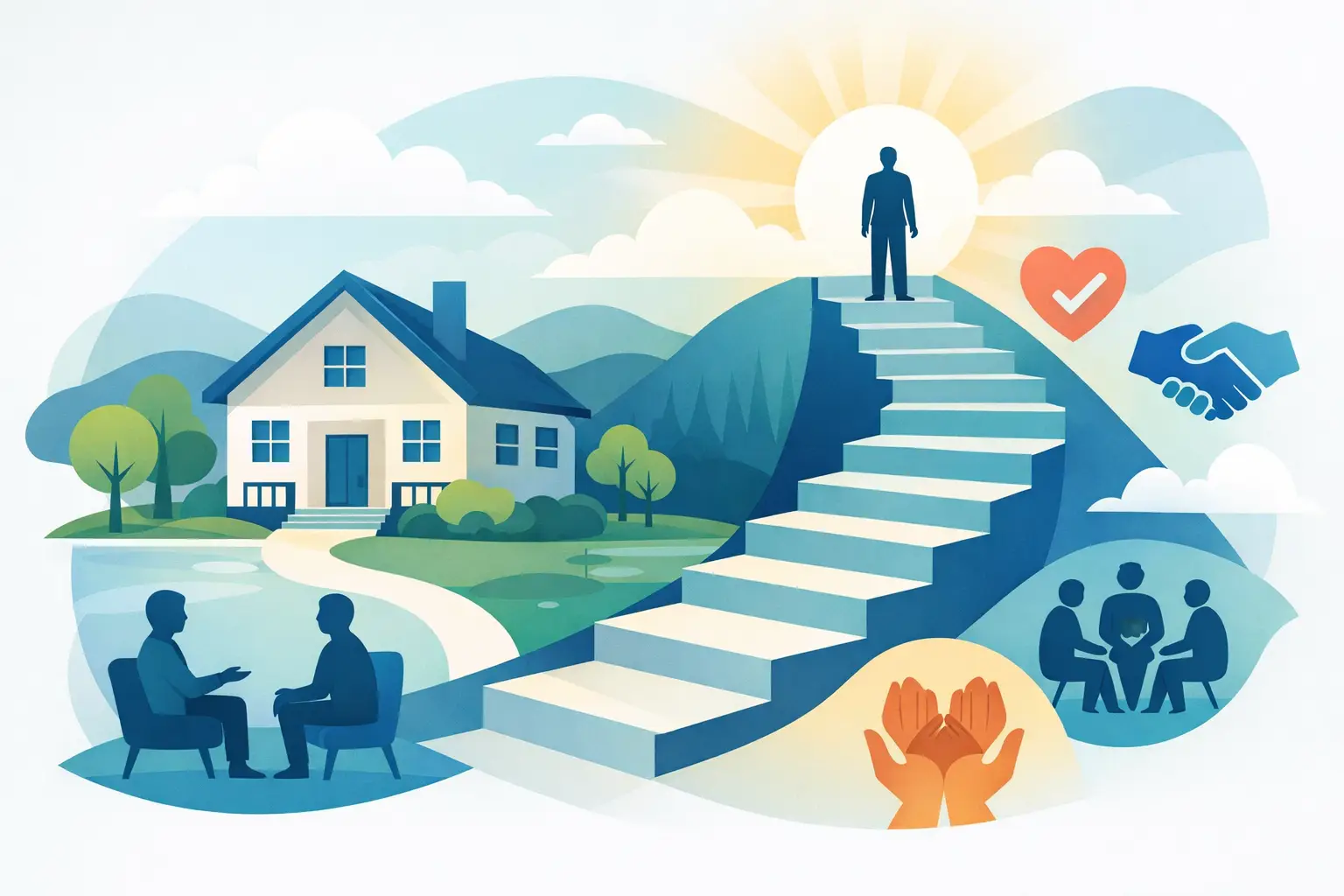
When alcohol or drug use has become difficult to control, recovery often requires more than the intention to stop. A 12 step residential treatment program gives adults time away from daily triggers, access to professional care, and a supportive community in which to begin living differently. It brings the practical structure of residential rehab together with the spiritual and peer-centered principles that have helped many people sustain long-term recovery.
For someone in crisis, or for a family watching a loved one struggle, the question is not simply whether the 12 steps work. The more useful question is whether the program provides safe, individualized clinical care while helping each person build a recovery practice they can continue after treatment.
What a 12 Step Residential Treatment Program Provides
Residential treatment is a live-in level of care for people who need consistent support as they step away from substances. Clients live at the treatment center for a defined period while participating in a structured schedule of therapy, recovery education, wellness activities, and community connection. This setting can be especially helpful after relapse, during escalating substance use, or when outpatient treatment has not offered enough stability.
The 12-step philosophy adds a framework for ongoing recovery. It encourages honesty, accountability, connection with others in recovery, and a willingness to seek support beyond oneself. Although the language and experience of the steps are personal, their central purpose is straightforward: to help people move from isolation and compulsive behavior toward responsibility, humility, repair, and purpose.
A quality program does not treat the 12 steps as a substitute for clinical treatment. Addiction can involve withdrawal risks, depression, anxiety, trauma, sleep disruption, family strain, and co-occurring behavioral health concerns. Effective residential care addresses these needs through evidence-based therapies, professional assessment, individualized treatment planning, and coordinated medical support when appropriate.
Recovery Begins With Safety and Stabilization
For many people, treatment begins with detoxification. Withdrawal from alcohol, benzodiazepines, and certain other substances can be medically serious, and attempting to detox alone may be unsafe. A clinically supervised detox process helps clients stabilize physically and prepares them to participate more fully in residential rehabilitation.
Once withdrawal symptoms are managed, the deeper work can begin. Early recovery often brings emotions that substances once concealed: grief, fear, anger, shame, or uncertainty about the future. A compassionate treatment environment gives clients room to face those feelings without judgment while developing healthier ways to respond.
At Harlow Gardens, care is designed to honor both the urgency of early recovery and the dignity of the person seeking help. The goal is not to reduce someone to a diagnosis or a series of past mistakes. It is to create a private, supportive setting where lasting transformation can take root.
Clinical Care and the 12 Steps Work Together
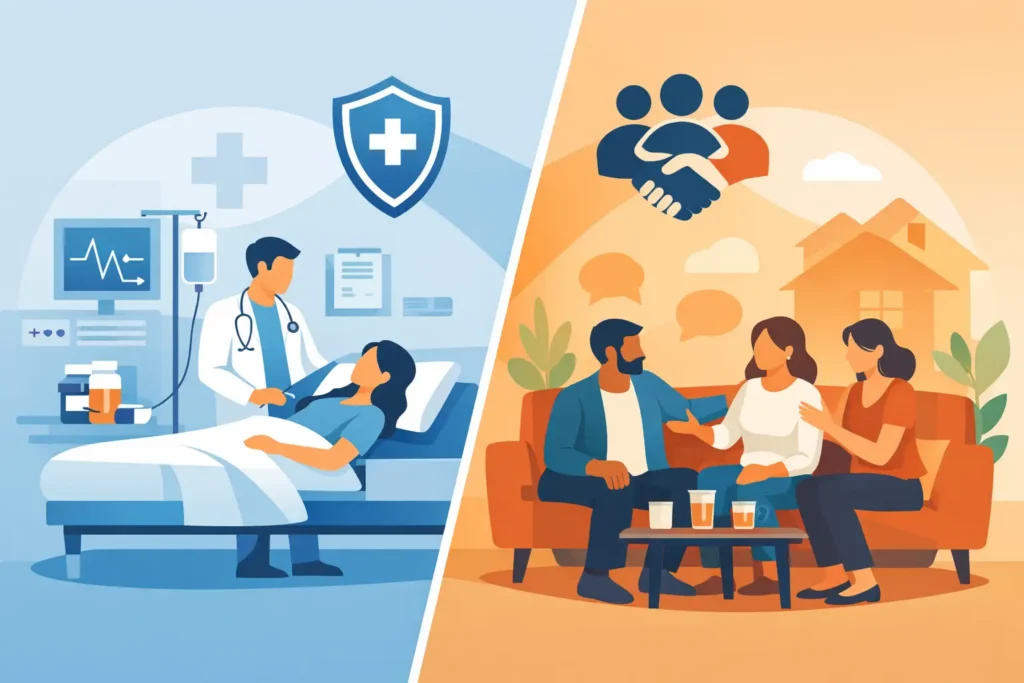
The strongest 12-step residential programs combine recovery fellowship with therapies that address the patterns beneath substance use. Individual therapy offers a confidential place to examine personal history, mental health concerns, trauma, relapse patterns, and treatment goals. Group therapy helps clients practice communication, receive honest feedback, and recognize that they are not alone in what they have experienced.
Depending on individual needs, treatment may also include cognitive behavioral approaches, relapse prevention education, family therapy, medication support, and wellness programming. These services are not separate from recovery. They strengthen it by helping clients identify triggers, challenge unhelpful thinking, regulate stress, and make decisions aligned with their values.
The 12 steps can provide a language for accountability and connection, while clinical therapy offers tools for emotional regulation and behavioral change. One person may find great comfort in meetings and sponsorship. Another may initially feel hesitant about the spiritual elements of the program. Experienced clinicians can help clients engage with the principles in a way that is respectful, meaningful, and consistent with their beliefs.
What Daily Life in Residential Treatment Can Look Like
Structure is one of the greatest benefits of residential care. Active addiction can make daily life feel unpredictable, with sleep, nutrition, relationships, work, and personal responsibilities falling out of balance. A consistent schedule helps restore a sense of safety and momentum.
Days generally include individual and group therapy, recovery-focused education, 12-step meetings or step work, meals, time for reflection, and wellness activities. Clients may also participate in family sessions and planning for the transition home. The exact schedule varies, because personalized care matters more than a rigid one-size-fits-all routine.
Comfort has a meaningful role in this process. Nutritious chef-prepared meals, restorative surroundings, and space for quiet reflection are not luxuries that replace treatment. They can help clients feel grounded enough to remain present in difficult therapeutic work. In a serene residential setting, people often begin to reconnect with basic routines and personal well-being that addiction disrupted.
The Value of Community and Accountability
Addiction frequently thrives in secrecy. Residential treatment interrupts that isolation by placing clients among peers who understand the courage it takes to ask for help. In groups and recovery meetings, clients can speak honestly, listen without needing to fix one another, and see evidence that change is possible.
Community does not mean that everyone has the same story. Recovery is personal, and each client arrives with different substances, relationships, mental health needs, and life circumstances. What they can share is the practice of showing up, telling the truth, and accepting support.
Accountability is equally important. In a 12-step setting, accountability is not punishment or shame. It is the ability to recognize the impact of one’s actions, make amends where appropriate, and choose a different response the next time a trigger appears. This work takes time, guidance, and compassion.
Family Involvement Can Support Healing
Substance use affects entire families, not only the person using drugs or alcohol. Loved ones may feel frightened, exhausted, resentful, or unsure how to help without enabling. Clients may carry guilt or feel misunderstood. Family therapy can provide a more productive space to address these realities.
When clinically appropriate, family involvement helps relatives learn about addiction, recovery boundaries, communication, and relapse warning signs. It also gives clients an opportunity to rebuild trust gradually. Reconciliation cannot be forced, and some relationships require careful limits. Still, involving loved ones in the recovery process can reduce confusion and create stronger support after discharge.
Choosing the Right 12 Step Residential Program
Not every residential program offering a 12-step approach provides the same level of care. Families and prospective clients should look beyond the setting alone and ask how treatment is personalized, who provides clinical oversight, and how co-occurring mental health concerns are addressed.
A program should be able to explain its detox process, therapeutic services, treatment planning, family options, privacy practices, and discharge planning. It should also be clear about how it supports clients who have relapsed or who need more intensive stabilization. Insurance verification and admissions support can make the practical steps feel less overwhelming during an already stressful time.
The right fit depends on the person. Some people need a setting with medical detox before rehabilitation. Others need focused support for anxiety, depression, or trauma alongside addiction treatment. For many, a private and community-centered environment offers the balance of comfort, professional guidance, and accountability needed to stay engaged.
Recovery Must Continue After Residential Care
Residential treatment provides a foundation, but it is not the finish line. Returning home can bring familiar pressures, relationships, places, and emotions. Without a plan, even meaningful progress can feel fragile.
A thoughtful aftercare plan may include outpatient therapy, psychiatric care when needed, alumni support, ongoing 12-step meetings, a sponsor, recovery housing, family support, and strategies for managing triggers. The plan should be specific to the client’s life, including employment, transportation, home environment, and the people they can call when cravings or emotional distress rise.
The most hopeful next step is often a simple one: accept support before the consequences become more severe. Recovery does not require perfection or a complete map of the future. It begins with a safe place, an honest conversation, and the willingness to take the next right step.
Book a Consultation
It’s easy and free!