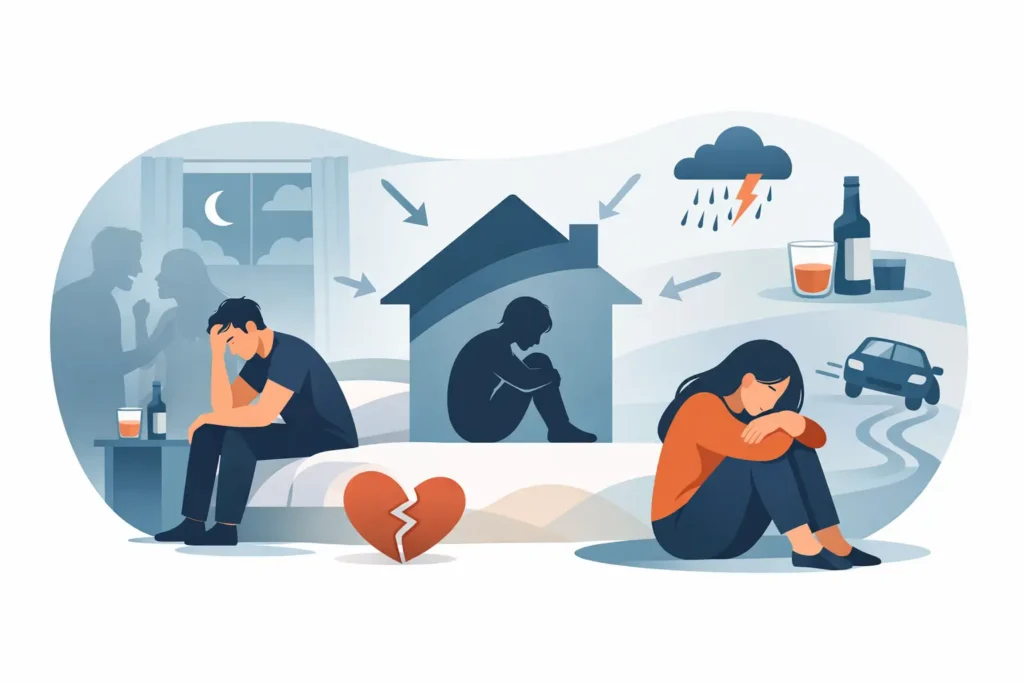
Find a confidential addiction treatment center that protects your privacy while offering compassionate, evidence-based care for lasting recovery and hope.


When alcohol or drug use has reached a point where help is needed, the fear of being recognized, judged, or exposed can keep people from making the call. A confidential addiction treatment center offers more than discretion. It provides a protected place to step away from daily pressures, receive honest support, and begin recovery with dignity.
For many adults and families, privacy is not about hiding a problem. It is about having the emotional safety to address it fully. Whether someone is a professional, a parent, a public-facing leader, or simply not ready to share their situation widely, treatment should make room for healing without unnecessary exposure.
What Confidential Care Should Mean
Confidential treatment begins with respect for a client’s personal information, treatment participation, and recovery story. A reputable residential program follows privacy laws and professional ethical standards, limits access to health information, and discusses communication preferences before treatment begins.
Yet confidentiality should not be confused with isolation. Recovery often becomes stronger when clients can participate in a supportive therapeutic community, build trust with peers, and involve chosen family members when appropriate. The goal is to give each person meaningful control over who knows what, while ensuring they do not have to carry addiction alone.
A private setting also matters. The right environment can reduce the noise and demands that often make it difficult to stop using. Instead of trying to manage withdrawal, work responsibilities, family conflict, and cravings all at once, clients have space to focus on stabilization and the work of recovery.
Why Privacy Can Make It Easier to Ask for Help
Shame has a way of making addiction feel like a personal failure rather than a treatable health condition. People may delay care because they worry about professional consequences, relationships, social stigma, or being seen entering a facility. Those concerns are real, and they deserve a thoughtful response.
A confidential addiction treatment center can help lower the barriers to admission by providing a calm, respectful process. Admissions professionals should explain what information is needed, how insurance verification works, what belongings to bring, and how contact with employers or loved ones will be handled. Clear answers replace uncertainty with a plan.
Privacy also gives clients permission to be candid. Treatment is most useful when a person can speak openly about substance use, trauma, anxiety, depression, relapse, relationship strain, and the patterns that have kept them stuck. Compassionate clinicians do not require perfection. They help clients understand what is happening and identify the next right step.
Privacy Is One Part of Quality Treatment
Discretion alone is not enough. A peaceful residence may feel reassuring, but the clinical foundation of care matters just as much. Addiction can involve dangerous withdrawal symptoms, co-occurring mental health concerns, and relapse risks that need professional attention.
Before choosing a program, ask whether it offers medically supported detoxification when needed and a structured residential level of care. Detox is often the first step, not the whole solution. Once the immediate physical effects of substance use begin to stabilize, clients need time and guidance to understand cravings, practice coping skills, rebuild routines, and develop a sustainable recovery plan.
Personalized treatment planning is essential because no two recovery histories are identical. One client may need support after years of alcohol dependence and escalating anxiety. Another may be returning to treatment after a relapse connected to grief, chronic pain, or an untreated behavioral health condition. Effective care addresses substance use and mental health together rather than treating either concern in isolation.
Evidence-based therapies, individual counseling, group therapy, and family therapy can each have a role. A 12-step-based philosophy may also offer structure, humility, peer connection, and a practical framework for continued recovery. The most appropriate blend depends on the individual, their clinical needs, and their willingness to engage.
The Value of a Residential Sanctuary
Residential treatment creates a meaningful separation from the people, places, and habits that can reinforce substance use. This does not mean avoiding life forever. It means gaining enough stability to return to life with more awareness, support, and resilience.
The setting should feel comfortable without losing structure. Restful surroundings, nourishing chef-prepared meals, wellness activities, and opportunities for reflection can support the physical and emotional restoration that addiction often disrupts. These elements are not substitutes for therapy or clinical oversight. They strengthen a comprehensive treatment experience by helping clients reconnect with sleep, nutrition, movement, and self-respect.
At Harlow Gardens in Palm Springs, confidential residential care is designed to pair this sense of sanctuary with accountable, evidence-based support. Clients are invited to participate in a community where recovery is taken seriously and each person is treated as more than a diagnosis or a difficult chapter.
Questions to Ask Before Admission
Choosing a treatment program can feel urgent, especially when substance use is escalating or a loved one is in crisis. It is still reasonable to ask direct questions. The answers can reveal whether a center has the professionalism, warmth, and clinical depth your situation requires.
Ask how the program protects client privacy during admission, treatment, and communication with family members. Find out whether detoxification is available, how medical and behavioral health needs are assessed, and who develops the individualized care plan. Ask about staff credentials, daily structure, therapy options, and the approach to co-occurring conditions.
It is also wise to discuss practical details. Does the center work with most PPO insurance plans? Can the admissions team verify benefits before arrival? What happens if a client needs a higher level of medical care? How are medications managed? These are not minor questions. Clear, straightforward responses are signs of an organized program that respects clients and families.
Finally, ask what happens after residential treatment. A stay in treatment can be life-changing, but lasting transformation requires continuity. Strong programs begin aftercare planning well before discharge and help clients identify outpatient therapy, recovery meetings, psychiatric care when appropriate, sober supports, and healthy routines for the transition home.
Family Involvement Without Losing Boundaries
Families often carry worry, exhaustion, and unanswered questions long before a loved one enters treatment. They may want regular updates or feel responsible for ensuring recovery succeeds. At the same time, adult clients have privacy rights and need the space to speak freely in treatment.
A thoughtful program balances both needs. With client consent, family therapy and education can help loved ones understand addiction, communication patterns, boundaries, and relapse warning signs. Without consent, treatment providers must still honor confidentiality. This can be painful for families, but it protects the trust that makes honest treatment possible.
Family participation is helpful when it is supportive, safe, and guided by clinical judgment. In some circumstances, a client may need to limit contact temporarily to focus on stabilization. The right decision depends on the relationship, the client’s safety, and the stage of recovery.
Recovery Continues After the Private Setting
The transition out of residential care can bring relief and apprehension at the same time. Home, work, relationships, and familiar stressors return quickly. That is why discharge should never feel like being sent away with only good intentions.
A practical aftercare plan identifies specific supports: appointments, meeting schedules, medication follow-up, recovery peers, family boundaries, and a response plan for cravings or relapse triggers. Alumni connection can be especially valuable because it reminds people that recovery is not a solitary achievement. It is a practice strengthened through accountability and community.
Seeking confidential care is not a sign that someone has failed to manage alone. It is a decision to protect their health, relationships, and future with the seriousness they deserve. The first conversation can remain private, but it can also become the beginning of a life supported by purpose, connection, and hope.
Book a Consultation
It’s easy and free!