Holistic addiction treatment programs combine clinical care, wellness, family support, and aftercare to help people build lasting, meaningful recovery.


A person can stop using substances and still feel overwhelmed by the life waiting outside treatment. Sleep may be disrupted. Relationships may be strained. Anxiety, grief, trauma, or depression may still be close at hand. Holistic addiction treatment programs are designed for this reality: recovery must support the whole person, not only the substance use.
For many individuals and families, the question is not whether treatment is needed. It is whether treatment will be personal enough, structured enough, and compassionate enough to create real change. The strongest programs bring clinical expertise and human connection together, helping each client restore health, dignity, resilience, and purpose.
What Holistic Addiction Treatment Programs Actually Include
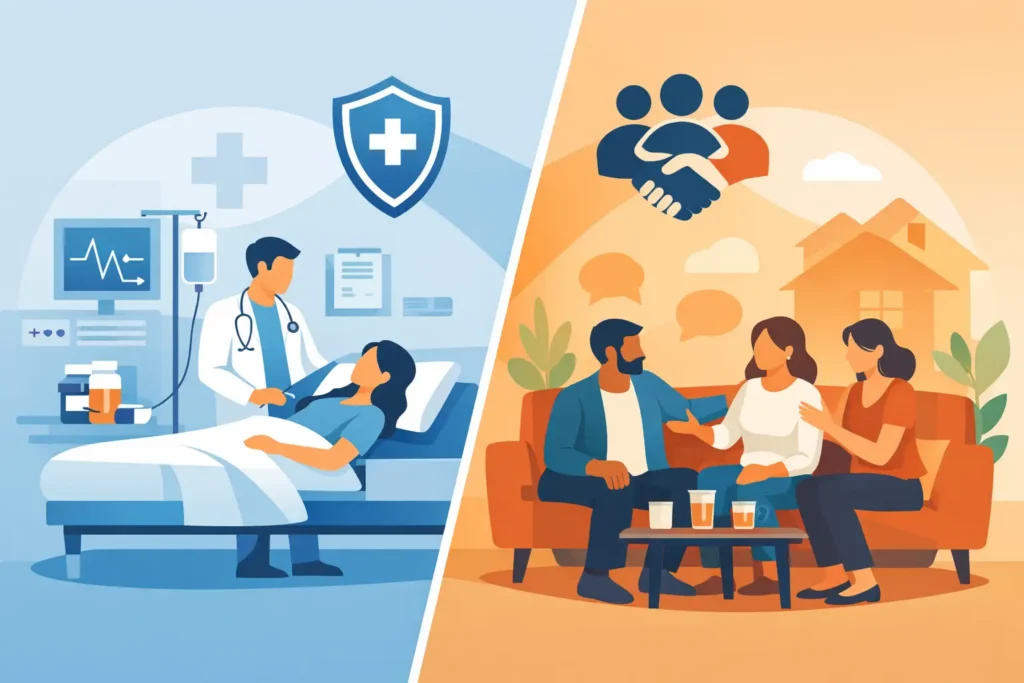
Holistic care is sometimes misunderstood as an alternative to evidence-based addiction treatment. It should not be. A credible holistic program uses proven clinical services as its foundation, then integrates wellness, emotional support, spiritual reflection, community, and practical recovery planning around that care.
At the start, this often means a careful assessment of substance use, mental health symptoms, medical needs, family circumstances, previous treatment experiences, and immediate safety concerns. Each client deserves a treatment plan shaped by their history rather than a standard schedule applied to everyone.
For someone who needs detoxification, medical and clinical oversight can be essential. Withdrawal from alcohol, benzodiazepines, opioids, and other substances can be physically difficult and, in some cases, dangerous. Detox is an important first step, but it is not the full work of recovery. Once a person is stabilized, residential treatment can provide the time, structure, and support needed to understand what has been driving the cycle of use.
A comprehensive program may include individual therapy, group therapy, family therapy, psychiatric support when appropriate, relapse-prevention education, and 12-step-based recovery principles. Wellness programming, nourishing meals, movement, rest, and opportunities for reflection can reinforce these services by helping clients reconnect with their bodies and establish routines that support emotional regulation.
The value is not in offering as many activities as possible. It is in choosing services that work together. A client with untreated trauma may need therapy that builds safety before deeper processing. A person returning after relapse may need more intensive accountability and a clearer continuing-care plan. Someone whose substance use has isolated them from loved ones may benefit from thoughtfully guided family involvement.
Why Whole-Person Care Matters in Early Recovery
Addiction affects far more than a person’s use of drugs or alcohol. It can affect sleep, appetite, concentration, work, parenting, finances, relationships, self-trust, and the ability to manage everyday stress. Treating only the visible behavior can leave the conditions beneath it untouched.
Whole-person care recognizes that recovery has physical, emotional, social, and spiritual dimensions. The word spiritual does not require a specific religious belief. For some people, it means reconnecting with faith. For others, it means finding values, meaning, service, or a sense of belonging beyond addiction.
This approach is especially valuable when substance use and behavioral health concerns are intertwined. Depression may have made alcohol feel like relief. Chronic anxiety may have contributed to prescription drug misuse. Trauma may have made it difficult to feel safe without substances. Effective care does not reduce a person to a diagnosis. It addresses the patterns, pain, and circumstances that have made recovery difficult to sustain.
A serene residential setting can also matter more than families initially realize. Early recovery asks a great deal of the nervous system. Privacy, consistency, healthy meals, comfortable surroundings, and a respectful community can help clients settle enough to participate honestly in treatment. Comfort is not a substitute for clinical care, but it can make it easier to receive it.
Community Creates Accountability Without Shame
Addiction often grows in isolation. People may hide their use, withdraw from family, or feel certain that no one could understand what they have done or endured. In a well-led treatment community, clients can begin to see that they are not alone while still being accountable for the choices ahead.
Group therapy and peer connection offer a place to practice honesty, listen to others, and receive support from people who recognize the daily reality of recovery. The goal is not forced vulnerability. It is a culture where truth can be spoken without humiliation and where progress is encouraged without pretending that change is easy.
A 12-step-based philosophy can provide an additional framework for this work. It invites humility, responsibility, connection, and ongoing action. It will resonate strongly with some clients, while others may need time to find their own relationship to its principles. Quality care makes room for thoughtful engagement while keeping the focus on abstinence, recovery skills, and sustained participation in a supportive community.
Family Healing Needs Structure
Families are often carrying fear, exhaustion, anger, and unanswered questions. They may have tried to help in ways that unintentionally protected the addiction, or they may be unsure how to rebuild trust after repeated broken promises. Their pain deserves acknowledgment as well.
Family therapy and education can create a more stable path forward. These conversations are not meant to assign blame or demand instant forgiveness. They can help families understand addiction, strengthen communication, establish healthy boundaries, and identify what support will look like after treatment. When family participation is safe and appropriate, it can be a meaningful part of lasting transformation.
How to Evaluate a Holistic Residential Program
The phrase “holistic” should never be used to make care sound gentler than it is. Addiction treatment must be compassionate, but it must also be clinically responsible. When comparing programs, ask how they assess medical and mental health needs, how treatment plans are individualized, and what licensed professionals guide care.
Ask what happens after detox. Some settings offer only short-term stabilization, while others provide residential rehabilitation with therapy, structured daily programming, and support for the transition home. The right level of care depends on the substance involved, withdrawal risk, mental health needs, relapse history, home environment, and the person’s ability to remain safe and engaged outside a structured setting.
It is also wise to ask how the program handles co-occurring concerns such as anxiety, depression, trauma, or emotional distress. A program does not need to promise that every problem will be solved during one stay. It should be able to explain how it identifies these concerns, integrates them into treatment, and connects clients to appropriate ongoing care.
Finally, look closely at aftercare. Discharge should not feel like stepping off a cliff. A thoughtful continuing-care plan may include outpatient therapy, recovery meetings, alumni connection, family support, medication follow-up when needed, sober living referrals, and a plan for managing triggers. Recovery is strengthened by continuity, not by a single episode of treatment.
Recovery Becomes Real in Daily Practice
Holistic treatment is not about creating a perfect life before discharge. It is about helping a person leave with greater stability, insight, and a practical plan for the difficult moments that will come. Clients learn to recognize triggers, tolerate discomfort without escaping it, ask for help sooner, and build routines that protect recovery.
At Harlow Gardens, this work is supported through personalized, evidence-based residential care in a private Palm Springs setting. Clients can receive compassionate support for addiction and behavioral health concerns while rebuilding the habits and relationships that make recovery more sustainable.
If you are seeking help for yourself or someone you love, you do not need to wait until the consequences become more severe. A confidential conversation with an experienced admissions professional can clarify treatment options, insurance considerations, and the level of support that may be needed. The next right step may simply be choosing a place where healing is treated with both urgency and respect.
Book a Consultation
It’s easy and free!