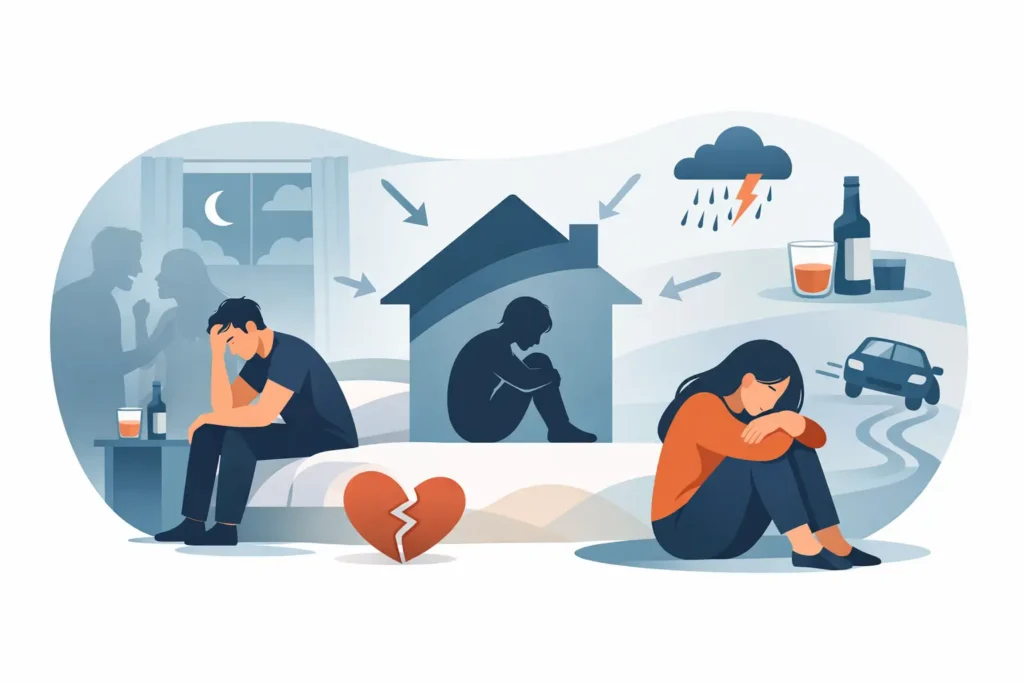
Alcohol detox Palm Springs care offers medical oversight, privacy, and a personalized path from withdrawal to residential treatment and lasting recovery support.


A person can look outwardly fine while their body is struggling to function without alcohol. For many individuals and families searching for alcohol detox Palm Springs services, the immediate question is not whether recovery is needed. It is how to begin safely, privately, and with the dignity every person deserves.
Alcohol withdrawal can be unpredictable. What starts as anxiety, shaking, nausea, sweating, or insomnia may become medically serious, particularly after sustained or heavy alcohol use. A professionally structured detox setting gives people a protected place to stabilize while experienced clinicians assess their needs and prepare them for the work that follows.
Why Alcohol Detox Requires Professional Support
Alcohol affects the brain, nervous system, sleep, mood, and many systems that regulate the body. When alcohol use stops suddenly, the body may react as it adjusts to functioning without it. Withdrawal experiences vary widely based on the amount and duration of use, previous withdrawal history, physical health, medications, and co-occurring mental health concerns.
Some people experience uncomfortable but manageable symptoms. Others may face severe complications, including confusion, hallucinations, seizures, or delirium tremens. This is why attempting detox alone can be risky. Even when a person is determined to stop drinking, determination does not replace medical assessment, monitoring, or compassionate clinical care.
A residential detox program can provide a calm, structured response during a vulnerable time. Rather than asking someone to manage fear, cravings, and physical symptoms in isolation, the care team can monitor progress, coordinate appropriate support, and adjust the plan as needs become clearer.
If someone is experiencing seizures, severe confusion, hallucinations, chest pain, difficulty breathing, or thoughts of self-harm, emergency medical help is needed immediately. Safety comes first.
What Alcohol Detox in Palm Springs Can Offer
The setting matters, especially when a person is exhausted, ashamed, frightened, or unsure they can follow through. Palm Springs offers a quieter environment away from familiar triggers and daily pressures. For some people, traveling a short distance from home creates enough separation to focus fully on stabilization. For others, staying near Southern California family and professional obligations makes the region a practical choice.
At a quality residential program, detox is not treated as an isolated event. It is the first phase of comprehensive addiction treatment. The goal is to help the body stabilize while beginning to understand the patterns, emotional pain, relationships, and behavioral health concerns connected to alcohol use.
Privacy and comfort also have real clinical value. A person who feels respected is more likely to be honest about their drinking, mental health symptoms, medication needs, and fears about recovery. That honesty supports safer decisions and a more personalized care plan.
A personalized assessment from the beginning
No two alcohol use histories are identical. A thorough intake process considers current symptoms, alcohol use patterns, prior treatment, mental health history, family dynamics, trauma exposure, and practical needs such as employment or insurance coverage. This assessment helps clinicians determine the appropriate level of care and identify concerns that may require closer attention.
For someone with anxiety, depression, grief, trauma, or another behavioral health condition, treatment should address more than alcohol use alone. When underlying concerns are ignored, the risk of returning to alcohol as a form of relief can remain high. Integrated care recognizes that recovery involves the whole person.
Structure during the most vulnerable days
Early recovery can feel disorienting. Sleep may be disrupted. Emotions can surface quickly. Cravings may come in waves, and the mind may search for reasons to postpone treatment. A residential setting provides daily structure when internal stability is still developing.
That structure can include clinical observation, individual support, group therapy, healthy meals, rest, wellness activities, and time to reconnect with basic routines. It is not about punishment or loss of independence. It is about creating enough safety and consistency for the nervous system and mind to begin settling.
Detox Is the Beginning, Not the Finish Line
Completing withdrawal management is meaningful, but detox alone rarely resolves alcohol addiction. Once the immediate physical effects of withdrawal subside, a person still needs support to understand why drinking became so central, how to respond to cravings, and what to do when stress or painful emotions return.
Residential rehabilitation builds on the foundation created in detox. Evidence-based therapy can help clients identify triggers, challenge destructive thought patterns, build coping skills, and practice more honest communication. Group therapy offers the relief of discovering that recovery does not have to be a solitary effort. Family therapy can begin repairing trust and help loved ones learn how to support recovery without enabling substance use.
A 12-step-based recovery philosophy can also provide practical guidance, peer connection, and a renewed sense of purpose. It is not the only element of treatment, and each person’s relationship to it may look different. For many people, however, the principles of accountability, service, humility, and community become valuable anchors after they leave residential care.
Choosing an Alcohol Detox Program in Palm Springs
Families often have to make decisions quickly, sometimes after a frightening incident, a relapse, or a conversation that can no longer be postponed. It helps to ask direct questions. Is the program equipped to assess alcohol withdrawal safely? Does it offer a clear transition from detox into residential treatment when clinically appropriate? How are mental health needs incorporated into the treatment plan?
It is also reasonable to ask about the daily environment. Recovery is demanding work, and a setting should feel secure, respectful, and conducive to healing. Comfortable accommodations, nourishing chef-prepared meals, opportunities for wellness, and a peaceful atmosphere are not substitutes for clinical care. They can, however, help a person stay engaged in care during a difficult transition.
Continuity matters just as much as the first few days. A thoughtful program should begin aftercare planning well before discharge. That may include outpatient therapy, recovery meetings, psychiatric follow-up, family involvement, alumni connection, sober living considerations, and a plan for responding to cravings or relapse risk. The best next step depends on the individual, but leaving treatment without a plan can make early recovery unnecessarily fragile.
Insurance is another practical concern. Many people delay treatment because they assume quality residential care is out of reach. Asking for a confidential benefits review can clarify what a PPO plan may cover, what costs may remain, and which treatment options fit the clinical situation. Financial questions deserve clear answers, without pressure or judgment.
A Sanctuary for Honest Recovery
At Harlow Gardens, care is designed to meet people with compassion while holding space for accountability and lasting transformation. Clients receive individualized, evidence-based support within a private residential environment where clinical care, community, wellness, and recovery principles work together.
The aim is not to promise an effortless path. Recovery asks for courage, honesty, and continued participation long after detox is complete. But it also offers something alcohol cannot provide: the chance to restore health, rebuild relationships, and live with greater clarity and purpose.
For the person who is afraid to stop drinking, or the family member who is afraid of what may happen next, reaching out for professional guidance can be a meaningful first act of resilience. A safe place to begin can make room for everything that recovery may become.
Book a Consultation
It’s easy and free!