Understand detox versus addiction rehabilitation, how each level of care supports recovery, and when residential treatment can provide a safer next step.

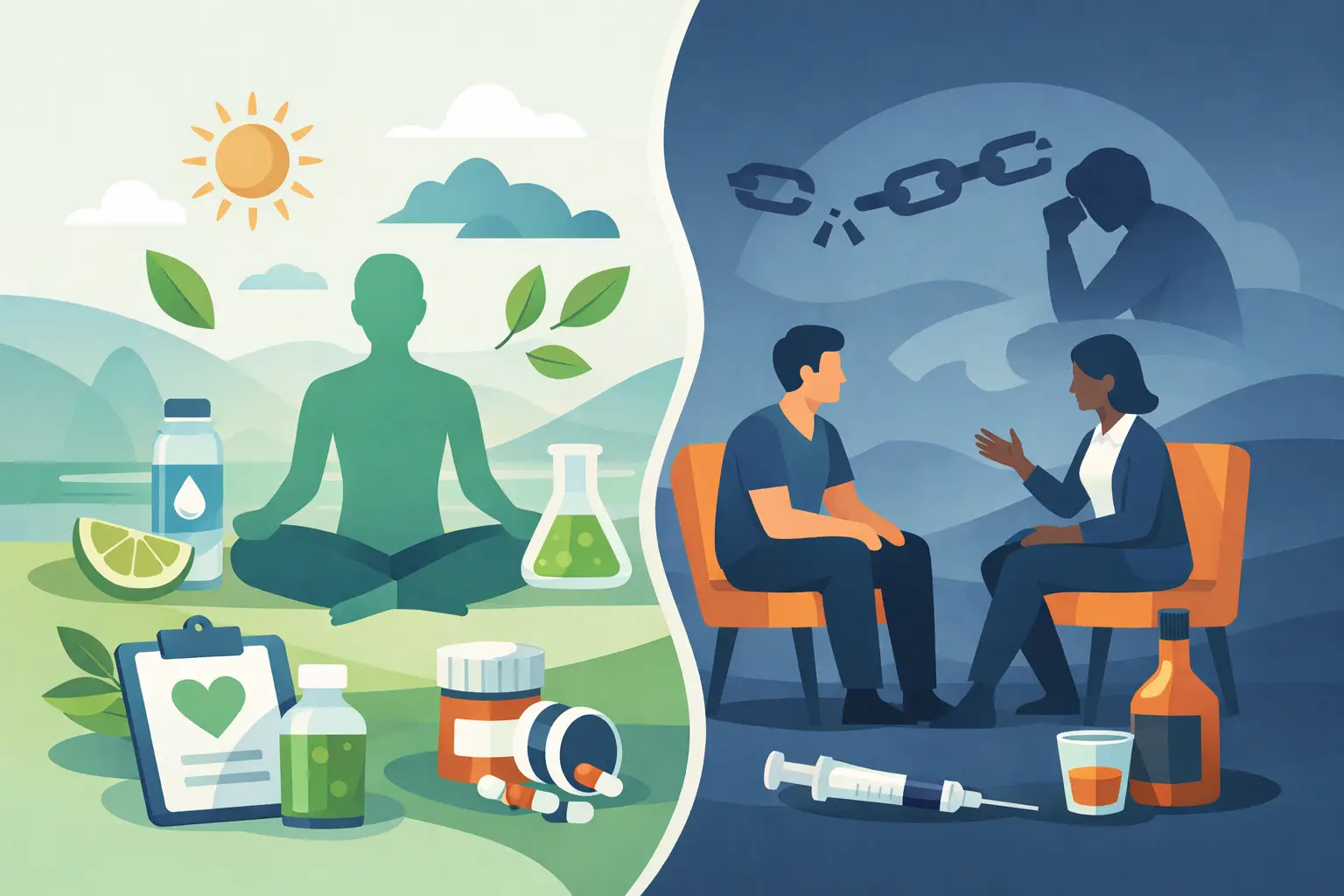
Someone can complete detox, feel physically clearer, and still feel deeply uncertain about how to live without drugs or alcohol. That gap is at the heart of detox versus addiction rehabilitation. Detox helps the body move through withdrawal. Rehabilitation helps a person build the insight, support, skills, and daily structure needed to protect recovery after withdrawal ends.
For individuals and families facing addiction, understanding the difference can make the next decision feel less overwhelming. Both services can be essential. They simply address different stages of the same recovery process.
What detoxification is designed to do
Detoxification, often called detox, is the process of safely clearing alcohol or drugs from the body while managing withdrawal symptoms. Depending on the substance used, the amount and frequency of use, medical history, and co-occurring mental health concerns, withdrawal can range from uncomfortable to medically serious.
Alcohol, benzodiazepines, opioids, and certain other substances may cause withdrawal symptoms that require close medical observation. Symptoms can include anxiety, insomnia, nausea, sweating, tremors, changes in heart rate or blood pressure, intense cravings, and, in some cases, seizures or delirium. A professional detox setting provides monitoring, clinical assessment, and, when appropriate, medication to support comfort and safety.
Detox is not a test of willpower. It is a clinical need for many people whose bodies have become dependent on a substance. Trying to stop suddenly alone can be risky, particularly after heavy or long-term alcohol or sedative use. If someone is experiencing severe confusion, seizures, chest pain, trouble breathing, or thoughts of self-harm, emergency help is needed immediately.
The goal of detox is stabilization. It helps a person become physically ready to participate in the deeper work of recovery. That is meaningful progress, but it is usually the beginning of treatment rather than the full course of treatment.
Detox versus addiction rehabilitation: the essential difference
The simplest distinction is that detox addresses acute withdrawal, while addiction rehabilitation addresses the patterns, pain, and circumstances that make continued recovery difficult.
Substance use disorders rarely exist in isolation. A person may be coping with grief, trauma, depression, anxiety, relationship conflict, chronic stress, loneliness, or a sense of lost purpose. They may have developed routines, friendships, environments, and thought patterns that repeatedly pull them toward use. Detox can interrupt the physical cycle, but it cannot fully resolve those underlying drivers in a few days.
Addiction rehabilitation creates the time and therapeutic structure to examine those drivers with honesty and compassion. In residential treatment, clients can step away from immediate triggers and focus on recovery in a private, supportive environment. Treatment plans are individualized, because the path forward for someone returning home after a first treatment episode may look different from the path for someone managing relapse after years of recovery.
Rehabilitation also brings accountability into the process. Recovery is not just about avoiding a substance. It is about learning how to respond differently when cravings, difficult emotions, conflict, or uncertainty arise. That work takes practice, feedback, and a community that understands what is at stake.
What happens during residential rehabilitation
After detoxification or once a client is medically stable, residential rehabilitation offers a structured setting for meaningful change. Days are purposeful without being punitive. The focus is on restoring stability while helping each person develop tools they can carry into life beyond treatment.
A comprehensive residential program may include individual therapy, group therapy, family therapy, psychiatric or behavioral health support, relapse-prevention planning, and 12-step-based recovery work. Evidence-based approaches can help clients identify harmful thought patterns, build emotional regulation skills, improve communication, and understand the relationship between mental health and substance use.
Group therapy is especially valuable because addiction often thrives in isolation. In a thoughtfully guided peer community, clients can speak honestly, listen to others with similar experiences, and practice connection without judgment. This does not mean every person must share before they are ready. It means they are no longer expected to carry the burden alone.
Wellness also has a place in effective rehabilitation. Nutritious meals, restorative sleep, movement, mindfulness, and time in a calm environment can help the nervous system begin to settle after the strain of active addiction. These supports are not replacements for clinical care. They strengthen it by helping clients reconnect with their physical health, dignity, and capacity for resilience.
When detox alone may not be enough
Some people complete detox and return quickly to familiar stressors, relationships, routines, and access to substances. Without continued support, the early days after withdrawal can be especially vulnerable. Tolerance may also decrease after detox, which can increase overdose risk if a person returns to prior levels of use.
Detox alone may be insufficient when someone has repeated relapses, strong cravings, co-occurring depression or anxiety, an unstable home environment, limited sober support, or difficulty functioning at work or in relationships. It may also fall short when family members are exhausted and unsure how to help without enabling.
That does not mean every person needs the same length or intensity of treatment. The appropriate level of care depends on a thorough clinical assessment. For some, outpatient services may be appropriate after stabilization. For others, residential rehabilitation offers the focused care and separation from daily pressures needed to establish a stronger foundation.
How detox and rehabilitation work together
It can be helpful to view detox and rehabilitation as connected parts of a continuum rather than competing choices. Detox helps a person arrive at treatment with greater physical safety and clarity. Rehabilitation gives that clarity direction.
During detox, a person may finally be able to sleep, eat regularly, and think more clearly. In rehabilitation, they can begin to understand what led to substance use, what recovery will require, and who can support them. The transition should be planned carefully so there is no unnecessary break in care.
At Harlow Gardens, this continuity is central to a compassionate treatment experience. Clients receive personalized support that considers substance use, behavioral health needs, family dynamics, and recovery goals together. The setting offers privacy and comfort, while the clinical structure helps transform willingness into consistent action.
Family support is part of the recovery process
Addiction affects entire families. Loved ones may feel frightened, angry, guilty, or unsure whether to set boundaries or offer help. They may have spent months trying to manage crises without clear guidance. Family involvement in treatment can offer education, healthier communication, and a shared understanding of how recovery is supported at home.
Family therapy is not about assigning blame. It is an opportunity to address the impact of addiction with respect and accountability. When appropriate, it can help loved ones establish boundaries that protect everyone involved while making room for healing and connection.
Just as the individual needs support after treatment, families often benefit from their own ongoing care. Recovery becomes more sustainable when the home environment has clearer expectations, stronger communication, and realistic plans for responding to challenges.
The work after residential treatment
Leaving residential care is not the finish line. It is a transition into the daily practice of recovery. A strong discharge and aftercare plan may include outpatient therapy, medication management when clinically appropriate, recovery meetings, alumni connection, sober living options, family support, and strategies for managing high-risk situations.
The most useful aftercare plan is specific. It identifies who to call during a craving, where to go for continued support, how to handle social events, and what steps to take if a lapse occurs. A lapse does not erase progress, but responding early can prevent a return to a more dangerous pattern of use.
Lasting transformation is built through many small decisions: attending the next meeting, speaking honestly in therapy, accepting support, protecting sleep, and asking for help before a crisis grows. Recovery asks for courage, but it does not require anyone to do the work alone. The next right step may be a confidential conversation with a treatment professional who can help you or someone you love move from immediate safety toward a life of greater purpose and freedom.
Book a Consultation
It’s easy and free!