Learn how to recognize co-occurring symptoms of substance use and mental health concerns, and when compassionate, personalized treatment can help now.

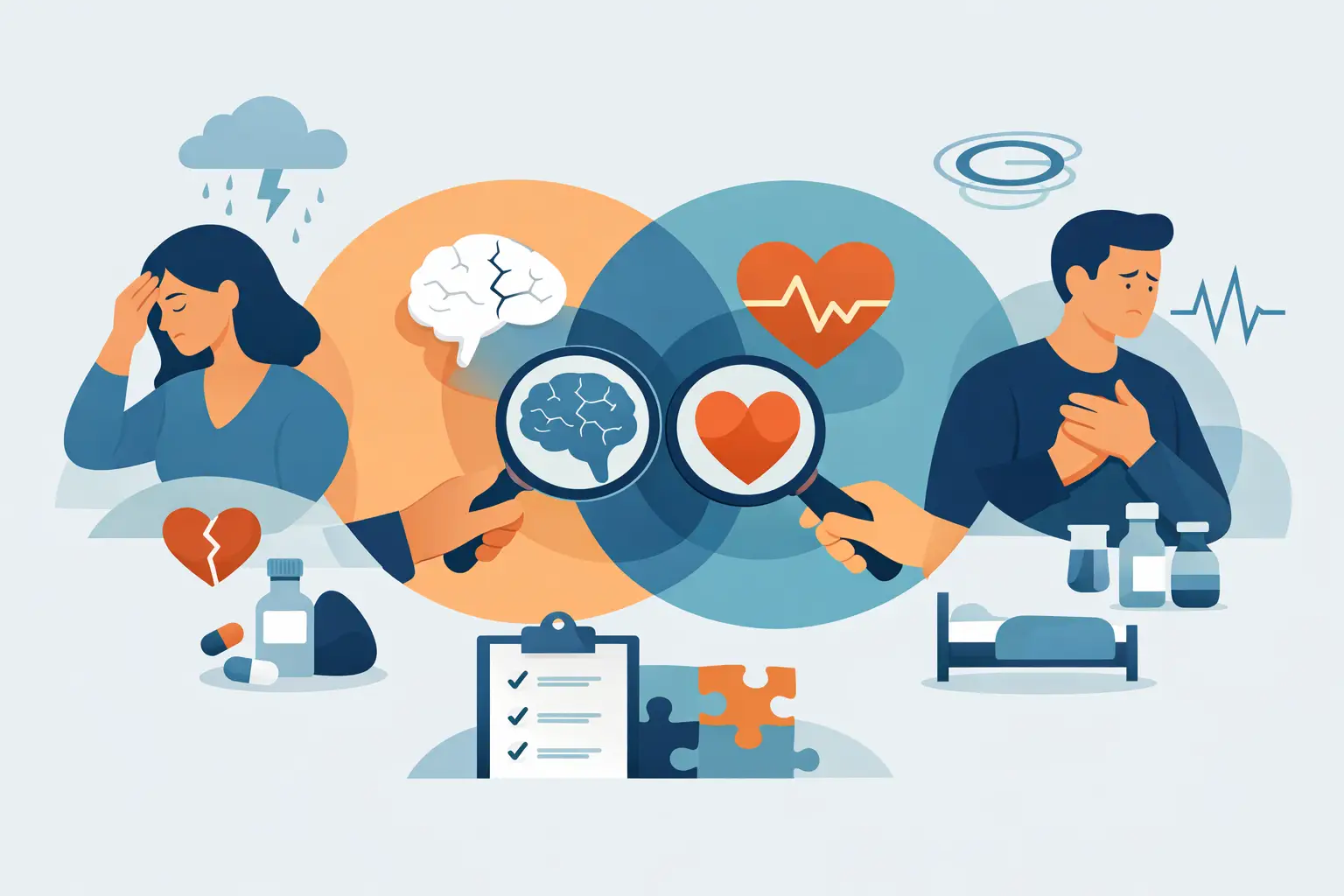
A person may begin drinking to quiet panic, using prescription pills to sleep, or withdrawing from family because depression has made everyday life feel impossible. From the outside, it can be hard to tell what came first: the substance use, the anxiety, the changes in mood, or the isolation. Learning how to recognize co-occurring symptoms can help individuals and families move beyond blame and toward the right kind of care.
Co-occurring disorders, sometimes called dual diagnosis, describe the presence of a substance use disorder and a mental health condition at the same time. This is common, and it is not a sign of weakness or a failure of character. Substance use and mental health often affect one another in ways that can make both concerns more difficult to understand and treat without professional support.
What co-occurring symptoms can look like
There is no single pattern that proves someone has a co-occurring disorder. Depression, anxiety, trauma-related symptoms, bipolar disorder, and other behavioral health concerns can overlap with alcohol or drug use in different ways. Symptoms can also change during active use, withdrawal, and early recovery.
A person may use alcohol to manage social anxiety, then experience increased anxiety, poor sleep, and low mood as drinking escalates. Someone coping with untreated trauma may use drugs to numb intrusive memories or emotional pain, only to become more isolated and fearful over time. Another person may appear energized, impulsive, or sleepless during periods of substance use, making it difficult to know whether a mood condition, a substance effect, or both are involved.
The goal is not for a loved one to diagnose the situation at home. The goal is to notice patterns with compassion, take changes seriously, and seek a comprehensive assessment from experienced behavioral health and addiction-treatment professionals.
Signs that substance use and mental health may be connected
One of the clearest signs is when a substance seems to serve an emotional purpose. A person may say they drink because they cannot sleep, use cannabis because they feel constantly on edge, or take stimulants because they cannot get through the day. Relief may feel real in the moment, but it can become short-lived and lead to stronger symptoms, increased use, and growing consequences.
Pay attention when emotional symptoms persist even during periods of reduced use, or when they become more intense as use increases. Ongoing sadness, hopelessness, panic, irritability, severe worry, shame, racing thoughts, suspiciousness, or emotional numbness can all warrant professional attention, especially when they interfere with work, relationships, physical health, or daily responsibilities.
Changes in behavior can be equally meaningful. A once-reliable person may begin missing work, canceling plans, neglecting hygiene, withdrawing from loved ones, or becoming unusually defensive about drinking or drug use. They may take risks they would not normally take, have sudden financial problems, or seem unable to follow through on commitments despite sincere intentions.
Physical and cognitive changes matter as well. Repeated sleep disruption, appetite changes, unexplained exhaustion, poor concentration, memory gaps, agitation, or a noticeably altered appearance can be related to substance use, mental health concerns, or both. These symptoms deserve care rather than assumptions.
Look for cycles, not isolated moments
A difficult week does not automatically mean someone has a co-occurring disorder. Grief, job loss, illness, and major life transitions can affect mood and behavior. What raises concern is a repeating cycle: emotional distress leads to substance use, substance use creates more distress or consequences, and the person uses again to cope.
Families may also notice that attempts to stop do not bring the expected relief. Someone may quit drinking for several days but remain severely anxious, depressed, unable to sleep, or emotionally overwhelmed. Conversely, a person may begin therapy for depression but continue using substances in ways that make progress difficult. Integrated care can address these connected concerns instead of treating one while overlooking the other.
Why timing can be confusing
It is natural to ask, “Did the mental health symptoms cause the substance use, or did the substance use cause the symptoms?” Often, the honest answer is that it depends. Some people have longstanding anxiety, depression, or trauma symptoms before they ever use substances. Others develop significant mental health symptoms after prolonged alcohol or drug use. Many experience both pathways over time.
Withdrawal can further complicate the picture. Alcohol, benzodiazepines, opioids, stimulants, and other substances may produce changes in mood, sleep, thinking, and physical stability when someone cuts back or stops. In some cases, withdrawal can be medically dangerous. A supervised detoxification setting allows clinicians to monitor symptoms, support safety, and begin clarifying what a person needs next.
This is why self-diagnosis or abrupt detox at home can carry real risks. A comprehensive clinical evaluation considers substance use history, mental health symptoms, medications, physical health, trauma history, family history, and current safety concerns. It also recognizes that a clear diagnosis may take time, especially during early recovery.
How to respond without shame or confrontation
If you are concerned about someone you love, choose a calm and private moment to talk. Lead with specific observations instead of labels. You might say, “I have noticed you have not been sleeping, you seem more anxious, and you have been drinking more often. I am worried about you.” This approach is more likely to invite honesty than accusations or ultimatums.
Listen for what the person says the substances are doing for them. They may describe trying to manage pain, loneliness, fear, grief, or pressure. You do not need to agree that substance use is helping to acknowledge that they are struggling. Compassion and accountability can exist together: “I understand you are hurting, and I also see that this is becoming unsafe. Let’s find support.”
Avoid trying to monitor every behavior, argue while someone is intoxicated, or promise to keep serious risks secret. Family members can offer support, but they cannot carry responsibility for another adult’s recovery. Clear boundaries, professional guidance, and family therapy can help restore dignity and healthier communication for everyone involved.
When professional help is urgent
Seek immediate emergency help if someone talks about suicide, self-harm, harming another person, or appears unable to care for basic needs. Urgent medical attention is also needed for overdose concerns, severe confusion, hallucinations, seizures, chest pain, trouble breathing, or signs of dangerous withdrawal. If there is immediate danger, call 911 or go to the nearest emergency room.
Even without a crisis, it is time to seek professional assessment when substance use and emotional symptoms are affecting safety, relationships, employment, housing, parenting, or physical health. Repeated relapse, hiding use, blackouts, escalating tolerance, or failed attempts to stop are not reasons for shame. They are signs that a higher level of support may be needed.
What integrated treatment should address
Effective co-occurring treatment does not ask a person to choose whether addiction or mental health is the “real” problem. It treats the whole person. Depending on clinical needs, care may include medically supported detoxification, psychiatric evaluation, individual therapy, group therapy, medication management, trauma-informed approaches, relapse-prevention planning, and family involvement.
A residential setting can be especially valuable when someone needs distance from triggers, consistent structure, and time to stabilize. The right program should create an individualized plan that considers physical health, emotional well-being, spiritual purpose, and practical needs after discharge. Wellness practices, nourishing meals, peer connection, and 12-step-based recovery support can strengthen the daily routines that make lasting change more possible.
At Harlow Gardens, compassionate residential care is designed to help adults address substance use and behavioral health concerns in a private, supportive Palm Springs setting. Treatment is most effective when it continues beyond the first days of sobriety, with aftercare planning and family support that help recovery remain connected to real life.
Recognizing co-occurring symptoms is not about finding the perfect explanation before asking for help. It is about noticing when someone is suffering on more than one level and choosing a path that honors their safety, dignity, and capacity for lasting transformation.
Book a Consultation
It’s easy and free!