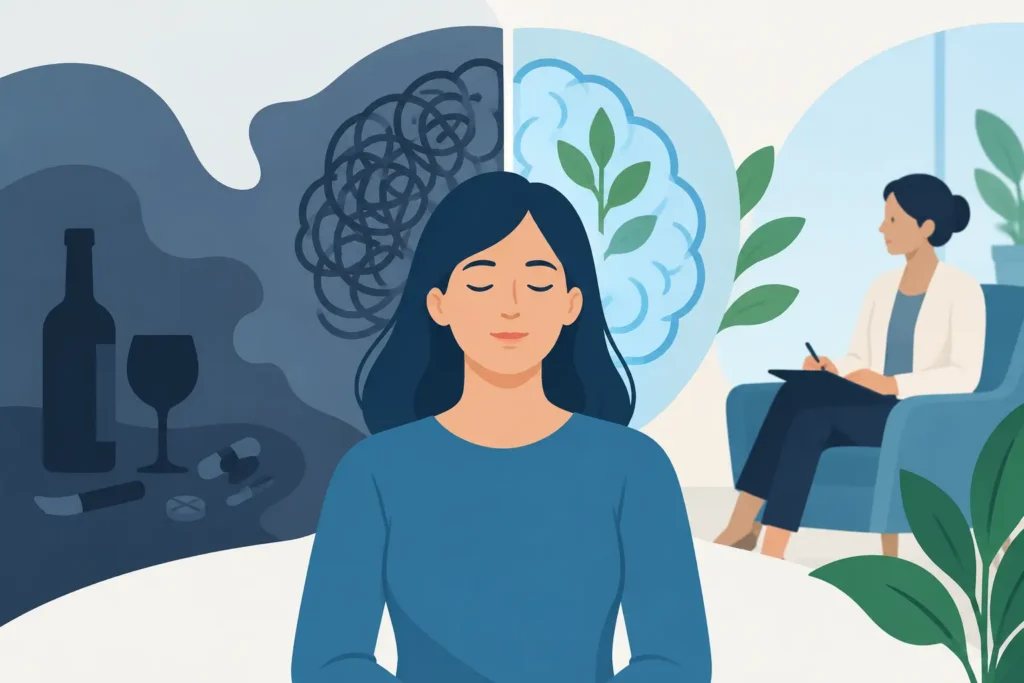
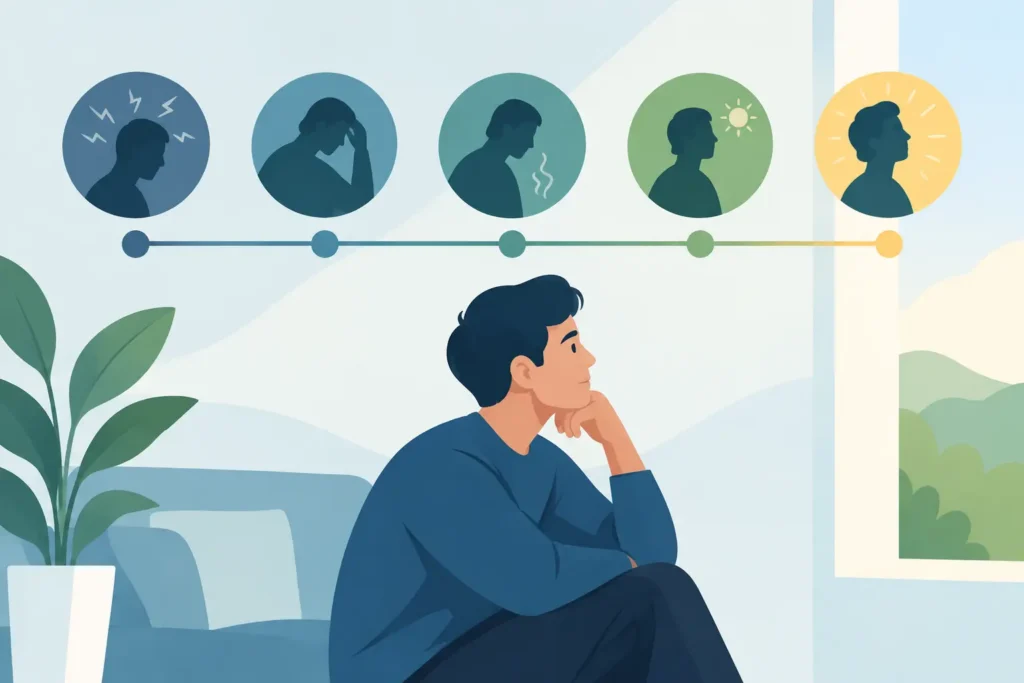
Learn how to compare the best detox centers, from medical oversight and tailored care to family support and a clear plan for recovery after discharge.

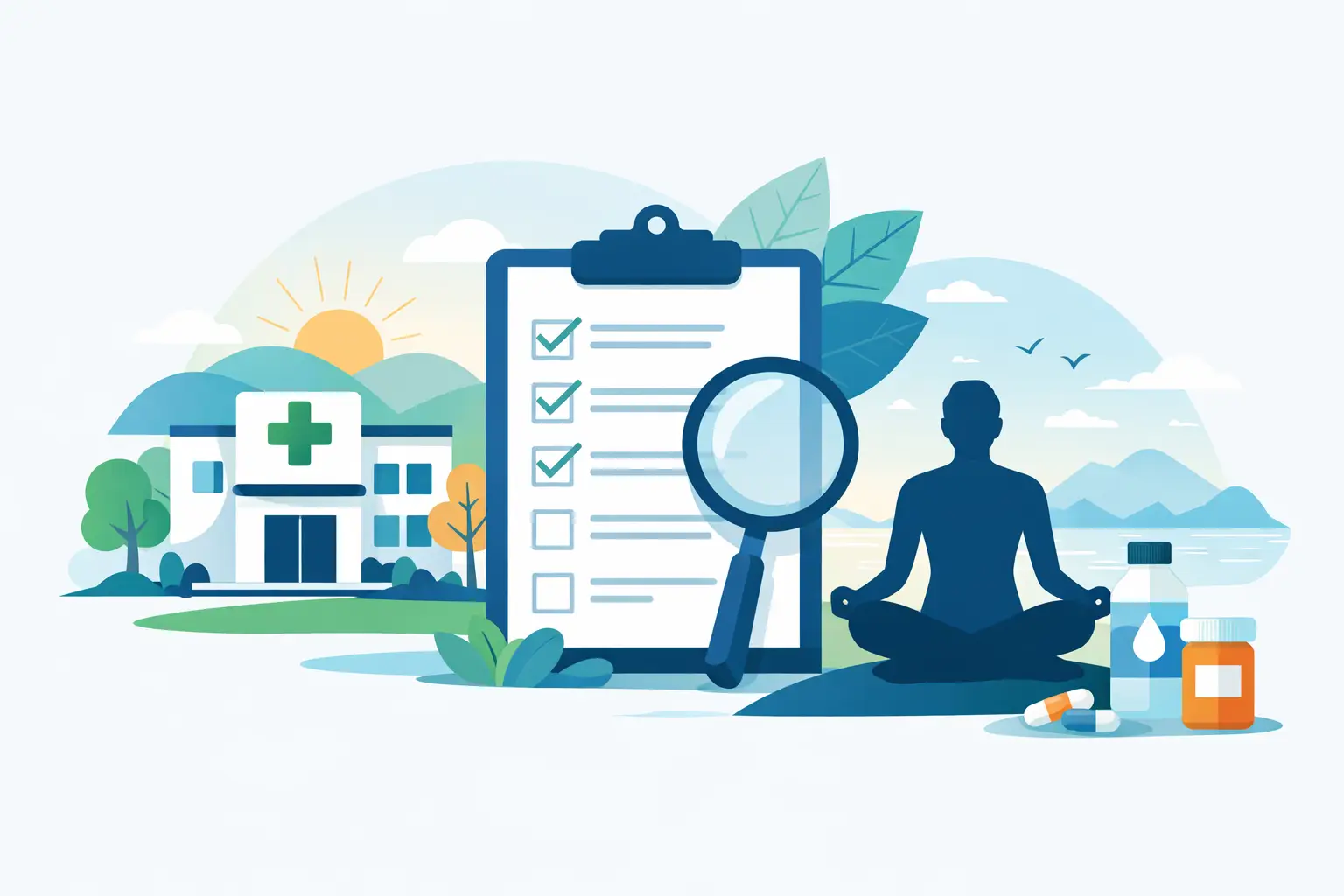
A search for the best detox centers often begins at a difficult moment: withdrawal is getting worse, alcohol or drug use has become unsafe, or a family can no longer wait for things to improve on their own. The right next step is not simply finding the closest available bed. It is finding care that protects physical safety, treats the person with dignity, and creates a realistic path beyond the first days without substances.
Detoxification is a critical beginning, but it is only one stage of recovery. A quality program recognizes that substance use can affect the body, mental health, relationships, confidence, and sense of purpose. The center you choose should be prepared to address those realities with compassion, clinical skill, and a clear plan for what comes next.
What the Best Detox Centers Provide
A strong detox program begins with a thorough assessment. Before care starts, clinicians should understand what substances are involved, how often they are used, whether there is a history of severe withdrawal, current medications, medical conditions, mental health concerns, and immediate safety needs. This information helps the treatment team create an individualized plan rather than relying on a one-size-fits-all protocol.
Medical oversight matters because withdrawal can range from deeply uncomfortable to medically dangerous. Alcohol, benzodiazepines, and certain other substances may carry serious risks when use stops suddenly. A reputable center has qualified medical and behavioral health professionals who can monitor symptoms, respond to changes in condition, and use medications when clinically appropriate to support safety and comfort.
The best care also does not treat detox as a period of isolation. While rest and stabilization are essential, clients benefit from compassionate connection, emotional support, and early therapeutic engagement. Even in the first days, people need help understanding what they are experiencing and reassurance that they do not have to face recovery alone.
Look for individualized clinical care
Two people can use the same substance and still need very different levels of support. One may have a co-occurring anxiety disorder, unresolved trauma, chronic pain, or depression. Another may be returning to treatment after a relapse and need a different strategy than before. Personalized care planning makes room for these differences.
Ask how the center evaluates co-occurring behavioral health concerns and whether treatment addresses them alongside substance use. Recovery is more sustainable when care acknowledges the full person rather than asking someone to separate their emotional health from their addiction.
Confirm the level of medical support
Not every detox setting provides the same level of medical capability. The appropriate setting depends on the substance involved, withdrawal history, physical health, psychiatric needs, and other factors identified during assessment. A responsible admissions team will be transparent about what its program can safely treat and will recommend a higher level of medical care when needed.
It is reasonable to ask who monitors clients, how often they are assessed, what happens if symptoms intensify, and how the program coordinates urgent medical care. Clear answers are a sign of accountability, not an inconvenience.
How to Compare Detox Centers With Confidence
Beautiful surroundings and reassuring language can matter, especially when a person is exhausted or frightened. Comfort and privacy can help clients feel safe enough to participate in treatment. Still, amenities should support care, not substitute for it. The central question is whether the program has the clinical structure and recovery philosophy to meet the person’s needs.
When comparing options, consider four connected areas: safety, treatment quality, daily environment, and continuity of care. A center may excel in one area while leaving gaps in another. For example, a facility may offer a comfortable setting but have limited therapy or aftercare planning. Another may provide strong clinical services but feel impersonal or disconnected from family support. The best fit balances both professional care and human connection.
A center should be able to explain its treatment approach in direct, understandable terms. Evidence-based therapies, group counseling, individual sessions, relapse-prevention work, and recovery education can all play a meaningful role. For many people, a 12-step-based philosophy and peer community provide added structure, accountability, and a sense of belonging. What matters is that the program can explain how these elements work together for lasting change.
Consider the transition from detox to residential treatment
For many adults, leaving detox immediately after physical symptoms ease creates a vulnerable gap. Cravings, stress, shame, family conflict, and untreated mental health concerns do not disappear simply because substances have cleared from the body. Continuing into residential treatment can offer the time and structure needed to practice new coping skills in a protected environment.
Look for a program that makes this transition intentional. The treatment team should help clients move from stabilization into deeper therapeutic work, wellness routines, community support, and relapse-prevention planning. Rather than viewing detox and rehabilitation as separate experiences, integrated programs treat them as connected stages of the same recovery journey.
Questions Families Should Ask Before Admission
Families are often making calls while under enormous pressure. They may be worried about safety, unsure what insurance will cover, and afraid of saying the wrong thing. A trustworthy admissions process should meet those concerns with calm guidance, not pressure or vague promises.
Ask whether the center conducts a pre-admission assessment, what the first 24 hours of care look like, and how the team communicates with family members when the client gives permission. Find out whether family therapy or education is available. Addiction affects the entire family system, and loved ones often need support, boundaries, and practical tools of their own.
It is also helpful to ask how insurance verification works and what financial responsibilities may remain. Many residential programs work with PPO insurance plans, but coverage varies by policy and clinical authorization. A transparent center will explain the process clearly and help families understand their options before admission whenever possible.
Confidentiality should be handled with the same seriousness. Adults deserve privacy and respect throughout treatment. At the same time, programs can often involve loved ones in meaningful ways when clients choose to include them. The goal is not to take control away from the person in treatment. It is to build a healthier support system around recovery.
The Environment Can Support Healing
Recovery requires clinical structure, but the setting matters too. A calm, private environment can reduce outside distractions and give clients room to rest, reflect, and begin rebuilding trust in themselves. Nourishing meals, movement, wellness activities, and time in a peaceful setting are not cures for addiction. They can, however, support physical restoration and help people remember that their well-being is worth protecting.
A residential community also offers something withdrawal at home often cannot: consistent connection with others who understand the work of recovery. Group therapy, shared routines, and peer support can replace isolation with accountability. Over time, clients can begin to practice honesty, ask for help, and build resilience in a setting designed for healing.
At Harlow Gardens in Palm Springs, detoxification and residential rehabilitation are designed to provide this combination of personalized clinical support, community, wellness, and dignity. The focus remains on helping each client move from immediate stabilization toward a life grounded in purpose and sustained recovery.
Recovery Needs a Plan Beyond Discharge
A detox center should begin planning for discharge well before the final day. Returning home, work, relationships, or familiar triggers can be challenging, particularly in early recovery. A thoughtful aftercare plan identifies the next level of support and helps clients leave with specific commitments rather than general intentions.
That plan may include outpatient treatment, individual therapy, psychiatric follow-up, recovery meetings, sober support, family therapy, alumni connection, or a sober living environment. The right combination depends on the person’s history, living situation, motivation, and level of ongoing risk. There is no single aftercare plan that fits everyone.
The most meaningful measure of a detox program is not whether it gets someone through withdrawal as quickly as possible. It is whether it helps them take the next right step with clarity, support, and hope. If substance use or withdrawal is creating an immediate medical or safety crisis, call 911 or seek emergency care. Otherwise, a confidential conversation with an experienced admissions team can be the moment that turns fear into a plan for healing.
Book a Consultation
It’s easy and free!