Understand how does residential rehab work: detox, personalized therapy, family support, wellness, and aftercare for a safer path to lasting recovery.


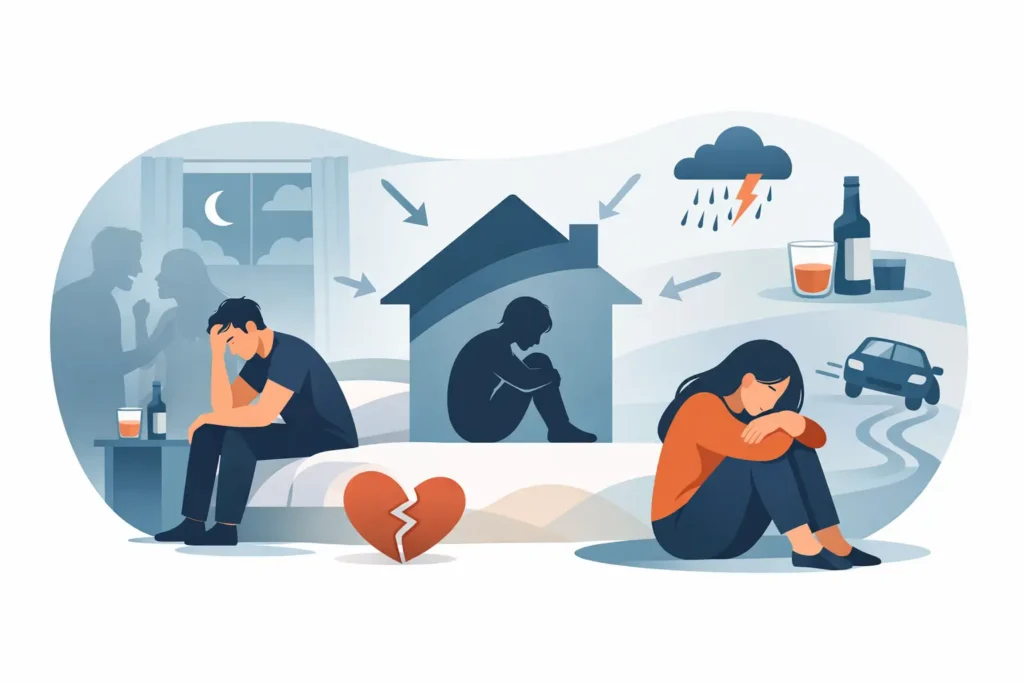
The decision to seek treatment often comes after substance use has begun to affect health, relationships, work, safety, or a person’s sense of self. For someone facing that moment, the question, “how does residential rehab work?” is more than practical. It is a way of asking whether recovery can feel safe, private, and possible. Residential treatment provides a structured place to step away from the pressures and access to substances that can keep addiction going, while receiving compassionate, clinically guided care.
How Does Residential Rehab Work?
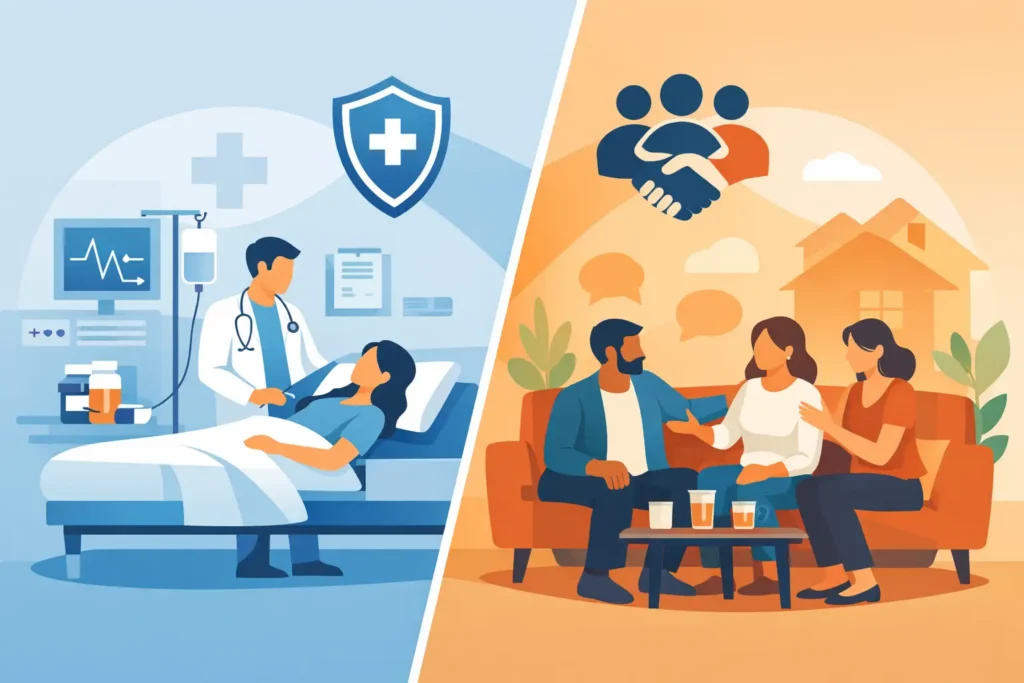
Residential rehab is a live-in level of care for adults who need more support than outpatient treatment can provide. Clients stay at a treatment center full-time and follow an individualized plan that addresses substance use, mental health needs, physical well-being, relationships, and the practical skills needed for life after treatment.
The setting matters. At home, a person may be surrounded by triggers, alcohol or drugs, conflict, isolation, or routines that make change difficult. In a residential environment, recovery becomes the focus. Days are organized around therapy, peer connection, rest, nutrition, wellness, and reflection. This structure is not meant to control someone. It is meant to create enough safety and consistency for healing work to begin.
Length of stay varies. Some people benefit from a shorter residential stay after detoxification, while others need more time to stabilize, address co-occurring behavioral health concerns, and build confidence in recovery. Clinical needs, substance-use history, progress in treatment, insurance coverage, and the safety of the discharge environment can all shape the recommendation.
Admission begins with a confidential conversation
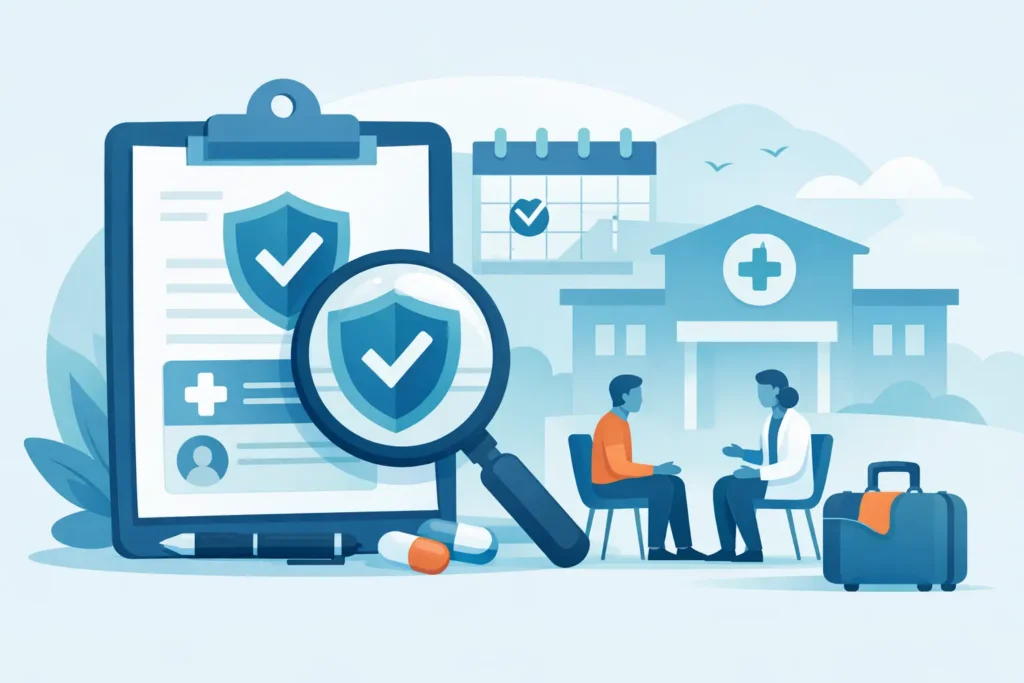
The process generally starts with a phone assessment. An admissions professional gathers information about current substance use, medical history, mental health symptoms, medications, previous treatment, and immediate safety concerns. They can also discuss insurance verification, private-pay options, what to bring, and how quickly care may be available.
This first conversation should be compassionate and direct. Families do not need to have every detail organized before calling, and a person does not need to prove they have reached a certain low point to deserve help. If there is an immediate medical emergency, overdose concern, severe withdrawal, or risk of harm, emergency services should be contacted right away.
After admission, the clinical team completes a more thorough assessment. This helps create a personalized care plan rather than applying the same schedule or goals to every client. The team may explore trauma, anxiety, depression, grief, family dynamics, sleep, nutrition, relapse patterns, and personal strengths alongside addiction history.
Detox May Be the First Step
For many people, residential treatment begins with detoxification. Detox is the process of allowing drugs or alcohol to leave the body while managing withdrawal as safely and comfortably as possible. Withdrawal can range from uncomfortable to medically serious depending on the substance, amount and frequency of use, health history, and prior withdrawal experiences.
Medical detox provides monitoring, support, and, when clinically appropriate, medication to reduce symptoms and protect a person’s safety. Detox is essential for stabilization, but it is not the full treatment for addiction. Once the immediate physical effects of withdrawal begin to ease, the deeper work of rehabilitation can take place.
Not every person entering residential rehab needs detox, and not every detox program is located in the same setting as residential care. A qualified admissions and clinical team can determine the most appropriate starting point. What matters is a coordinated transition so a person does not complete detox and then return immediately to the same conditions without support.
What Daily Life in Residential Treatment Looks Like
A residential schedule is purposeful, but it should also allow room for each person’s pace. Most days include individual therapy, group therapy, recovery education, meals, wellness activities, and time for rest or personal reflection. Consistent routines can be surprisingly powerful for people whose lives have become shaped by crisis, unpredictability, or the constant cycle of using and recovering from use.
Individual therapy gives clients a private space to identify the patterns beneath addiction. Evidence-based approaches may help people understand cravings, change unhelpful thought patterns, regulate emotions, process difficult experiences, and develop healthier responses to stress. For clients living with both substance use and mental health concerns, integrated treatment is especially important. Anxiety, depression, trauma symptoms, or other challenges should not be treated as separate from recovery.
Group therapy creates a different kind of healing. Addiction often thrives in secrecy and shame. Listening to others, speaking honestly, practicing accountability, and receiving encouragement can replace isolation with connection. Groups may focus on relapse prevention, emotional regulation, communication, boundaries, grief, trauma-informed recovery, or the practical realities of returning to daily life.
Many residential programs also incorporate a 12-step-based recovery philosophy. For some clients, the steps offer a meaningful framework for honesty, responsibility, spiritual growth, and long-term fellowship. The experience should be respectful and individualized. Recovery is strengthened when a person can connect clinical insight with a sense of purpose and a supportive community.
Wellness is not an extra in effective residential care. Chef-prepared meals, movement, sleep support, time outdoors, and restorative activities can help the body recover from the effects of substance use. These practices also teach clients that caring for themselves is part of maintaining sobriety, not a reward they must earn after they are well.
Family Support and Privacy Can Coexist
Addiction affects the entire family system, and recovery often needs family involvement to last. Family therapy can help loved ones understand addiction as a health condition, improve communication, address resentment or fear, and establish boundaries that support recovery without enabling substance use.
Family participation is guided by the client’s consent, treatment needs, and safety. Privacy is a core part of dignified care. A quality residential program protects confidentiality while helping clients decide what support they want from the people closest to them. In some situations, family therapy may be central to healing. In others, the healthier choice may be to focus first on stabilizing the client and building boundaries.
Preparing for Life After Residential Rehab
Residential treatment is a beginning, not a finish line. Before discharge, the treatment team works with each client on an aftercare plan that reflects their risks, responsibilities, and goals. A thoughtful plan may include outpatient therapy, medication management, recovery meetings, sober living, alumni support, family sessions, medical follow-up, and strategies for returning to work or home.
Relapse prevention is more than being told to avoid substances. It means identifying personal warning signs, high-risk situations, emotional triggers, and the people a client can call before a lapse becomes a crisis. It also means making realistic decisions about housing, relationships, social settings, and routines. Returning to a triggering environment without a plan can make early recovery far more difficult.
At Harlow Gardens, continuity of care is treated as part of the recovery process. The goal is not simply to help someone complete a residential stay. It is to help them leave with greater resilience, a support network, and a plan they can use when life becomes challenging again.
Is Residential Rehab the Right Level of Care?
Residential rehab can be especially appropriate when someone has tried outpatient care without success, relapsed repeatedly, needs detoxification, lacks a safe or sober home environment, or is experiencing significant emotional distress alongside substance use. It may also be the right choice when family members are deeply concerned about safety or when substance use has become difficult to interrupt without round-the-clock structure.
Still, residential treatment is not the only path. Some people can recover successfully through outpatient care when they have stable housing, a strong support system, lower medical risk, and the ability to attend treatment consistently. The right level of care depends on the individual, not on a label or a single event.
Recovery asks for honesty, support, and a willingness to accept help, but it does not require perfection. A private, compassionate residential setting can give a person the space to regain their footing and begin building a life guided by health, connection, and purpose.
Book a Consultation
It’s easy and free!