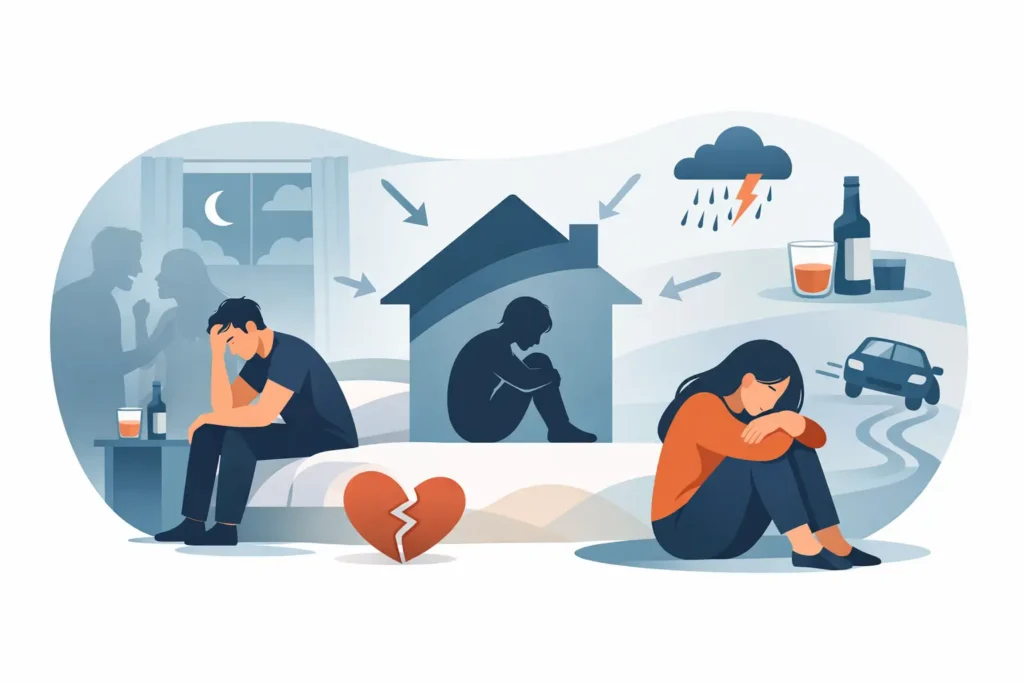
Learn what happens during alcohol detox, from early withdrawal symptoms to medical monitoring, medication, and the next steps toward lasting recovery.


For someone who has been drinking heavily or regularly, the decision to stop can bring relief and real fear at the same time. Understanding what happens during alcohol detox can make the next step feel less unknown. Detox is not a test of willpower. It is a clinical process that helps the body adjust safely as alcohol leaves the system, while providing compassionate support through a vulnerable transition.
Alcohol withdrawal can range from uncomfortable to medically dangerous. The right level of care depends on a person’s drinking history, physical health, mental health needs, prior withdrawal experiences, and whether other substances are involved. A professional assessment is the safest place to begin.
What Happens During Alcohol Detox in the First Hours
When alcohol use stops or drops sharply, the brain and body must recalibrate. Alcohol slows activity in the central nervous system. Over time, the body adapts to its presence by increasing stimulating processes in an effort to maintain balance. When alcohol is suddenly removed, that stimulation can become overactive.
Early symptoms may begin within several hours after the last drink. A person may feel anxious, restless, shaky, sweaty, nauseated, irritable, or unable to sleep. Headache, a rapid heartbeat, reduced appetite, and sensitivity to light or sound can also occur. These symptoms are real physical responses, not a sign that someone is failing at recovery.
At a medically supervised detox program, the first priority is a thorough evaluation. Experienced clinicians ask about the amount and frequency of alcohol use, the time of the last drink, prior withdrawal symptoms, medications, medical conditions, and emotional health. They may check vital signs, hydration, sleep, nutrition, and risk factors for severe withdrawal. This information guides an individualized care plan rather than a one-size-fits-all approach.
The Withdrawal Timeline Varies From Person to Person
There is no single alcohol detox timeline that applies to everyone. Symptoms often peak within 24 to 72 hours, but the course can vary considerably. People who have been through withdrawal before may have more intense symptoms during a future attempt, especially if previous detoxes involved seizures, hallucinations, or delirium.
For many people, the first day brings tremors, anxiety, sweating, nausea, and disrupted sleep. During the next one to three days, symptoms can intensify. Some people experience elevated blood pressure, fever, confusion, severe agitation, or perceptual disturbances. A small number may develop delirium tremens, sometimes called DTs, a serious condition that can involve profound confusion, hallucinations, fever, and seizures.
This is why detoxing alone can be risky. Alcohol withdrawal can become a medical emergency, even for someone who appears outwardly functional or has tried to stop before without major problems. If a person is experiencing seizures, hallucinations, severe confusion, chest pain, trouble breathing, or thoughts of self-harm, seek emergency medical help immediately.
Medical Monitoring Creates a Safer Foundation
In a structured detox setting, clients are monitored for changes in withdrawal symptoms and vital signs. The care team can respond quickly if symptoms worsen and can adjust the treatment plan as needed. This attentive monitoring offers reassurance to clients and families during a period that can feel uncertain.
Medication may be used to reduce withdrawal symptoms, prevent complications, and support comfort. The specific medication approach depends on each person’s clinical needs and medical history. Some clients may also need support for dehydration, nutritional deficiencies, sleep disruption, pain, anxiety, or co-occurring mental health symptoms.
Alcohol use can affect nutrition, hydration, and the body’s ability to absorb certain vitamins. Clinical teams often address these needs as part of comprehensive detox care. Rest, nourishing meals, fluids, and a calm environment may sound simple, but they can be meaningful parts of physical stabilization.
Medication and monitoring are not meant to replace personal responsibility. They make it possible for a person to focus on healing without being overwhelmed by preventable medical distress. Detox is where safety and dignity come first.
Emotional Changes Are Part of Alcohol Detox
The physical symptoms of withdrawal receive much of the attention, but emotional symptoms matter just as much. As alcohol clears, feelings that were numbed or postponed may return with intensity. A person may feel grief, guilt, fear, anger, sadness, or uncertainty about life without alcohol.
Some people feel embarrassed about needing help. Others may be worried about work, family, finances, or what loved ones will think. Compassionate treatment does not minimize these concerns. It creates space to address them honestly while helping clients remain focused on the immediate task of getting stable.
Individual counseling, group support, and connection with peers can begin during or shortly after detox, depending on a client’s condition. These early conversations help people recognize that addiction is not a moral failure. It is a treatable health condition that often involves patterns of stress, trauma, mental health concerns, relationships, and learned ways of coping.
Detox Is the Beginning, Not the Full Treatment
Completing detox is a significant accomplishment, but it is not the same as treating alcohol use disorder. Detox helps the body become free of alcohol. Recovery work helps a person understand what led to alcohol use, build healthier coping skills, repair trust, and create a plan for life after treatment.
Without continued care, the discomfort of early recovery and the return of familiar stressors can raise the risk of relapse. For this reason, many people benefit from transitioning directly from detox into residential treatment or another appropriate level of care. The best next step depends on clinical needs, the home environment, support systems, mental health symptoms, and the person’s recovery goals.
At Harlow Gardens, detox and residential care are designed to support the whole person. Clients can move from physical stabilization into individualized therapy, peer community, wellness programming, family involvement, and 12-step-based recovery support. The goal is not simply to stop drinking for a few days. It is to develop the resilience, purpose, and practical support needed for lasting transformation.
What Families Can Expect During Detox
Families often arrive at this moment exhausted, frightened, and unsure how to help. It is common to want immediate answers or reassurance that detox will solve everything. While the first days can be challenging, professional care provides structure and a clear path forward.
Family involvement may look different for each client. Some people need time and privacy to stabilize before engaging in difficult conversations. Others benefit from early family education about addiction, boundaries, communication, and the recovery process. A treatment team can help families understand how to support recovery without taking on responsibility that belongs to their loved one.
It also helps to remember that mood changes during withdrawal are not always a reliable reflection of how a person will feel once they are medically stable. Patience, calm communication, and respect for clinical guidance can make a meaningful difference.
When It Is Time to Ask for Help
You do not need to wait for a crisis to seek support. Frequent drinking, unsuccessful attempts to cut down, drinking to avoid withdrawal symptoms, blackouts, relationship strain, worsening anxiety or depression, and needing alcohol to get through the day can all signal that professional help may be needed.
A confidential assessment can clarify whether medical detox is appropriate and what level of treatment offers the best chance for sustained recovery. For people with a history of heavy alcohol use, prior severe withdrawal, seizures, significant health concerns, or co-occurring substance use, trying to quit without medical guidance can carry serious risks.
Choosing care is an act of courage. The discomfort of detox is temporary, and no one has to face it alone. With compassionate clinical support, a peaceful setting, and a plan that continues beyond the first days without alcohol, recovery can become a grounded and lasting new direction.
Book a Consultation
It’s easy and free!