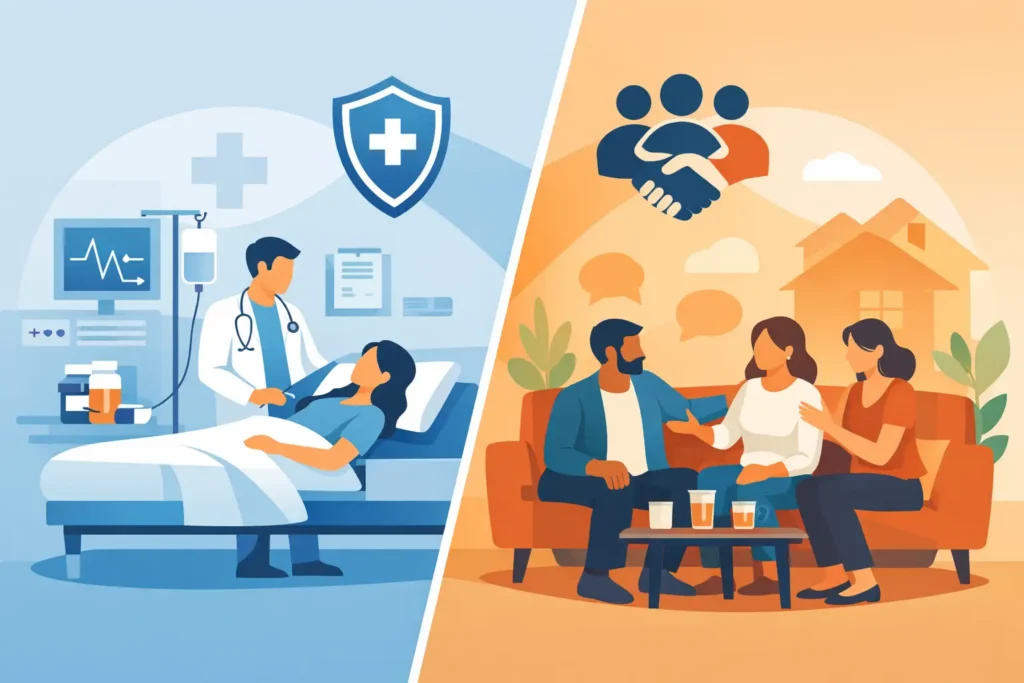
Dual diagnosis residential treatment provides integrated support for addiction and mental health, with a personalized path toward lasting recovery for families, too.

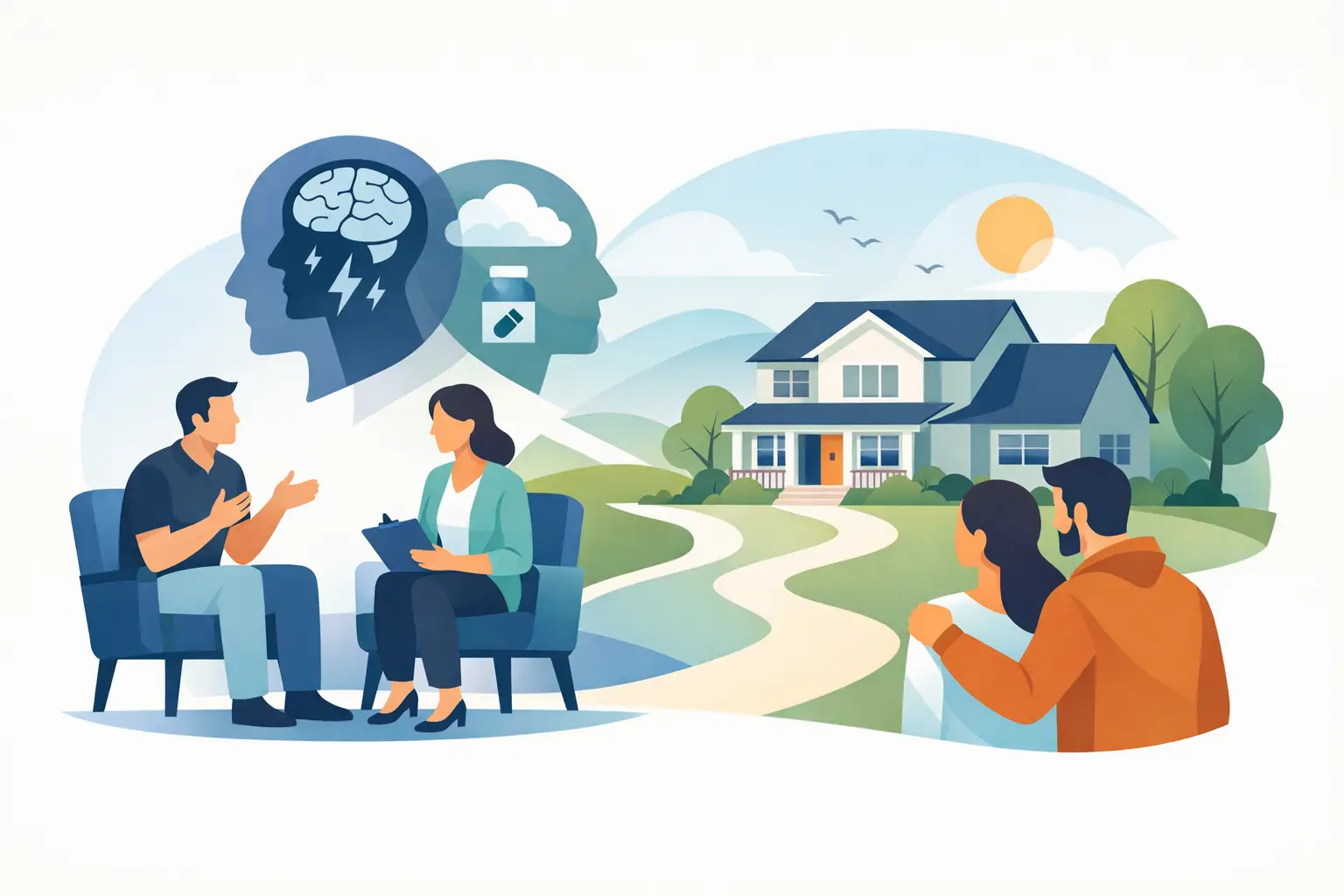
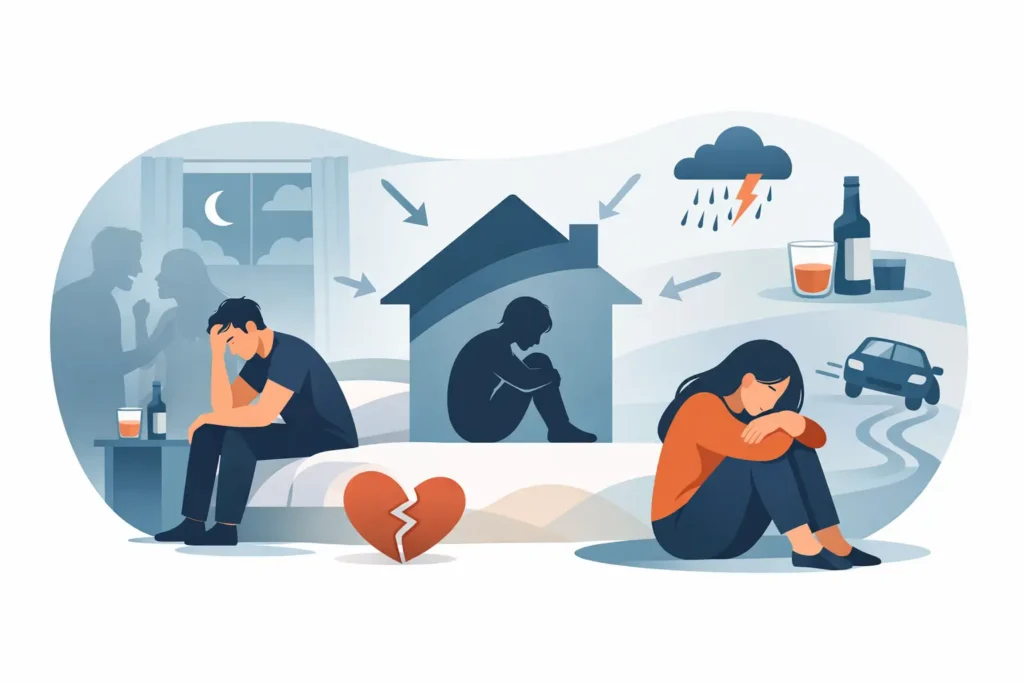
A person can stop drinking, using drugs, or misusing medication and still feel overwhelmed by panic, depression, trauma responses, or unstable moods. When substance use and mental health concerns are intertwined, treating only one can leave the other driving the cycle. Dual diagnosis residential treatment provides a protected, structured setting where both needs can be understood and addressed together with compassion, clinical skill, and respect for the whole person.
For many people, this is the first time recovery is approached as more than abstinence. It becomes an opportunity to regain stability, rebuild trust, and create a life with greater purpose and resilience.
What Dual Diagnosis Means in Recovery
A dual diagnosis, also called co-occurring disorders, describes the presence of a substance use disorder alongside a mental health condition. The mental health concern may be anxiety, depression, trauma-related symptoms, bipolar disorder, grief, or another behavioral health challenge. Every person’s experience is different, and a diagnosis should be made by qualified clinical professionals.
The relationship between these concerns is rarely simple. Someone may use alcohol to quiet anxiety, stimulants to push through depression, or opioids to numb emotional pain. Substance use can also worsen sleep, mood, decision-making, and relationships, making existing symptoms more difficult to manage. Over time, it can become hard to tell where one condition ends and the other begins.
That complexity is why integrated care matters. A treatment plan that focuses only on substance use may miss the emotional distress that makes recovery feel unbearable. Mental health care without addiction support may not fully address the risks and patterns connected to continued use. Treating both at the same time creates a more honest foundation for lasting transformation.
Why Residential Care Can Be the Right Level of Support
Recovery is especially difficult when a person is trying to heal in the same environment where substance use, conflict, isolation, or overwhelming responsibilities have been taking place. Residential treatment temporarily removes many of those pressures and replaces them with routine, accountability, and consistent support.
In a residential setting, clients have time and space to stabilize physically and emotionally. Depending on clinical needs, the process may begin with detoxification and medical oversight before moving into residential rehabilitation. From there, each day can include individual therapy, group therapy, recovery education, wellness activities, peer connection, nourishing meals, and time to practice healthier routines.
Residential care is not necessary for every person with co-occurring concerns. Outpatient services can be appropriate when someone is medically stable, has a safe home environment, and can reliably participate in treatment. But residential care may be a stronger fit when substance use has escalated, relapse is recurring, symptoms feel unmanageable, home is not supportive of recovery, or a family is concerned about immediate safety.
The goal is not to place someone in a program that is more intensive than they need. It is to provide enough structure and clinical support for meaningful change to take hold.
What Effective Dual Diagnosis Residential Treatment Includes
A high-quality program starts with a thorough assessment. This is more than asking what substances someone uses. Clinicians should explore medical history, withdrawal risks, mental health symptoms, trauma exposure, family dynamics, previous treatment, medications, strengths, goals, and practical needs after discharge. A personalized care plan should evolve as the client gains clarity and stability.
Evidence-Based Therapy With Individualized Care
Therapy helps clients identify the patterns beneath substance use and build practical ways to respond differently. Individual sessions can offer a confidential setting to work through personal history, emotional pain, and treatment goals. Group therapy reduces isolation by helping clients recognize that recovery is not something they have to carry alone.
Clinical approaches may include cognitive behavioral strategies, relapse prevention, trauma-informed care, motivational work, and skills for emotional regulation. The specific approach matters less than whether it is thoughtfully matched to the person. Someone struggling with intense anxiety may need support learning to tolerate distress without reaching for a substance. Someone with a history of trauma may need careful pacing, safety, and stabilization rather than pressure to disclose before they are ready.
Medication evaluation and management can also be an important part of care for some clients. Medication is not a replacement for recovery work, and it is not required for everyone. When appropriate, however, it can help address symptoms that might otherwise interfere with sleep, mood stability, participation in therapy, or the ability to remain engaged in treatment.
Recovery Community and 12-Step Support
Isolation often strengthens addiction. A healthy recovery community offers accountability, perspective, and the reassurance that change is possible. For many people, 12-step principles provide a meaningful framework for honesty, responsibility, service, and ongoing spiritual growth. These principles can complement evidence-based clinical treatment rather than compete with it.
The right environment should not demand that every client’s recovery look identical. It should invite participation, encourage openness, and help each person identify the support that will remain available after residential treatment ends.
Wellness That Supports Clinical Healing
The physical effects of addiction and emotional distress deserve attention. Rest, balanced meals, movement, time outdoors, and consistent daily rhythms can support the nervous system as it begins to recover. These practices are not superficial extras. They help clients experience what it feels like to care for themselves in ways that are steady, practical, and sustainable.
At Harlow Gardens, the residential experience is designed to pair clinical care with the comfort and privacy needed for focused healing. A serene Palm Springs setting, chef-prepared meals, wellness programming, and a close-knit recovery community can help clients step away from chaos without stepping away from accountability.
Family Support Is Part of the Healing Process
Addiction and mental health concerns affect more than one person. Families may be exhausted, frightened, angry, or unsure whether their support is helping or enabling. Clients may carry guilt, resentment, or fear of disappointing people they love. These feelings do not disappear simply because treatment begins.
Family therapy and education can create space for more constructive conversations. The purpose is not to assign blame or force instant reconciliation. It is to help families understand addiction and co-occurring mental health needs, establish healthier boundaries, and begin rebuilding trust through consistent actions over time.
For loved ones, it can be a relief to learn that compassion and accountability can exist together. Supporting someone does not mean removing every consequence. It can mean encouraging treatment, communicating clearly, honoring boundaries, and seeking support for their own wellbeing.
Questions to Ask When Choosing a Program
The decision to enter treatment can feel urgent, especially after an overdose, a relapse, a mental health crisis, or a frightening change in behavior. Even under pressure, families can ask a few clear questions to understand whether a program is equipped to provide appropriate care:
- Does the program assess and treat both substance use and mental health concerns?
- Is detoxification or medical coordination available when withdrawal needs to be managed?
- How are individualized treatment plans developed and reviewed?
- What family support, aftercare planning, and alumni connection are available after discharge?
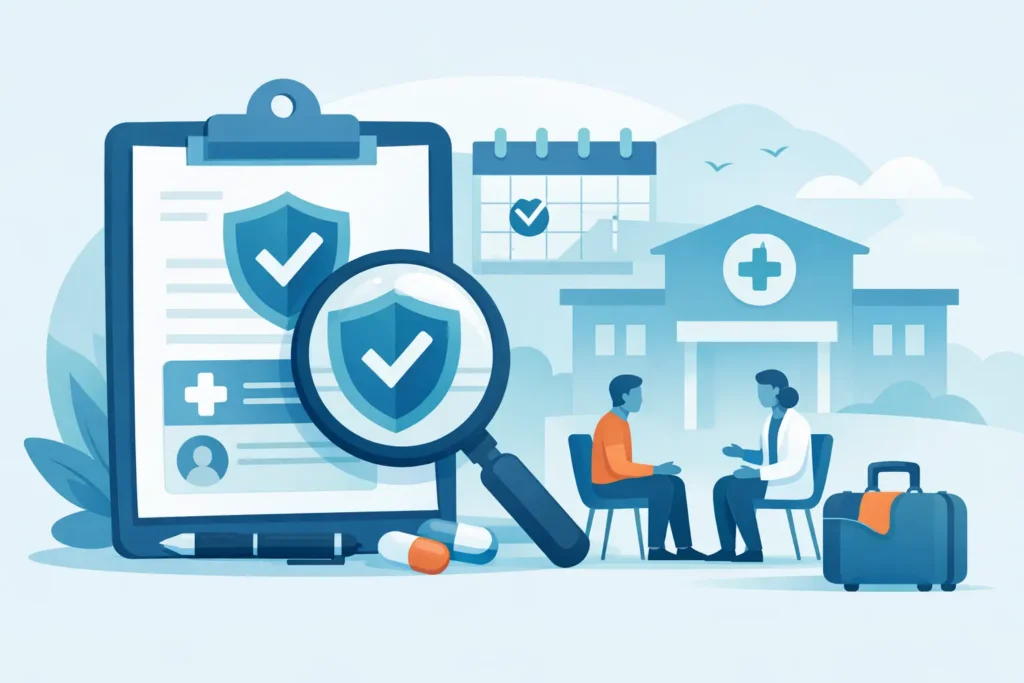
It is also reasonable to ask about licensing, clinical leadership, confidentiality, insurance verification, and what a typical day in residential care looks like. A trustworthy admissions team should answer directly, explain options without judgment, and help determine the appropriate next step.
Recovery Continues After Residential Treatment
Residential care can be a powerful beginning, but it is not meant to be the only source of support. The transition home, back to work, or into a new living situation can bring real pressure. A thoughtful discharge plan prepares for that reality rather than assuming motivation alone will be enough.
Aftercare may include outpatient therapy, psychiatric follow-up, recovery meetings, sober community, family sessions, alumni support, or a step-down level of care. The details depend on the person’s clinical needs, living environment, and recovery goals. What matters is having a plan before the structure of residential treatment changes.
If substance use and emotional pain have become difficult to separate, help does not have to wait for things to get worse. A confidential conversation with an experienced treatment professional can bring clarity to what is happening and what level of care may offer the safest path forward. Recovery begins with one honest decision to accept support, and that decision can make room for a future that feels steady, connected, and possible.
Book a Consultation
It’s easy and free!