Can addiction treatment treat anxiety? Learn how integrated residential care addresses substance use, anxiety symptoms, and recovery with compassion.

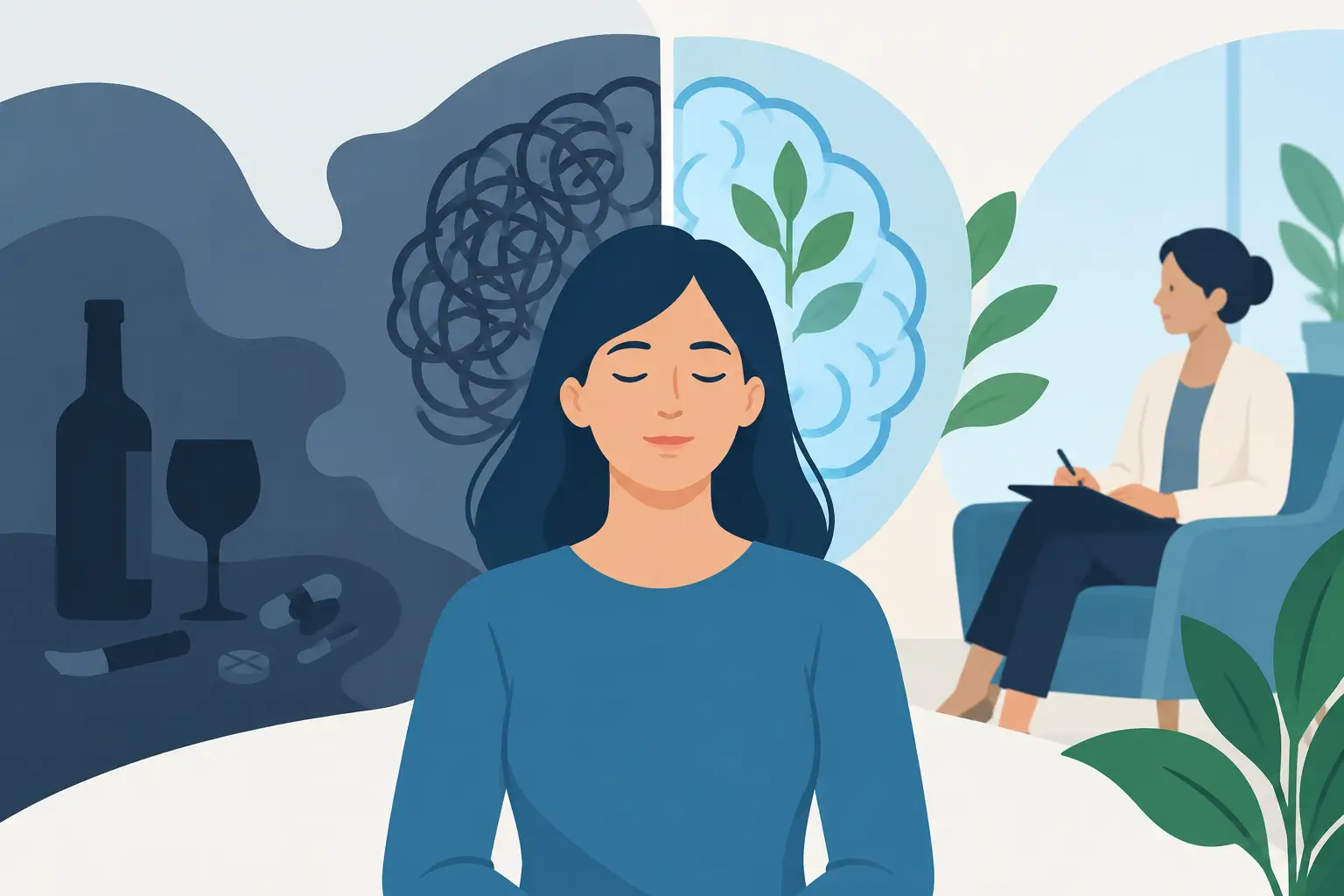
For many people, alcohol or drugs began as a way to quiet racing thoughts, ease panic, sleep through the night, or feel comfortable around others. Over time, that relief can become another source of fear. So, can addiction treatment treat anxiety? It can address anxiety as part of comprehensive care, particularly when substance use and emotional distress are closely connected. But meaningful healing begins with an individualized assessment, not a one-size-fits-all promise.
Anxiety and addiction often reinforce one another. A person may use substances to manage distress, then experience worsening anxiety from withdrawal, disrupted sleep, relationship strain, health concerns, or the consequences of use. Recovery is more sustainable when treatment recognizes that cycle and cares for the whole person with compassion, structure, and clinical expertise.
Can Addiction Treatment Treat Anxiety Alongside Substance Use?
Yes, a quality addiction treatment program can treat co-occurring anxiety symptoms and disorders while helping a person stop using substances safely. This is often called integrated or dual-diagnosis care. Rather than asking someone to resolve anxiety before addressing addiction, the clinical team considers both concerns together.
That distinction matters. Anxiety may be a preexisting mental health condition, such as generalized anxiety disorder, panic disorder, social anxiety, or trauma-related distress. It may also be caused or intensified by alcohol, stimulants, cannabis, sedatives, opioids, or withdrawal. In early recovery, it can take time to understand what symptoms remain once the body and mind have stabilized.
An addiction treatment center should not assume every anxious feeling is permanent, nor should it dismiss anxiety as simply a consequence of substance use. Careful observation, honest communication, and ongoing clinical assessment help determine what support a person needs at each stage of recovery.
Why Anxiety Can Feel Stronger in Early Recovery
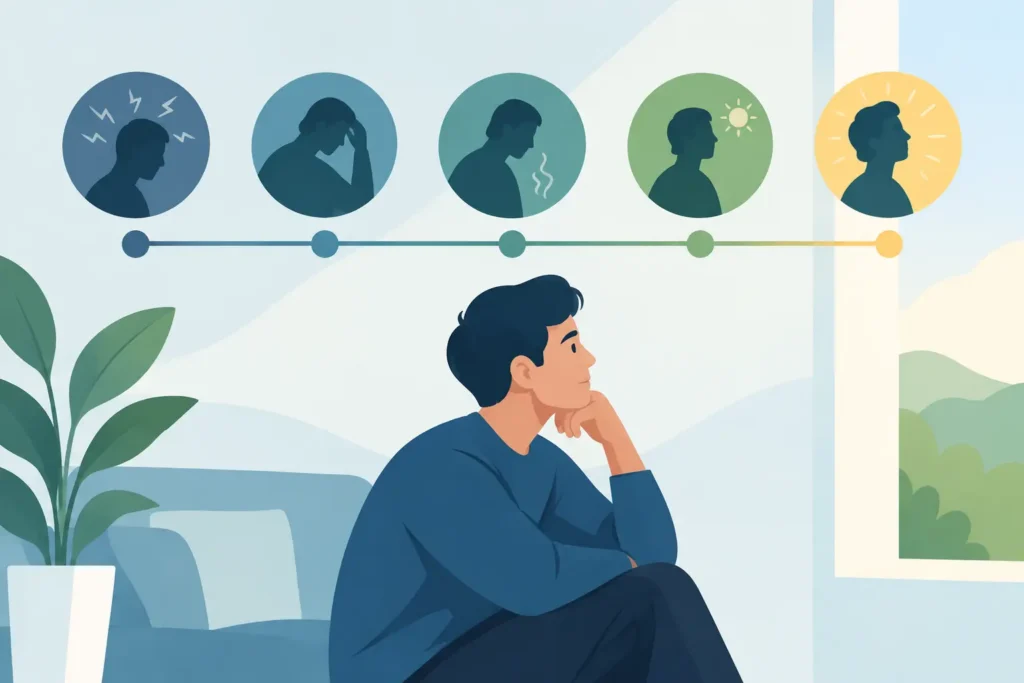
When someone stops using alcohol or drugs, the nervous system has to adjust. Substances that once seemed to calm anxiety may have been masking it, while also making the body more dependent on a chemical form of relief. As that relief is removed, symptoms can temporarily feel more intense.
Common experiences can include restlessness, worry, irritability, difficulty sleeping, physical tension, rapid heartbeat, trouble concentrating, and fear that something is wrong. These symptoms deserve attention. They are not a sign of weakness or failure.
For some substances, withdrawal can also be medically serious. Alcohol, benzodiazepines, and certain other drugs may require medically supervised detoxification to protect a person’s safety and comfort. Detox is not the same as complete treatment, but it can create the stable foundation needed to begin addressing both addiction and anxiety.
What Integrated Treatment for Anxiety and Addiction Looks Like
Effective care starts by understanding the person behind the symptoms. A clinical team may explore substance-use history, mental health history, medications, physical health, family dynamics, trauma exposure, sleep patterns, and previous attempts at recovery. This information guides a personalized care plan rather than a generic schedule.
In residential treatment, clients have space away from the people, places, and pressures that may be fueling both substance use and anxiety. A predictable daily rhythm can be especially helpful for an overwhelmed nervous system. Regular meals, consistent sleep opportunities, therapeutic activities, and supportive accountability replace the instability that often accompanies active addiction.
Individual therapy gives clients a private setting to identify the situations, thoughts, emotions, and beliefs that drive anxiety and cravings. Group therapy offers a different kind of healing: the experience of being understood without judgment. For someone who has isolated because of panic, shame, or substance use, connection can be a powerful corrective experience.
Evidence-based therapies may help clients recognize unhelpful thought patterns, tolerate difficult emotions, build coping skills, and practice healthier responses to stress. Treatment may also include trauma-informed care when appropriate. The goal is not to eliminate every uncomfortable feeling. It is to help people respond to anxiety without returning to alcohol or drugs.
Medication Can Be Part of Care, but It Requires Thoughtful Oversight
For some people, medication is an important part of anxiety treatment. For others, non-medication approaches, time in recovery, and changes in daily habits bring meaningful relief. Often, the right plan includes more than one form of support.
Medication decisions should be made with qualified medical and psychiatric professionals who understand addiction. This is particularly important because some anti-anxiety medications can be habit-forming or carry risks when combined with alcohol, opioids, or other substances. A thoughtful provider will weigh benefits, side effects, recovery goals, medical history, and safer alternatives rather than offering quick answers.
No client should feel ashamed for needing medication, and no client should feel pressured into a treatment approach that does not fit their clinical needs. Personalized care means having candid conversations and adjusting the plan as recovery progresses.
Skills That Support Recovery When Anxiety Returns
Anxiety does not always disappear the moment a person enters treatment. What changes is that they no longer have to face it alone or rely on substances to get through it. Residential care can help clients practice skills in a supportive environment before using them in everyday life.
This may include learning to pause before reacting to a craving, noticing the physical signs of escalating anxiety, using grounding strategies, improving sleep routines, and creating a plan for stressful conversations or social situations. Wellness practices, nourishing meals, movement, and time in a calm environment can also support emotional regulation. These are not replacements for clinical care, but they can strengthen it.
A 12-step-based recovery philosophy can offer another source of steadiness. Meetings, sponsorship, service, and fellowship give people practical support and a sense of purpose beyond the immediate discomfort of anxiety. For many, recovery becomes less about trying to control every feeling and more about building a life rooted in honesty, connection, and resilience.
Family Support Can Reduce Isolation and Confusion
Anxiety and addiction affect families as well as individuals. Loved ones may feel helpless when they see someone drinking, using drugs, withdrawing from others, or struggling with panic and fear. They may also unintentionally fall into patterns that increase tension or make recovery harder.
Family therapy can provide a structured setting to improve communication, establish healthy boundaries, and begin repairing trust. It also helps families understand that recovery is a process. Support does not mean rescuing someone from every consequence, and accountability does not mean withholding compassion.
When family members have clearer information and meaningful support, they are better equipped to participate in lasting transformation without losing sight of their own well-being.
Aftercare Matters When Treating Anxiety and Addiction
Residential treatment is a focused beginning, not the final step. Returning home, resuming work, facing financial pressure, or navigating relationships can bring anxiety back to the surface. A strong aftercare plan prepares clients for those moments before discharge.
The right plan depends on the individual. It may include outpatient therapy, psychiatric follow-up, recovery meetings, alumni connection, family support, sober housing, or a relapse-prevention plan that identifies personal warning signs. The most effective aftercare is specific: who to call, where to go, what coping tools to use, and what to do if cravings or anxiety begin to escalate.
At Harlow Gardens, comprehensive residential care is designed to support the physical, emotional, and spiritual dimensions of recovery in a private Palm Springs setting. With detoxification support, individualized therapy, wellness programming, family involvement, and continuing-care planning, clients can begin building a steadier path forward with dignity.
If anxiety is driving substance use, or if early recovery feels emotionally unmanageable, help is available. Seeking treatment is not an admission that you cannot cope. It is a decision to stop coping alone and begin creating a life where peace does not depend on a substance.
Book a Consultation
It’s easy and free!